
Florida is home to over 4,700 native and naturalized plants. Sadly, many can be harmful, even deadly. This guide aims to help you identify these dangers in your surroundings.
It’s important to know about poisonous wild berries in Florida. The danger they pose varies by type and amount. We’ll cover both plants people intentionally grow and those that grow naturally in the state.
Some plants, like the rosary pea and castor bean, are extremely dangerous. Oleander and gloriosa lily also pose risks. Even plants like king sago and spotted water hemlock can be deadly.
It’s key to remember that even a small amount can be harmful. If you’re unsure about a plant, call Florida Poison Control at 1-800-222-1222. This guide is for both new and long-time residents to stay safe.
Understanding plant toxicity in Florida’s landscapes
In Florida, plants use chemicals to protect themselves. They make bitter compounds, milky sap, or oils to keep insects and animals away. This is why you often find toxic plants near homes and trails. It’s also why it’s important to watch out for wild berries.
Why plants make toxins and how dose matters (Paracelsus principle)
Plants create chemicals to defend themselves, fight off decay, and slow down rivals. The same chemical can be helpful or harmful. As Paracelsus said, the amount of the chemical matters. A small amount might just irritate, but too much can be deadly.
Even fruits that look nice can be dangerous. Some plants have more toxins in their seeds or unripe parts. This makes it important to be careful with wild berries, as they can be toxic.
Exposure routes: ingestion, skin contact, inhalation, and injection
How you come into contact with toxins affects how you react. Eating something toxic can harm your gut, liver, and heart. Touching certain plants can cause burns or blisters. Breathing in dust or sap can lead to coughing or eye pain. Thorns can inject toxins into your skin.
These ways of exposure explain why different people can react differently to the same plant. Even simple actions like pruning can increase your risk of getting sick.
Who is most at risk: children, seniors, pets, and livestock
Children and seniors are more vulnerable because they touch and taste things more. People with ongoing health issues may take longer to get rid of toxins. Animals like dogs and cats can also be very sensitive. This is why it’s important to keep them away from toxic plants.
Size, what medications you take, and your health can all affect how you react to toxins. Even a small amount can become a big problem.
Factors that increase toxicity: plant part, maturity, season, and stress
The risk of getting sick from plants changes based on the part of the plant and when it’s picked. Seeds, roots, and sap often have the most toxins. Unripe fruit can be more dangerous than ripe, and stress can make plants more toxic. Doing the same thing over and over can also increase your risk.
Foragers need to be very sure of what they’re picking. It’s important to avoid plants that look like safe ones. Knowing about wild berries and toxic plants helps people make better choices for their yards and pets.
Rosary pea (Abrus precatorius): highly toxic seeds used as beads
The seeds of the Rosary pea plant are shiny red and black, making them look like beads. This is why many people think they are florida poisonous berries. The plant grows as a climbing vine in sunny spots and disturbed areas. Its seeds are very toxic, much more so than most poisonous wild berries in florida.
Where it grows in Florida and why it spreads
The Rosary pea thrives in Florida, from Marion County southward. It grows in many places, including roadsides and gardens. It’s a noxious weed because birds eat the seeds and spread them, leading to confusion with lethal berries florida.
Abrin toxicity: chewing, inhalation, and skin breaks
The toxin abrin is very dangerous and works fast. It’s a problem if a seed is chewed or drilled, releasing dust. This can cause stomach pain, vomiting, and even organ failure, much worse than most florida poisonous berries.
Why craft use is dangerous despite hard seed coats
Drilling seeds for jewelry or rosaries makes them dangerous. It exposes the toxin abrin. This can be breathed in or enter the body through small cuts, posing a greater risk than florida deadly berries or other poisonous wild berries in florida.
| Feature | Rosary Pea Seed | Common Berry Lookalikes in Florida | Key Safety Note |
|---|---|---|---|
| Appearance | Shiny scarlet with a black eye; beadlike | Fleshy fruit clusters or drupes | Bead look leads to confusion with florida poisonous berries |
| Toxin | Abrin, a highly potent protein | Varies by species; generally less potent | Small chewed fragments can be lethal berries florida risk |
| Exposure Routes | Chewing, inhalation of dust, entry through skin breaks | Mostly ingestion | Craft drilling increases airborne exposure |
| Seed Coat | Extremely hard; may pass intact | Softer, fleshy coverings | Damage to coat releases toxin; unlike many florida deadly berries |
| Spread | Bird dispersal, disturbed sites, invasive growth | Wildlife dispersal, garden escapes | Birds spread seeds without harm, expanding range of poisonous wild berries in florida lookalikes |
Castor bean (Ricinus communis): ornamental with ricin-laden seeds
Castor bean grows like a small tree in warm parts of Florida. It escapes gardens and settles along roadsides, fields, and riverbeds. People often confuse its seeds with toxic wild berries florida, which fuels searches about dangerous berries in florida and similar terms.
Identification: bold foliage and spiny seed capsules
The plant shows large, palmate leaves with bold lobes that look tropical. Bristly, spiny capsules split when mature, revealing tan seeds marbled with dark brown. This look is why many mistake the seeds for toxic berries florida, even though they are not berries.
Ricin risks to people and pets vs. ruminants
Ricin concentrates in the seeds and is far more dangerous to people, dogs, and cats than to cattle or goats. Chewed seed ingestion can bring vomiting, diarrhea, and severe dehydration. Inhaled dust from crushed seeds may cause chest pain, heavy sweating, and low blood pressure.
Ruminants absorb less ricin through the gut, yet the risk remains with cracked or chewed seeds. For households and parks, this plant is dangerous due to the seed’s size and sheen.
Castor oil safety vs. raw seed danger
Commercial castor oil is heat-treated and refined, removing ricin; it appears in cosmetics, lubricants, and some paints. Raw seeds are the hazard, not the oil. Keeping them out of reach prevents confusion with dangerous berries in florida and avoids accidental poisonings.
| Feature | What to Look For | Why It Matters | Common Mix-ups |
|---|---|---|---|
| Leaves | Large, star-like lobes; glossy green to burgundy | Confirms the plant even before fruiting | Mistaken for other tropical ornamentals |
| Seed Capsules | Bristly, spiny husks that split at maturity | Signals that seeds may soon drop | Assumed to be safe pods from harmless shrubs |
| Seeds | Tan with dark marbling; oval and glossy | Contain ricin; hazard rises if chewed or crushed | Confused with toxic berries florida and other dangerous berries florida |
| Exposure | Ingestion or inhalation of crushed seed material | Greater risk to people and pets than ruminants | Overlooked during yard cleanups and play areas |
| Processed Oil | Refined castor oil (ricin removed) | Safe when manufactured correctly | Mixed up with raw seeds; differs from dangerous berries in florida concerns |
Note: Seed appearance fuels confusion in searches about toxic wild berries florida; clear ID and prompt removal reduce risk where children and pets play.
Oleander (Nerium oleander): beautiful shrub, cardiotoxic latex
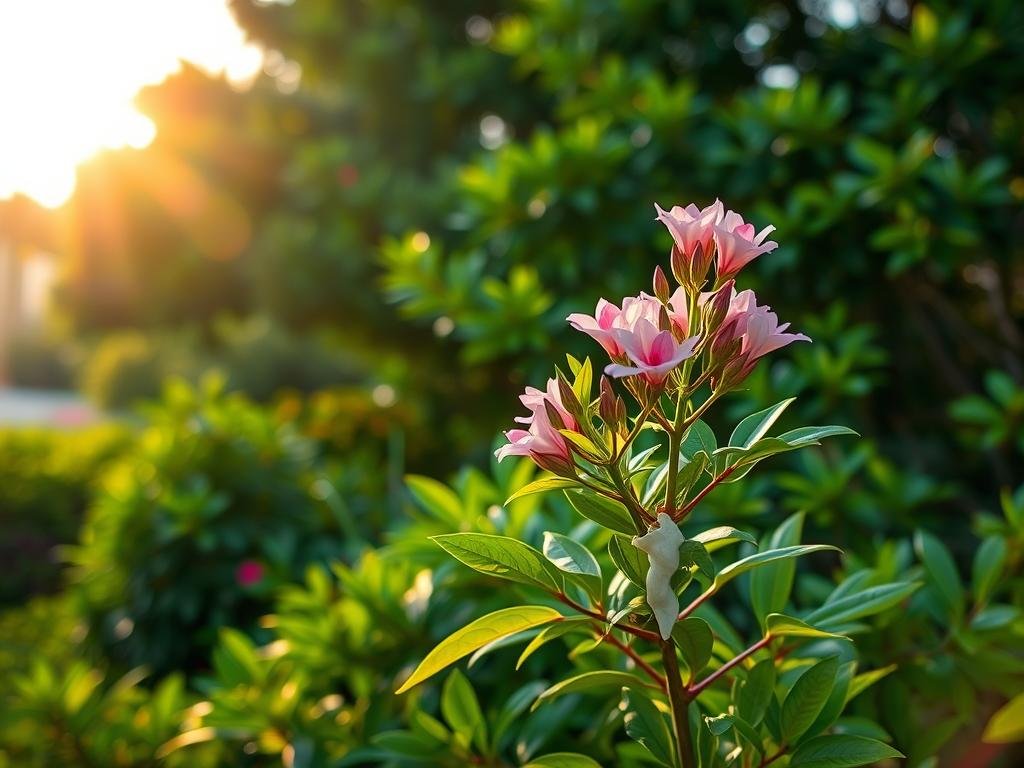
Oleander grows well in Florida, from coast to inland, because it loves heat and drought. It’s originally from the Mediterranean but now grows from Pensacola to Miami. It comes in many colors, making it popular for privacy and beauty.
All parts of oleander have toxic compounds. The sap can irritate skin and harm the heart if eaten. It’s dangerous if kids chew leaves, pets eat flowers, or if you stir food with pruned sticks.
Smoke from burning oleander can hurt your eyes and lungs. Even tea or honey made from its flowers can cause problems. If you think someone has been poisoned, get medical help fast.
When working with oleander, wear gloves and eye protection to avoid the sap. Don’t throw cuttings in fire pits or compost them where pets can get them. While looking for dangerous berries, remember oleander’s flowers and leaves can be more dangerous.
Key identifiers include narrow, leathery leaves in whorls of two or three, a dense branching habit, and clusters of five-petaled blooms through warm months.
| Feature | What to Look For | Common Exposure Scenarios | Immediate Actions |
|---|---|---|---|
| Leaves and Sap | Narrow, leathery leaves; milky latex when cut | Pruning without gloves; sap contacting skin or eyes | Rinse skin and eyes with water; wash hands and tools |
| Flowers and Pods | Showy clusters; seed pods form after bloom | Children or pets chewing blooms or pods | Remove material from mouth; contact a poison center |
| Smoke and Fumes | Burning trimmings release irritants | Eye, throat, and lung irritation while burning yard waste | Move to fresh air; seek care if breathing issues continue |
| Food Contamination | Cut branches used as skewers or stir sticks | Cooking over campfires or grills with green oleander wood | Discard food; monitor for nausea, dizziness, or palpitations |
| Pets and Livestock | Access to clippings or fallen leaves | Grazing animals, dogs, and goats eating yard waste | Call a veterinarian immediately; provide exposure details |
Gloriosa lily (Gloriosa superba): tubers and colchicine concerns
Gloriosa lily is a common sight in Florida yards and trails. It climbs with curling leaf tips and shows vivid, bicolored blooms. It’s one of the poisonous plants in Florida that can spread, so it needs careful handling and smart placement.
Garden escapee with bicolored flowers and tendrils
This vine, native to Africa and Asia, often slips into thickets and dunes after storms or yard waste dumping. Its flowers change from yellow to red or orange with age. The leaf tips form tendrils for support.
The underground rhizomes are tuberlike and can resprout from fragments. This trait helps it spread among toxic plants in Florida.
All parts contain toxins, but the rhizomes hold the highest levels. Gardeners should keep pets from digging beds and avoid moving soil that may hide broken pieces. These steps also help reduce exposure to dangerous berries in mixed plantings.
Colchicine symptoms and onset timeline
Ingested colchicine usually triggers symptoms within two to six hours. Early signs include nausea, vomiting, and diarrhea. Later, dehydration and weakness may occur.
Severe cases can affect the liver, kidneys, and blood cells. This is why rapid medical care is essential.
Skin breaks can allow sap contact to irritate wounds. Gloves and clean tools matter when dividing clumps. Such habits are basic for anyone managing poisonous plants in warm, sandy soils.
Other “lilies” common in Florida that can be toxic to pets and people
Several popular bulbs and rhizomes share risk profiles. Amaryllis, daylilies, rain lilies, Easter lilies, blood lilies, hurricane lilies, crinum lilies, and clivia (Natal lilies) contain alkaloids or irritants. Dogs and cats may chew leaves or bulbs, and children may handle seed pods near dangerous berries in mixed borders.
Secure storage during planting, blocked access after storms, and labeled beds help families navigate toxic plants in Florida with more confidence.
| Plant | Main Risk Part | Key Toxin or Concern | Typical Onset | Common Signs |
|---|---|---|---|---|
| Gloriosa lily (Gloriosa superba) | Rhizomes (tuberlike stems) | Colchicine | 2–6 hours post-ingestion | GI distress, dehydration, multi-organ effects |
| Amaryllis (Hippeastrum) | Bulbs | Lycorine alkaloids | Within hours | Nausea, vomiting, drooling in pets |
| Daylily (Hemerocallis) | Leaves, flowers | Species-dependent toxins | Within hours | Cat kidney issues, GI upset |
| Easter lily (Lilium longiflorum) | All parts | Cat nephrotoxins | 6–12 hours | Vomiting, lethargy, acute kidney injury |
| Crinum lily (Crinum species) | Bulbs, leaves | Crinine-type alkaloids | Within hours | Salivation, abdominal pain |
King sago (Cycas revoluta) and related cycads: severe risk to dogs
King sago is a common sight in Florida yards and patios. It’s not a true palm but has stiff fronds that might confuse people. It’s often at the top of lists of poisonous plants in Florida because pets are curious about its cones.
Indoors or outdoors, vigilance matters. This plant can grow in containers and landscapes. It can even spread to nearby lots. Families should also watch for the bright seeds that fall from mature plants.
Seeds with bright orange covering and peak toxicity
The seeds are about one to two inches long and have a thin, bright reddish-orange coat. Dogs often chew on or swallow them. Among Florida’s poisonous plants, these seeds are a major hazard, with the highest toxin load when cones ripen.
Gardeners should pick up fallen seeds quickly. Wearing gloves and sealing trash in airtight bags helps keep pets safe. This simple action reduces a big risk found among Florida’s deadly plants.
Compounds BMAA and cycasin: acute and chronic effects
Cycasin can harm the liver, causing vomiting, lethargy, seizures, and shock. BMAA is a neurotoxin linked to long-term risks. Quick vet care is key after any bite or chew.
Repeated exposure can lead to cancer and neurodegeneration. These effects make cycads as deadly as other plants in Florida, even though they look safe.
Lookalikes: cardboard palm and native coontie pose similar risks
Cardboard palm (Zamia furfuracea) and native coontie (Zamia integrifolia) are common in Florida. Their cones and seeds can harm pets just like King sago. People who watch out for dangerous berries in Florida should be cautious with these cycads too.
Removing cones, fencing off plants during seed set, and keeping dogs on leash near landscaped areas can help. These steps reduce poisoning risks while allowing these plants to be part of a yard’s design.
Spotted water hemlock (Cicuta maculata): one of North America’s most poisonous natives
Spotted water hemlock, also called spotted cowbane, is very dangerous in Florida. It has purple-streaked stems and white flower clusters. It’s a big concern because it can be mistaken for safe plants.
Wet-site habitats in Florida: swamps, ditches, and riverbanks
It grows in wet places. You can find it in swamps, marshes, and by rivers. It can even grow in lawns or near homes in wet years.
Deadly root concentrations of cicutoxin
The roots are the most toxic part. Damage to the roots can release a yellow sap. Even a small amount can cause serious problems.
Misidentification with wild carrot or parsnip
It’s often mistaken for wild carrot or parsnip. But, it has hollow, purple stems and swollen roots. If unsure, don’t touch it. This mistake can also happen with wild berries in Florida.
Rapid-onset convulsions and respiratory failure
Eating it can cause mouth tingling and vomiting quickly. It can lead to seizures and breathing problems. If you think you’ve been poisoned, get help right away.
| Feature | Spotted Water Hemlock (Cicuta maculata) | Common Lookalike (Queen Anne’s Lace / Wild Carrot) | Risk Note |
|---|---|---|---|
| Stem | Purple-mottled, often hollow | Green, ridged, usually solid | Hollow, streaked stems signal danger in poisonous plants florida |
| Root | Swollen, chambered crown with oily sap | Thin, carrot-like taproot, aromatic | Root architecture is the key clue; errors link to wild berries toxicity florida mix-ups nearby |
| Flowers | White umbels without a dark center floret | White umbels often with a single dark central floret | Check umbels closely before any foraging |
| Habitat | Swamps, marshes, ditches, riverbanks | Dry to moderately moist disturbed sites | Wet habitats in Florida raise the odds of encountering deadly plants in florida |
| Toxin | Cicutoxin (highest in roots) | Nontoxic edible species when confirmed | Even a small dose can cause seizures and respiratory arrest |
Avoid harvesting unknown umbel plants in wet ground. The cost of a mistake is high, and identification must be certain.
Other dangerous ornamentals and invasives to recognize
Florida’s yards and trails have plants that look nice but are toxic. Some have fruit that looks good but is dangerous. Knowing what to look for can help avoid accidents with kids or pets.
These plants are often mistaken for poisonous berries in Florida. For more information, check out this guide to poisonous plants by University of Florida scientists. It helps identify safe and unsafe plants.
Angel’s trumpet (Brugmansia): tropane alkaloids and hallucinations
Angel’s trumpet blooms in warm places and smells nice at night. It has atropine, scopolamine, and hyoscyamine in all parts. Eating it can cause hallucinations, fast heart rate, dry mouth, and confusion.
Even drinking tea made from its parts is dangerous. This adds to worries about deadly berries in Florida. But Brugmansia’s main danger is its leaves and flowers.
Dumb cane (Dieffenbachia) and caladium: calcium oxalate raphides
Dieffenbachia grows well indoors, and caladium brightens shady spots. Their sap has needle-like crystals that hurt if chewed. It can also cause drooling, swelling, and eye irritation.
Pets may vomit or lose their appetite after touching it. This is often mistaken for toxic berries in Florida. But the danger comes from the raphides, not the berries.
Chinaberry (Melia azedarach): toxic fruit and pet risks
Chinaberry grows fast, creates dense shade, and drops fruit that looks like beads. All parts are poisonous, but the fruit is most dangerous for kids, dogs, and wildlife. Symptoms include vomiting, diarrhea, labored breathing, tremors, and paralysis.
Songbirds can get short-term poisoning from eating the berries. This makes foragers think they’ve found poisonous berries in Florida, even in late summer and fall.
Pokeweed (Phytolacca americana): stems, roots, and fruit dangers
Pokeweed grows in disturbed soil and by roadsides. Its toxins are highest in roots and stems, with less in ripe fruit. Eating it can cause seizures, bloody diarrhea, and trouble breathing within hours.
Old recipes that boil parts are not safe. Its purple berries add to the confusion about dangerous berries in Florida. Birds spreading seeds to yards and parks make it worse.
- Tip: Avoid tasting unknown fruit, seeds, or leaves, and teach children not to forage without an expert.
- Keep pets leashed near ornamentals with showy berries or seed pods.
- Wear gloves and eye protection when pruning sap-rich plants.
| Plant | Main toxins | Highest-risk parts | Notable symptoms |
|---|---|---|---|
| Angel’s trumpet (Brugmansia) | Tropane alkaloids (atropine, scopolamine, hyoscyamine) | Leaves, flowers, seeds | Hallucinations, tachycardia, confusion |
| Dumb cane (Dieffenbachia) | Calcium oxalate raphides | Sap, leaves, stems | Oral burning, drooling, swelling, eye irritation |
| Caladium (Caladium spp.) | Calcium oxalate raphides | Leaves, stems, sap | Oral pain, vomiting, gastric inflammation |
| Chinaberry (Melia azedarach) | Neurotoxic compounds (meliatoxins) | Berries, leaves | Vomiting, diarrhea, tremors, paralysis |
| Pokeweed (Phytolacca americana) | Triterpene saponins, lectins | Roots, stems, leaves; fruit less so | Seizures, hemorrhagic diarrhea, respiratory distress |
Many ornamentals in Florida look nice but are dangerous. Their fruits or seeds look tempting but are risky. Knowing what to look for can prevent emergencies.
Safety, identification, and prevention tips for residents and visitors
They should treat every unknown plant with caution. Never taste wild fruit or seeds unless you’re sure what they are. Some plants, like rosary pea and chinaberry, can be deadly. This is why guides warn about dangerous berries in Florida and poisonous plants in parks and yards.
Risk changes with dose and how you’re exposed. Smoke from burning oleander can irritate your airways. Drilling rosary pea seeds for crafts can release toxins. To lower risk, avoid dust, wear gloves, and wash tools well.
Children and pets are curious. They should not play near cycads with orange-coated seeds or around castor bean seed capsules. Remove or fence off high-risk shrubs. Simple signs in shared landscapes can also help avoid accidental contact with harmful berries.
Foraging is a skill, not a guess. Learning with an experienced guide reduces mistakes. Plants can pick up harmful substances, so clean sites and hands matter. Season, plant part, and stress change potency; early fruit and drought-stressed leaves can raise risk.
If exposure is suspected, call Florida Poison Control at 1-800-222-1222. Have the plant name, the part eaten, how much, when, and current symptoms. Photos or a small sample help the ER or clinic. Pet cases need urgent veterinary care, as dogs chewing cycad seeds or castor beans is dangerous.
Visitors in wet habitats should learn spotted water hemlock by its purple-streaked stems and cluster blooms. Avoid pulling umbellifer roots or greens in swamps, ditches, and riverbanks. Clear, calm choices prevent contact with poisonous plants while keeping outdoor trips fun and safe.
| Scenario | Key Risk | Immediate Action | Follow-Up |
|---|---|---|---|
| Child finds bright seeds in yard (cycads or castor bean) | High toxin dose from a few seeds; choking hazard | Remove seeds, rinse mouth, do not induce vomiting | Call 1-800-222-1222; monitor for nausea, vomiting, lethargy |
| Crafting with rosary pea beads | Aerosolized dust from drilling; skin breaks increase risk | Stop work, wash hands and tools, avoid inhaling dust | Seek medical advice if cough, sore throat, or GI upset appears |
| Yard waste fire with oleander trimmings | Irritant smoke exposure to lungs and eyes | Move upwind, extinguish fire if safe, seek fresh air | Contact poison control for eye, throat, or breathing symptoms |
| Foraging unknown “berries” along a trail | Misidentification; harmful berries florida hazards | Do not taste or handle; take photos for ID | Consult a local expert class; learn regional lookalikes |
| Dog chews orange cycad seeds | Severe liver and GI injury; rapid onset | Seek emergency veterinary care immediately | Bring seed sample; monitor hydration and behavior |
| Storm debris with mixed ornamentals | Unknown plants raise poisonous plants florida risks | Wear gloves, avoid dust, bag debris securely | Wash exposed skin; sanitize tools and work surfaces |
- Do not rely on taste tests. Identification must be 100% certain before eating any wild plant.
- Keep pets leashed near shrubs and seed pods linked to dangerous berries florida incidents.
- Store yard tools and craft supplies so children cannot access toxic seeds.
- Build a habit of photo documentation to track plants around homes and parks where wild berries toxicity florida is a concern.
Conclusion
Florida’s green spaces are stunning, but they also hide dangers. Plants like oleander, gloriosa lily, and castor bean seeds can be very harmful. They contain toxins that can cause serious health issues.
Other plants, like king sago and cycads, are dangerous for dogs. Spotted water hemlock’s roots have a fast-acting poison. Mistaking these plants for safe ones is a common mistake.
Children, seniors, pets, and livestock are at the greatest risk. Making smart choices about your yard is important. Avoid plants with bright pods that look like toxic berries.
Learn what plants are safe before touching or tasting them. This is true for trails and canal banks too.
There are steps you can take to stay safe. Don’t eat unknown plants or taste wild fruit that could be poisonous. Keep an eye on kids and pets outside.
Remove or fence off plants that are dangerous. Wear gloves when you prune. If you think someone has been poisoned, call for help right away.
With the right knowledge and precautions, you can enjoy Florida’s beauty safely. Being aware of dangers makes outdoor activities safer for everyone.
Be the first to comment