

Up to 50% of pets that eat sago palm seeds die without urgent care, the ASPCA Animal Poison Control Center warns. This makes a pretty yard plant a high-stakes hazard. Veterinarians and poison hotlines keep sounding the alarm.
The entire plant is toxic, but the bright, tempting sago palm nuts are the worst. Reports from the Pet Poison Helpline and UF/IFAS show even a small seed can cause vomiting, bloody stool, and liver injury. Children, dogs, and wildlife are drawn to the glossy red coats, raising risks in neighborhoods from Florida to California.
These Safety concerns related to Sago Palm seeds are not rare. The APCC tracks a nationwide spike in cases linked to Cycas revoluta. With no simple test to confirm exposure, time matters. Fast action—calling a veterinarian or a poison hotline—can make the difference between recovery and tragedy.
What are Sago Palms and why they’re risky in U.S. landscapes
Sago palms, also known as Cycas revoluta, resemble small palms with stiff fronds. They love the heat and can handle drought well. This makes them popular in many yards across the U.S.
People often buy sago palm seeds online, drawn by their beauty. But, safety is often overlooked. This is a big concern for families with pets and kids.
Where Sago Palms (Cycas revoluta) are found and used
In warmer areas, sago palms are common. They’re found from Miami to San Diego. In cooler places, they’re kept indoors as houseplants.
Stores like Home Depot and Lowe’s sell them all year. Boutique nurseries offer them in containers and seeds for enthusiasts.
Professionals use them to highlight entrances and pools. Homeowners place them along driveways or patios. With online availability, they’re found everywhere, not just in warm areas.
Common names: coontie palm, cardboard palm, Japanese cycad
Names can be confusing. You might see “Japanese cycad,” “coontie palm,” or “cardboard palm.” This can lead to confusion when looking for growing tips or seeds online.
Clear names help people know what they have. This knowledge ensures safer handling and placement.
Why the seeds and fronds get attention from pets and kids
The seeds are bright and stand out to kids and dogs. They look like berries and collect under the plant. The fronds are also tempting to touch.
These plants are everywhere, making it easy for pets and kids to explore them. Before planting, consider the appeal of the seeds.
All parts are toxic—seeds are the most dangerous
Every part of the cycad can harm pets and people, but not equally. Sago palm seeds are the biggest risk because they’re easy to pick up and often swallowed whole. Anyone caring for sago palm seeds or shopping at a nursery should know how exposure happens.
Seeds (nuts) vs. fronds: relative toxicity and exposure risk
The inner seed has the most potent toxins. Even a small bite can cause severe illness. Fronds and roots are harmful too, but pets are more likely to mouth or ingest the round “nuts.”
Because seeds drop in clusters at ground level, they pose the greatest risk. Owners should isolate cones, bag debris, and keep tools away from pets and kids. A nursery will often display cones above reach and remove fallen material quickly.
Bright red seed coats and why they attract animals
The vivid, glossy red coat stands out against mulch and turf. This color cues birds, wildlife, and curious dogs to investigate. The coat itself is not the most toxic layer, but it invites chewing, exposing the inner seed.
Because sago palm seeds look like berries, children may treat them as play objects. Simple steps like prompt pickup, sealed trash, and routine yard sweeps can lower this risk without changing the plant’s look.
Male cycads and seed production considerations
Male plants produce pollen cones but do not set seeds, which cuts the household’s exposure risk. Garden centers and any sago palm seed nursery can help identify sex when plants cone, though it is not obvious on juveniles.
Homeowners who care for sago palm seeds for breeding should stage work areas away from pets and use labeled containers. Choosing known male cycads for landscapes reduces cleanup and the chance of a pet finding a fresh drop beneath the canopy.
Key toxins: cycasin and BMAA explained
Two compounds make sago palm seeds dangerous: cycasin and B-Methylamino-L-Alanine. People might look up if sago palm seeds are edible, but they’re not. These toxins work quickly, posing risks to homes with pets and kids.
How cycasin affects the liver and has neuro links
Cycasin breaks down into a powerful compound that harms the liver. It messes with proteins, glucose, and blood clotting. Some studies link it to brain diseases, making a single seed risky.
Its effects spread through the body, causing stomach issues and liver problems. This is why handling sago palm seed debris is so important.
What B-Methylamino-L-Alanine (BMAA) can do
BMAA messes with brain signals and can damage neurons. Severe cases might lead to tremors, seizures, or coma. Together with cycasin, it explains why sago palm seeds can harm multiple organs.
Even small amounts can be dangerous. This debunks myths that small tastes are safe and that sago palm seeds are edible.
Why even small amounts can be life-threatening
The toxins in the seed are concentrated, making a small dose very potent. Pets or children eating one seed can show symptoms quickly. That’s why experts advise storing and cleaning up sago palm seeds carefully.
These toxins act fast, are very potent, and target the liver and brain. This is why experts warn about the dangers of sago palm seeds, whether found outside or used in crafts or planting.
Clinical signs of poisoning to watch for
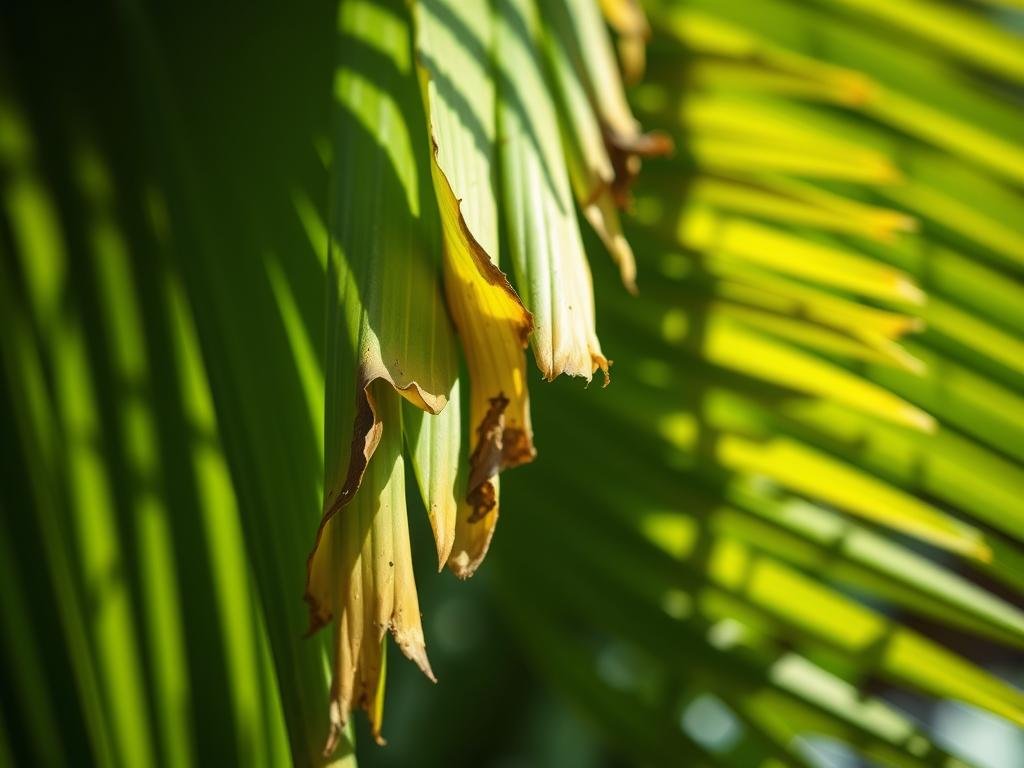
They may look like ornamental treasures, yet the first hints of trouble are often subtle. Anyone growing cycads for sago palm seed propagation, or following sago palm care instructions, should recognize early changes and act fast.
Early GI signs: vomiting, lethargy, bloody stool
Warning signs can appear within minutes to a few hours. Dogs and cats may drool, refuse food, or vomit—sometimes with blood. Diarrhea can be watery or streaked with red or black. Lethargy often follows as fluids are lost and pain mounts.
These symptoms align with the initial phase described in veterinary guidance on sago palm poisoning. During this window, prompt care can limit absorption and reduce risk.
Liver injury timeline: 48–72 hours and beyond
Within 48–72 hours, the liver can falter. Pets may drink and urinate more, show abdominal swelling, or develop yellow gums and eyes. Dark urine, black-tarry stool, and bruising suggest clotting problems progressing.
Even with supportive therapy, liver enzyme spikes may persist for days or weeks. For households engaged in sago palm seed propagation, pairing caution with clear sago palm care instructions helps keep animals away from seeds and plant debris.
Neurologic signs: tremors, seizures, wobbly gait
As toxins circulate, weakness can turn into a wobbly gait. Tremors may start intermittently, then intensify. Seizures are a medical emergency and often track with worsening liver function and low blood sugar.
Collapse or coma can follow in severe cases. These changes reflect systemic injury and require urgent, continuous monitoring.
Severe outcomes: hemorrhagic gastroenteritis, clotting issues, jaundice
Unchecked exposure can lead to hemorrhagic gastroenteritis with profuse blood loss. Coagulopathy may produce nosebleeds, gum bleeding, or bloody urine. Advanced jaundice and intense abdominal pain signal deep liver damage.
Because only about half of affected dogs survive without immediate intervention, prevention is key. Keep seeds out of reach, secure yard waste, and elevate awareness during any sago palm seed propagation while following practical sago palm care instructions.
Risks to dogs, cats, kids, and wildlife
In many U.S. neighborhoods, cycads are common near walkways and play areas. Their shiny seeds catch the eye, making them popular as decorations. Online listings for sago palm seeds and seedlings add to their widespread presence.
Why pets are frequently exposed
Dogs sniff and chew on things, and the red seeds look like treats. Cats may play with fallen seeds, then swallow plant bits while grooming. With more people buying sago palm seedlings, pets are at risk indoors and outdoors.
Emergency rooms get many calls about pets eating sago palm seeds. Even a small amount can upset a pet’s stomach quickly. Pet owners might not see the danger until their pet eats a seed.
Considerations for households with young children
The bright seeds are at a child’s eye level. Toddlers often put things in their mouths, and seeds fall in play areas. Families with sago palm seedlings near entryways put the plant within reach.
Caregivers should treat fallen seeds as choking hazards. Regular yard checks and covered planters can help. Clear labels on pots help others recognize the plant and watch for stray seeds.
Wildlife attraction and yard ecology
Birds, squirrels, and other animals are attracted to the bright seeds. Seeds can roll away after storms or yard work, spreading beyond fences. Homeowners who buy sago palm seeds for landscaping may attract wildlife to forage.
More plants mean more seeds. Replacing seed-bearing plants with non-toxic ones can help. Carefully placed sago palm seedlings that don’t produce seeds can also reduce the risk.
How poisoning is diagnosed and treated
Rapid action is key. Veterinarians quickly gather information about what the pet did and how it looks. They focus on making the pet stable first, then worry about the plant details later.
History, plant remnants, and clinical signs
Diagnosis begins with a timeline of when the pet ate the plant and how much. They look for signs like vomiting or weakness. They also check the yard for plant parts.
Owners who grow sago palms can help by bringing evidence like seed coats or photos. This helps doctors act quickly.
Bloodwork: liver enzymes, dehydration, clotting tests
First, they check for dehydration and rising liver enzymes. They also test for clotting problems. These tests show how severe the poisoning is.
They then check these values again over 48–72 hours. This helps them adjust treatment as needed.
Decontamination, liver support, and monitoring
For recent poisoning, they may decontaminate and use activated charcoal. They also give IV fluids and liver support.
They watch for signs like tremors or seizures. Pets from homes with sago palms get the same care, based on how they respond.
Prognosis factors and the importance of early care
How well the pet does depends on how fast they get help. Early care means better chances of recovery. Delayed care can lead to serious problems.
After discharge, they check if the pet’s health has improved. This helps set a safe plan for their recovery at home.
Emergency steps if exposure is suspected
Act fast if a pet or child chews a sago or cardboard palm. Move them away from the plant and secure the area. Gather any fallen seeds or fronds. Knowing how toxic these plants are can save lives.
Immediate actions before reaching the vet
Rinse the mouth gently with water and remove visible plant bits. Do not make them vomit unless a vet tells you to. Keep them calm and save any plant pieces in a bag for vet identification.
If exposure happened after buying, note where you bought the plant. This info helps vets assess the risk faster.
Who to call: veterinarian, ASPCA APCC (888-426-4435), Pet Poison Helpline (800-213-6680)
Call your vet right away. If they’re not available, reach out to the ASPCA Animal Poison Control Center at 888-426-4435 or Pet Poison Helpline at 800-213-6680. They offer 24/7 help. Stay on the line and follow their advice for decontamination and transport.
Have someone else drive if you can. Early advice from toxicology services is key for urgent care on the way to the clinic.
What information to have ready for toxicology support
- Plant ID: Sago Palm (Cycas revoluta) or Cardboard Palm (Zamia furfuracea).
- Part and amount: number of seeds, pieces of fronds, or size of the bite.
- Timing: the exact time exposure happened and when signs began, if any.
- Current signs: vomiting, diarrhea, lethargy, tremors, seizures, jaundice.
- Patient info: species, breed, weight, age, medications, prior health issues.
- Evidence: photos and any saved plant remnants for confirmation.
Share where the plant came from, if bought online or through searches. This helps experts quickly assess the situation.
Cardboard Palms: the “sister” species with the same toxins
Cardboard Palms are common in warm parts of the United States. They seem harmless but have the same toxins as Sago Palms. People might look to buy sago palm seeds or find sago palm seed suppliers without knowing the danger.
Why Zamia furfuracea poses identical risks
Zamia furfuracea contains cycasin and other toxins that harm the liver and brain. It has no safe parts for chewing or playing. Its red seeds attract wildlife and pets, just like Sago Palms.
Experts say symptoms like vomiting and tremors can appear quickly. So, treating yards with these plants as if they had Sago Palms is wise. Anyone looking to buy sago palm seeds or compare suppliers should consider this before planting.
How to identify and remove safely from properties
Cardboard Palms have a low, rounded crown. Their leaflets are stiff and feel like cardboard. Each frond is neatly arranged around a short trunk.
When removing, wear gloves and eye protection. Bag all parts before throwing them away. Keep pets and kids inside until all pieces are gone. Landscapers should confirm plant IDs and plan for full cleanup to prevent access.
Nursery and garden-center availability concerns
Big-box stores and local nurseries often sell Cardboard Palms with cycads labeled as “sago.” Labels can be unclear, and staff might use common names. This can lead to confusion when families make quick purchases.
Before buying sago palm seeds or choosing plants, ask for the botanical name. Check for stiff, cardboard-like leaflets. Clear identification at the point of sale helps avoid bringing toxic plants into pet-friendly yards.
Prevention: safer landscaping and home strategies
Safety begins before planting. Homeowners can reduce risks by removing seed sources and fencing off cycads. Choosing safer plants is also key. If cycads are present, following sago palm care instructions and staying alert during storms is essential.
Removing seed-producing cycads and timing
Remove cycads before they produce cones. Cut and bag cones early, then dig out the crown and main roots. Late winter or early spring is the best time for removal to limit seed spread.
When immediate removal is not possible, use sturdy barriers and post warnings. Follow local yard-waste rules to prevent seeds from entering compost streams.
Choosing male cycads vs. replacing with safe alternatives
Male cycads reduce seed risks but can drop sharp fronds and cones. Many families choose non-toxic alternatives like dwarf palmetto or native ferns. Nurseries can help verify the sex of cycads before purchase.
Those interested in sago palm seed propagation should be cautious. A sago palm seed nursery may sell viable seeds, but homes with pets or kids should avoid them.
Yard management when pets and kids are present
Keep play zones and dog runs away from cycads. Use tall planters or fences to block access. Rake daily during cone season and after heavy winds.
Store tools, cones, and fronds in sealed bins. Pet doors should not open to areas with cycads. Evening checks help catch fresh drops before dawn wildlife activity.
Disposal practices for seeds and plant debris
Collect seeds with thick gloves and place them in double-bagged, sealed trash. Remove from the property the same day. Do not chip, compost, or burn debris. Wash hands and tools after handling.
If temporary storage is needed, use a locking container kept off the ground. Even with proper sago palm seed propagation guidelines, do not leave seeds exposed outdoors at any time.
Shopping cautions: “sago palm seeds edible,” “buy sago palm seeds,” and related searches
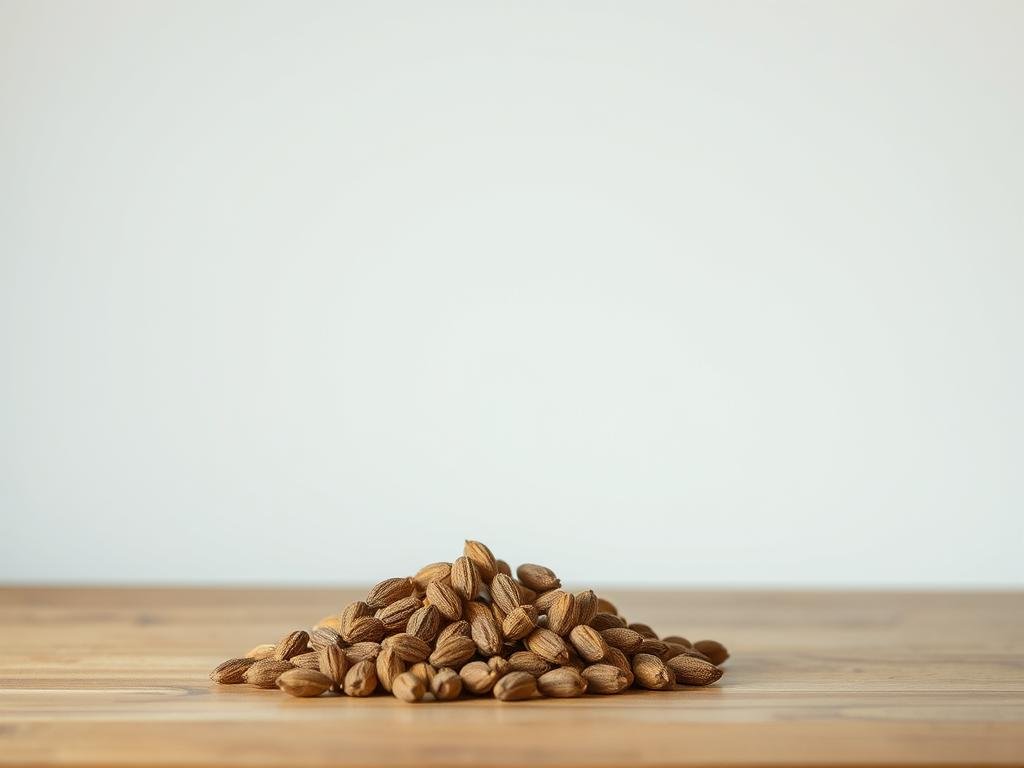
Search trends can be misleading. People looking for sago palm seeds edible or where to buy sago palm seeds might not see safety warnings right away. This section will explain the dangers, how to read listings, and safer options before adding cycads to your yard.
Why “sago palm seeds edible” is dangerous misinformation
The idea that sago palm seeds are edible is not true. These seeds contain toxic compounds that can be harmful even in small amounts. Families looking online or comparing prices should be cautious of any claims that suggest they are safe to eat.
When searching for where to buy sago palm seeds, people often find generic marketplaces. These listings might be brief and lack important warnings. This can be risky for homes with pets and children.
Ethical sourcing and safety warnings for sago palm seeds for sale
Responsible sellers clearly state the dangers of sago palm seeds. They avoid using terms like sago palm seeds edible and never suggest they are safe to taste. They also provide photos of the red seed coat and warn about the dangers of ingestion.
Before making a purchase, shoppers should compare product pages for safety information, storage tips, and disposal instructions. If safety information is missing, it’s best to look elsewhere.
Safer choices: sago palm seedlings, sago palm care instructions, and non-toxic alternatives
Those interested in cycads can opt for nursery-raised seedlings with clear warnings and care guides. Many buyers choose seedlings over loose seeds to avoid handling them. Others prefer non-toxic plants with similar looks.
For those who want the look without the risk, ask a nursery about male plants and safe placement. Practical care tips can also help keep pets and children safe.
Guidance on sago palm seed suppliers, seed nurseries, and online listings
Reputable suppliers and nurseries list the scientific name, note the toxicity, and provide contact details for questions. When comparing seeds to seedlings, ask for verification of species and safety warnings in writing.
When searching for where to buy sago palm seeds, choose sellers who clearly label hazards and provide storage advice. If a listing suggests that sago palm seeds are edible, do not buy and report the claim to the marketplace.
Conclusion
Sago Palm poisonings are on the rise in the United States. They pose a danger to pets, children, and wildlife. All parts of the plant are toxic, but seeds are the most dangerous.
Bright red seeds grab attention. Even one seed can cause quick vomiting and liver damage in 48–72 hours. Cardboard Palms also pose risks, with cycasin and BMAA causing liver and brain damage.
There’s no one test to confirm exposure. Vets use history, plant material, and bloodwork to help. Early treatment and liver support can save lives, but deaths can happen.
If you think your pet or child has ingested a sago palm seed, act fast. Call a vet, the ASPCA Animal Poison Control Center at 888-426-4435, or Pet Poison Helpline at 800-213-6680.
Prevention starts at home and in the yard. Remove or contain seed-bearing cycads. Choose male plants and clean up fallen debris before it’s found by pets or kids.
UF/IFAS recommends checking your yard often during seed drop. The plants you choose are important.
For those who love cycads, safe planning is key. Choose non-toxic plants and keep sago palm seeds away from pets and kids. Follow safety-first growing tips for sago palms.
Small steps today can prevent emergencies tomorrow. They protect your whole family.
Be the first to comment