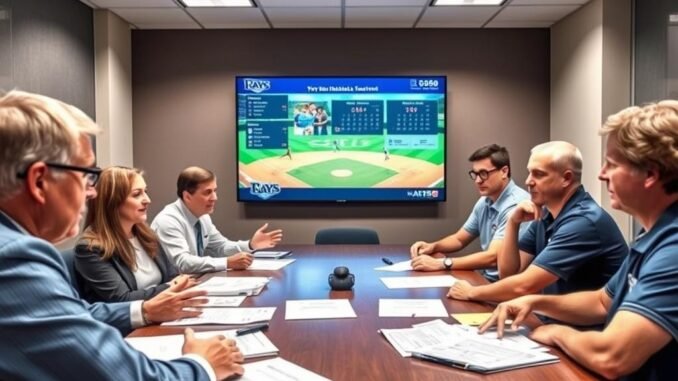

From 2020 to now, the Tampa Bay Rays have made it to October three times. They did this despite having one of the lowest payrolls in MLB. This shows why the current offseason is so important. The moves involving Josh Lowe, Cedric Mullins, and Jake Fraley are key for the Rays’ success in the AL East.
The Rays are starting fresh in the outfield. They signed Cedric Mullins to a one-year deal with an option for 2027. They also traded for Jake Fraley to improve their on-base skills and speed. This leaves room for Josh Lowe to bounce back to his 2023 form, giving Kevin Cash more ways to challenge pitchers.
Reports also suggest a deal with veteran lefty Steven Matz is close. This move would help the Rays protect more innings. There’s also talk of trading Brandon Lowe, depending on the right offer.
The Rays are known for their smart management under Erik Neander and Kevin Cash. They focus on defense, base running, and matchup advantages. They aim to stay competitive in the AL East without changing their winning formula.
This offseason, the Rays are focusing on speed, defense, and platoon strategies. Expect Kevin Cash to be creative with his lineup. Josh Lowe will get a chance to shine, and Cedric Mullins and Jake Fraley will be key in close games. The Rays live for these tight margins.
Offseason headlines: Cedric Mullins and Jake Fraley join Tampa Bay’s outfield
The Rays made big moves in the offseason. They brought in Cedric Mullins and Jake Fraley to boost the outfield. These players fit Kevin Cash’s strategy of using speed and matchup skills.
What Mullins brings: elite center-field defense and speed on a short-term deal
Cedric Mullins signed a one-year deal with an option for 2027. This move shows the Rays are looking for upside without committing long-term. Mullins is known for his quick reflexes and strong throws from center field.
He’s also great at baserunning, which helps the team’s focus on preventing runs. His speed adds pressure in late innings, turning singles into threats.
How Fraley fits: left-handed on-base skills and platoon versatility
Jake Fraley brings a left-handed bat that excels against right-handed pitchers. He’s good at working counts and hitting line drives. This makes him a great fit for the Rays’ platoon system.
In the outfield, Fraley can play both corners and DH when needed. His skills add depth to the lineup without forcing him into one role.
Impact on lineup balance and baserunning pressure
The addition of Mullins and Fraley improves the offense’s contact and baserunning. Mullins’ speed and Fraley’s patience create a balanced lineup. This balance enhances the team’s late-game strategy.
There’s talk of Josh Lowe’s comeback adding more depth. But for now, Mullins and Fraley bring speed, balance, and coverage to the outfield.
Josh Lowe’s path back: Why a 2023-level rebound could unlock the outfield’s ceiling
https://www.youtube.com/watch?v=36BI5BMSaXY
The Josh Lowe Rays story is key for Tampa Bay this spring. A fresh start, better swing choices, and more speed could boost the team. With smarter plays and support, the outfield’s ceiling is higher than before.
Context: Two down seasons after a standout 2023
Josh Lowe’s 2023 was a highlight, but the next two years were tough. He needs more consistent at-bats and fewer wild swings. If he can hit better, his speed and power will shine again, making the Rays lineup stronger.
How Mullins and Fraley additions support Lowe’s role
Cedric Mullins and Jake Fraley help Kevin Cash plan better. They let Lowe face easier pitchers, which suits his style. This approach shows the Rays’ focus on player development and building confidence.
Bench and depth implications if Lowe surges
If Lowe gets hot, the Rays can use three fast outfielders late in games. Mullins and Fraley can move around, giving Lowe a chance to shine. This depth makes the Rays’ outfield stronger and their lineup more flexible.
Erik Neander’s blueprint: Aggressive, flexible roster building continues
The Erik Neander Rays team is always ready to adapt. They look for good deals, keep options open, and have a strong bench. This approach is clear in how they manage their budget and protect future draft picks.
Strategic adds: veteran LHP Steven Matz and outfield reinforcements
The signing of Steven Matz adds a left-handed starter to the team. This fits the Rays’ strategy of using different pitchers in different roles.
Adding players like Cedric Mullins shows the Rays’ flexibility. Mullins can play center field or the corners, improving the team without limiting its future. This way, the Rays can adjust their lineup as needed.
Balancing present wins with long-term upside
The Rays focus on winning now but also invest in the future. They sign players for one year to keep room for young talent. This approach helps the team stay competitive without spending too much.
For more on how the Rays manage their outfield, listen to this podcast discussion. It talks about salaries, defense, and speed in the league.
Why a Brandon Lowe trade remains a lever the front office could pull
Trading Brandon Lowe is an option if the team needs to adjust its budget. The Rays have shown they’re willing to make moves to strengthen their team.
Such a trade would be in line with the Rays’ strategy. They sell high, move players around, and give young players a chance to shine. This approach has helped the Rays stay competitive while refreshing their roster.
| Roster Lever | Short-Term Effect | Long-Term Effect | Rays Fit |
|---|---|---|---|
| Steven Matz Rays addition | Lefty innings, matchup flexibility | Protects young arms, trade optionality | Supports opener/bulk model |
| Mullins short-term deal | Premium CF defense, baserunning | Potential midseason asset value | Aligns with optionality strategy |
| Brandon Lowe trade | Payroll and role rebalance | Prospect and control years added | Classic Rays roster construction lever |
| Depth churn | Hot-hand playing time | Sustained competitiveness | Erik Neander Rays hallmark |
Kevin Cash’s influence: Managing matchups, the outfield mix, and the “Rays way”
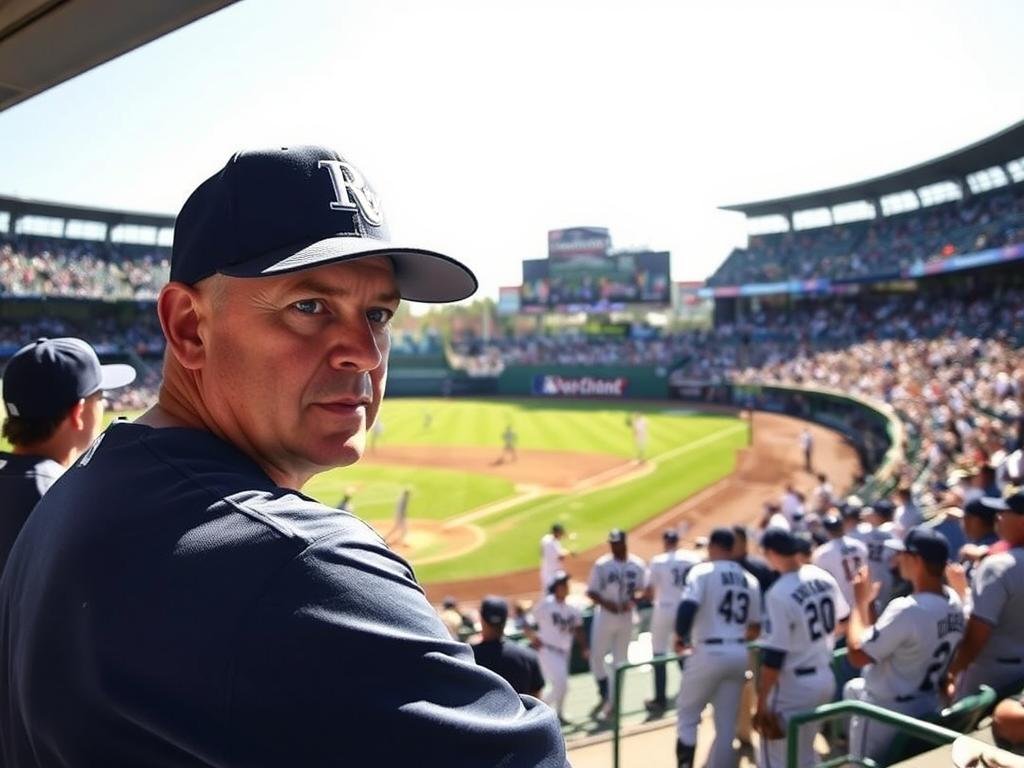
Under Kevin Cash, every decision is based on matchups. The team uses coaching to turn depth into wins. The outfield is a key area, with Cedric Mullins and Jake Fraley playing key roles.
Cash’s track record developing and deploying position-player depth
Kevin Cash has focused on flexibility and trust in the Rays. Veterans and rookies have clear roles. This approach helps the team stay competitive, even on tough days.
Before games, Cash plans out the lineup. He maps out pinch-hitting spots, defensive changes, and late-game strategies. This reduces empty swings and improves defense.
Optimizing platoons with Mullins/Fraley while keeping Josh Lowe hot
Mullins and Fraley form a strong platoon in the outfield. Mullins excels in center, while Fraley is great against right-handed pitchers. This setup allows Josh Lowe to focus on his strengths.
When the game changes, Cash’s plan adapts quickly. Lowe can move to DH or the corners, and Mullins stays in to use his speed. Fraley switches with a right-handed bat. The coaching ensures these moves are executed well.
Baserunning aggressiveness and defensive alignment trends
The Rays are aggressive on the basepaths but smart. Mullins’ speed creates opportunities for extra bases. This pressure leads to mistakes and small advantages.
The Rays’ defense focuses on precise positioning. Mullins’ range in center allows others to play deeper. The team uses data and instinct to make smart defensive plays.
Rotation and bullpen snapshot after the Steven Matz agreement
Tampa Bay’s pitching staff gets a boost with Steven Matz on board. The team plans to mix traditional starts with smart workload management. This approach strengthens the Rays’ pitching strategy, focusing on depth and smart matchups.
Where Matz slots and how bulk innings are covered
Matz can start a game or follow an opener for more innings. This flexibility helps the team handle injuries and protect young pitchers. It also keeps relievers ready for key moments.
His ability to throw changeups and curves is great for longer games. But, he can also pitch in shorter games when the opposing team has a lot of right-handed hitters. This balance helps prevent runs and keeps the team competitive when the schedule gets tight.
Openers and matchup leverage remain in play
The Rays will keep using openers to gain advantages and shorten tough innings. Pairing an opener with Matz can change the game’s flow. This helps the bullpen face easier situations late in the game.
This strategy keeps top relievers fresh and increases pressure on the opposing team. It’s a key part of the Rays’ pitching plan, helping them face tough opponents in the AL East.
How improved outfield defense supports run prevention
Cedric Mullins in center and Jake Fraley in the corners mean more outs. If Josh Lowe gets back to form, the team will be even better at preventing runs.
Better defense means fewer pitches for the starters and bullpen. This lets the rotation attack earlier and feel confident in their defense.
| Staff Element | Primary Role | Tactical Benefit | Effect on Run Prevention |
|---|---|---|---|
| Steven Matz | Starter/Bulk | Platoon flexibility; order turns managed | Fewer long innings; softer contact targeted |
| Rays openers | First-inning specialists | Front-load matchups; quick hooks | Limits early damage; cleaner bridge to bulk |
| Rays bullpen | Leverage and finish | High-velocity pairs with sliders and splitters | Strand rate improves; late-game control |
| Outfield defense | Mullins, Fraley, Lowe | Range and reads in alleys | Extra outs secured; BABIP pressure reduced |
| Rays pitching strategy | Hybrid usage | Mix of starters, bulk, and openers | Stable run environment across series |
Schedule and fan watch: when is the next Rays game
Fans can find out when the next Rays game is by checking the official listings. These lists include confirmed dates, start times, and broadcast details. The Rays’ schedule changes in 2025, with games at George M. Steinbrenner Field in Tampa before moving to Tropicana Field.
Looking ahead, fans can explore ticket options for Rays games. They can compare different sections, fees, and resale trends. For example, tickets for a preseason game against the Braves in Charlotte Sports Park start at $19.
For last-minute plans, set alerts for the Rays schedule. This way, you won’t miss any changes due to TV or weather. Checking just before the game helps secure tickets at a good price. It also makes getting to the game easier.
Quick tip: Make sure to check the venue on the listing, even in 2025. This ensures you get seats for the right ballpark.
Stadium and operations update: progress toward the new ballpark and 2025 plans
The club’s venue roadmap is key to game-day planning in Tampa Bay. Rays operations plan travel, staffing, and fan access for both short-term and long-term goals. These goals include the Rays new ballpark and the Rays 2025 stadium plan.
Temporary 2025 home at George M. Steinbrenner Field
In 2025, the team will play at George M. Steinbrenner Field. This move will make it easier for Tampa fans to get to games. It also simplifies the transition from spring training to the regular season.
The team is getting ready for the new venue by upgrading the bullpen, broadcast areas, and clubhouses. These upgrades will help the team perform better and make the game-day experience smoother.
Tropicana Field timeline and future move plans
Tropicana Field has been the home of the Rays from 1998 to 2024. It will reopen in 2026 as the redevelopment is completed. The goal is to move to a new ballpark in 2029, keeping St. Petersburg as the Rays’ home.
This timeline allows for a smooth transition from the old to the new stadium. It also gives construction teams time to work on the new ballpark. The Rays are planning every step carefully to ensure a seamless move.
What the venue shift means for players and fans
Players will have shorter travel times and a more consistent routine at George M. Steinbrenner Field. This could help them recover faster and plan better. Fans will see new entry points, earlier gate times, and different seating arrangements.
Communication is key for everyone involved. The Rays will share updates on Tropicana Field, the transition, and any service changes. This will help everyone stay informed and excited for the new ballpark.
AL East landscape: how Tampa Bay stacks up after winter movement
Tampa Bay is ready for spring with a tight race in the AL East. They’ve added speed and defense in center field. Now, they need to turn that into wins in a balanced schedule.
Recent divisional finishes and competitive context
Last season, Tampa Bay finished 77–85 (.475), 17 games behind. Toronto and the New York Yankees were close, with Boston and Baltimore trailing. This gap is what Tampa Bay aims to close.
The Rays have a strong history. They’ve won division titles in 2008, 2010, 2020, and 2021. They’ve also won AL pennants in 2008 and 2020. Their goal is to make small gains that add up over 162 games.
Pathways back to October behind defense and contact quality
Defense is key for Tampa Bay. With Cedric Mullins in center, they aim to reduce extra bases and shrink alleys. This will help pitchers and improve contact quality.
Using platoons keeps bats sharp and pressure on. This strategy helps even when power is down. It opens the door for the Rays to make the playoffs.
Key swing factors: health, depth, and player development
Health is critical in tight races. Having healthy players lets the team make the most of matchups. Depth helps absorb shortfalls and keeps production steady.
Player development is the key to success. When new talent arrives, the bullpen and lineup get stronger. This is how the Rays stay competitive without overspending.
Keyword corner: rays beyond baseball (sun rays, light rays, x-rays, gamma rays)
The Tampa Bay Rays chose the sunburst for a reason. It’s a nod to the sun rays that light up games at Tropicana Field. It also honors the manta ray that inspired their early look. This mix of light and sea tells their story.
In scouting rooms, they seek clarity like light rays through a lens. They use data to cut through the noise. This way, small details become clear. Coaches talk about angles and jumps that make things look simple.
Analysts often joke about x-rays to see what’s hidden. They look at bat speed and swing paths to find hidden value. When a player surprises, it’s like an image coming into focus.
Gamma rays and cosmic rays are like the Rays’ short waves with big impact. They turn small improvements into big wins. A better route or a timely steal can build pressure.
Fans have caught on to this theme for years. On sunny days, they show their support with signs and shirts. The Rays embrace this, from their colors to pregame features that connect baseball to Florida’s skies.
Each beam—sun rays, light rays, x-rays, gamma rays, even cosmic rays—shows a different side of the Rays. They are bright, precise, revealing, and powerful.
Beach and bay vibes: ocean rays, manta rays, stingrays—and how Tampa Bay embraces its identity

Tampa Bay culture shines from the beach to the ballpark. The Rays brand mixes sea life with sunshine. It invites fans to imagine ocean rays in the Gulf and beach rays at dusk.
From Devil Rays to Rays: brand evolution and meaning
The team started in 1998 as the Tampa Bay Devil Rays. In 2008, it became the Tampa Bay Rays. This change honored manta rays and the sunny region.
The manta ray patch and the sunburst on the jersey show this dual identity. They keep stingrays in the story while making the Rays brand modern and fitting for Tampa Bay.
Community and coastal culture around the club
Weekend games are like beach meetups. Families talk about tides and fishing while cheering. Marine themes are everywhere, from cleanups to art nights celebrating ocean rays.
Rivalries with the Yankees and Red Sox add excitement. The vibe is Florida—sun, surf, and stingrays—around loud, focused baseball.
Fun tech tie-in: ray tracing and x-ray vision as metaphors for scouting
In the front office, analysts seek clarity like graphics engineers. Scouts aim for x-ray vision to understand mechanics and growth.
This approach supports the Rays’ smart roster moves. It’s like manta rays sweeping wide and beach rays showing sand patterns. It’s patient, precise, and tuned to Tampa Bay culture.
Conclusion
This Rays roundup wraps up a busy winter with a clear plan. Cedric Mullins joins on a one-year deal with an option for 2027. Jake Fraley brings left-handed skills for platoon balance, and Steven Matz adds depth to the staff.
This move aligns with Erik Neander and Kevin Cash’s strategy. They focus on matchups, defense, and depth. The team bets on speed, run prevention, and smart usage for a steady outlook.
Local reports highlight a key factor: Josh Lowe’s return to 2023 form. This could boost the outfield’s ceiling. It could also ease pressure on the lineup and keep platoons sharp.
A Brandon Lowe trade is also on the table. The front office might pull the trigger if the value is right. These moves show flexibility without losing the team’s core identity.
The team plans to play at George M. Steinbrenner Field in 2025. Tropicana Field will host games in 2026. The goal is to have a new stadium by 2029.
This timeline influences roster choices and fan habits. But the message remains the same: win today, build for tomorrow, and keep options open for 2025.
In the tough AL East, defense, contact quality, and bullpen leverage are key. These elements fueled titles in 2008, 2010, 2020, and 2021. They also led to pennants in 2008 and 2020.
As the season begins, the Rays are ready. The roles are defined, and the focus is on execution. From spring training to the late summer, the Rays’ work will show on the field.
Be the first to comment