
One in three pet owners delay vet visits because of fear. Cats are at the top of this list. This Section 1 aims to make handling a fractious animal easier and safer for everyone.
A fractious cat is one that shows a lot of resistance or aggression when handled. This is often due to fear or pain. Our goal is simple: reduce triggers, use the least amount of restraint, and pair calm handling with rewards.
This guide combines clinic playbooks and behavior science. It teaches how to handle difficult cats with quiet rooms, traction mats, and steady treat delivery. It also explains why using minimal restraint is better than full-body holds, and how planned breaks can reduce vocalization and risk.
For hands-on steps, see this concise overview of managing fractious cats used by many hospitals.
Owners will learn to spot early signs of feline aggression and cat behavior problems. They will also learn to use tools like desensitization, counterconditioning, and reinforcement. Teams will know when to use muzzles, cones, or sedation, and how to schedule direct-to-room entries to avoid lobby stress.
Read on for clear, vet-approved tactics that make handling a fractious cat safer. These steps are perfect for busy clinics and caring homes alike.
Understanding stress, fear, and aggression in veterinary settings
Clinics can make pets nervous. Sights, smells, and being held can upset even the calmest animals. This can make a cat or dog feel scared and defensive.
For a fractious cat, the exam room is a scary place. It’s tight and unpredictable. This makes their behavior worse. Having a plan for handling them safely is important.
Why negative clinic experiences escalate fear and aggressive behavior
Pets learn quickly. A harsh grip or a loud noise can make them associate the clinic with danger. This memory can make them defensive next time.
Aggressive behavior can start with one bad visit. It can grow with each visit. This makes a cat avoid touch and struggle, risking injury to itself and others.
This behavior can also affect the carrier, car, or lobby. Owners face more challenges when dealing with aggressive cats. Small stressors can trigger big reactions.
Health impacts of stress: cortisol, immune function, and recovery
Stress affects the whole body. High cortisol levels can weaken the immune system and slow healing. This can make a sick pet’s recovery longer.
Keeping a pet calm and following routines can help. When they are less stressed, they are easier to care for. This makes it easier to diagnose and treat them.
Common triggers during exams: head handling, paws, hind legs, and lymph nodes
Some touches can upset pets. Head exams, ear checks, and paw squeezes can make them nervous. Touching their hind legs or lymph nodes can feel too much.
Breaking tasks into smaller steps helps. Rewarding them for calm behavior and stopping early can prevent aggression. This approach helps pets today and reduces aggression in the future.
Pre-visit planning to lower anxiety and improve safety
Calm starts before the car door shuts. Owners who share clear details help teams prepare gentle exams, lighter restraint, and steady treat delivery. This pre-game plan is vital for calming anxious cats and handling difficult cats without raising risk.
Notify the clinic about stress, lobby triggers, and vet gender preferences
Call or email the clinic with a short behavior note. Include lobby triggers like barking dogs, crowded spaces, or strong smells. If the pet prefers a male or female veterinarian, say so early so the team can assign the right provider.
For cats, add the fractious cat meaning you’ve observed at home: hissing at touch, tense body, or swatting in a carrier. Clear notes give the team tips for dealing with a fractious cat and managing a difficult cat with less pressure.
When to request outside check-in, direct-to-room, or car waiting
Ask for outside check-in by phone if the lobby is stressful. Many clinics can guide patients straight to a room or allow waiting in the car. This route cuts noise and avoids reactive moments at the front desk.
These choices support calming anxious cats and reduce handling difficult cats once inside. Fewer triggers mean smoother vitals, safer exams, and a path that fits a fractious cat from arrival to discharge.
Using pre-visit supplements or medications for car sickness and anxiety
Discuss pre-visit options with the veterinarian. For motion-sensitive pets, anti-nausea medications can prevent drooling, vomiting, and panic. For anticipatory stress, vets may suggest supplements or short-acting anxiolytics.
When used with carrier practice and quiet travel, these tools help a fractious cat arrive in a better headspace. They also back up tips for dealing with a fractious cat by lowering arousal so staff can use least-to-most restraint and reward calm.
| Pre-Visit Step | Why It Helps | Best For | Owner Action |
|---|---|---|---|
| Advance behavior note | Targets triggers and guides safer handling difficult cats | Cats that hiss, swat, or freeze; dogs that lunge | Send specific signs and the fractious cat meaning you observe |
| Outside check-in or car waiting | Reduces exposure to noise, odors, and crowding | Calming anxious cats; noise-reactive dogs | Request phone check-in and direct-to-room entry |
| Vet gender preference | Builds trust and faster cooperation | Pets with past fear of certain handlers | State male/female preference when booking |
| Anti-nausea medication | Prevents motion sickness that amplifies fear | Pets that pant, drool, or vomit in the car | Ask for dosing plan before travel |
| Anxiolytic or calming supplement | Lowers arousal to enable cooperative care | Fractious cat and dogs with anticipatory anxiety | Confirm timing with the clinic and trial at home |
| Arrival pathway plan | Supports managing a difficult cat with fewer hands | Pets needing quiet rooms and quick setups | Book a direct room and bring high-value rewards |
Result: smoother entries, safer teams, and kinder care powered by practical, evidence-aligned steps.
Transport and arrival: carriers, restraints, and low-arousal commutes
First contact happens in the driveway. A calm ride helps everyone focus on care, not crisis. These steps ease cat behavior issues before the exam starts.
Carrier training for cats and small to medium dogs: top-off access, towel cover, and familiar scents
Keep the carrier in a favorite room with a soft bed or non-slip mat. A top-off model lets staff lift the lid for stress-free exams. This is key for a difficult kitty.
Use a towel that smells like home to cover the carrier. This helps calm a feisty cat and reduces startle from sights and sounds.
Use short, positive sessions to help pets enter the carrier willingly. This makes the carrier a safe place, not a trap. It supports handling difficult cats and other fractious animals.
Pheromones for cats and dogs; bandana application for larger dogs
Spray species-specific pheromones into the carrier or onto the towel 10 minutes before loading. For bigger dogs, apply the spray to a bandana so the scent travels with them. This quiet cue can smooth rough edges in handling difficult cats and mellow tense dogs during clinic arrival.
Safe travel for medium to large dogs: approved restraint devices and calm driving
Use crash-tested harnesses or secured crates to keep dogs stable and people safe. Drive with gentle starts and stops, windows up enough to block gusts, and quiet music. This approach helps when a fractious animal is primed to react the moment the car door opens.
Bring high-value treats, toys, and traction mats to aid cooperative care
Pack pea-size training treats, a favorite toy, and a grippy mat for the exam room floor. Rewards keep focus on the team, while traction reduces slips that can spark cat behavior issues or amplify stress. These tools are practical for calming a feisty cat and support how to handle a fractious cat without force.
Together, these choices make arrival smoother for a difficult kitty. They give the clinic a safer starting point for care.
Least-to-most restraint: choosing handling based on behavior
Calm exams start with trust and light touch. Teams first read the pet’s body language. Then, they adjust handling to match the pet’s real-time behavior. This approach reduces stress and helps in busy clinics.
Start with minimal restraint; escalate only as needed
Begin with one hand support and brief, gentle touches. Add more as needed. For cats, use cat behavior modification like slow blinking and chin rubbing. Pair these with rewards from cat aggression training.
Dogs may accept exams on the floor with a mat. A fractious dog might settle with a slip lead and treats. Minimal restraint keeps heart rates low and makes later steps easier.
Pause or stop when distress appears; reschedule with a behavior plan
At first growl, hiss, or stiff body, stop. Take a breath, reset the room, and shorten the task. If signs persist, end the visit and set a plan for cat behavior modification.
Between visits, owners can practice touch-by-touch handling from cat aggression training. The same principle helps with a fractious dog: short sessions, high-value food, and progressive desensitization.
Why full-body restraint increases fear, vocalization, and risk
Holding every limb or pinning the torso spikes fear and noise. Pets struggle, vocalize, and may redirect. With cats, too much pressure can undo gains from aggressive cat training techniques and trigger defensive bites.
Keeping restraint light maintains choice and control. This preserves learning, supports ongoing cat behavior modification, and lowers risk when managing a difficult cat or guiding a fractious dog through necessary care.
Building positive associations during exams
Small rewards can make scary moments feel safe. Teams use calm voices and slow movements. This helps cats and dogs feel better when they’re tense or scared.
Treat delivery throughout visits to create clinic-staff positivity
Receiving treats often makes people and places feel good. This helps calm anxious cats and reduces problems caused by bright lights and new smells.
For dogs, eating slowly during exams keeps them focused. This helps teams handle aggressive cats and dogs that guard their space or food.
Examining on the ground with traction surfaces to reduce stress
Mats with grip help prevent slipping and improve control. Ground exams make pets feel safer and less stressed.
Less slipping means easier vital checks and touch near paws and hips. This helps reduce problems caused by restraint and noise.
Benefits of owner presence for calmer patients
Many pets feel better with a familiar face nearby. Quiet coaching and scented towels help calm anxious cats. Staff keep routines steady.
Owner presence also helps dogs during nail trims and injections. When pets trust the setup, teams face fewer scares and aggressive outbursts.
| Technique | Primary Goal | How It Helps | Best For |
|---|---|---|---|
| Continuous Treat Delivery | Pair clinic cues with rewards | Builds staff positivity; reduces cat behavior problems during handling | Calming anxious cats; food-motivated dogs |
| Ground Exams on Traction | Lower arousal and slips | Improves stability and touch tolerance; safer for handling difficult cats | Nervous cats and large dogs |
| Owner Presence | Maintain familiar comfort | Reduces startle; lessens risk with an aggressive feline | Dealing with aggressive cats and shy dogs |
| Calm Voice and Pace | Keep heart rate down | Supports smooth exams; fewer restraint struggles | Patients with noise sensitivity |
Evidence-informed tools: when and how to use muzzles, cones, and sedation
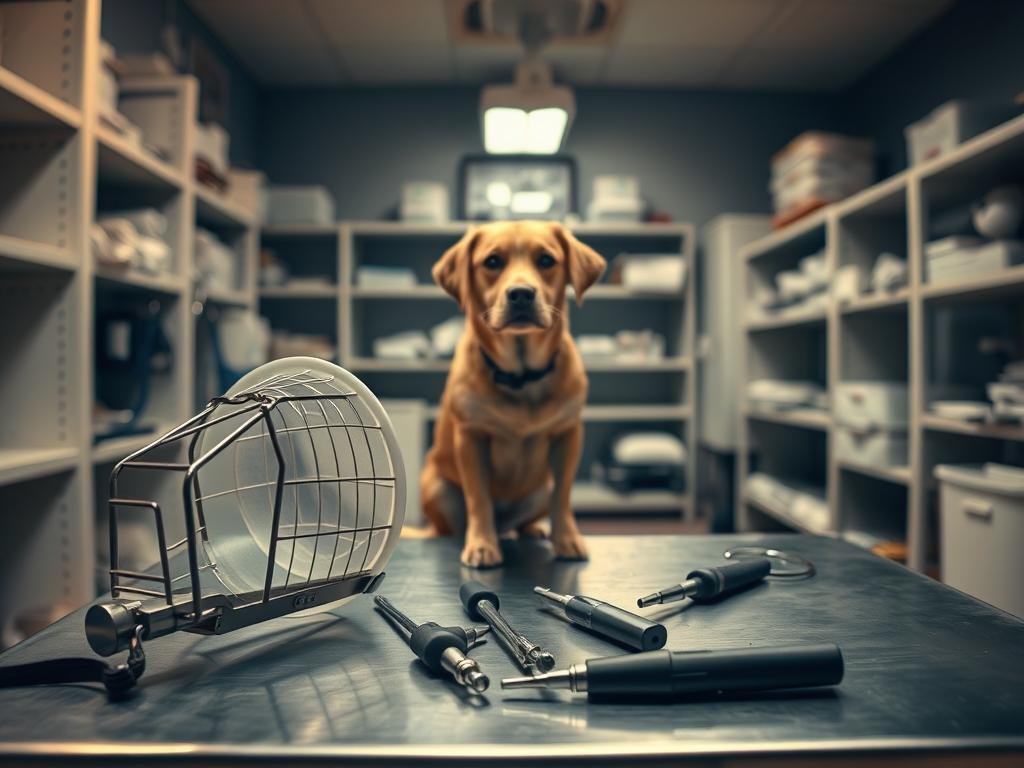
Safety tools help teams work calmly with a fractious animal. They protect people and pets. These tools reduce stress for a fractious dog or an aggressive feline.
Selecting basket vs soft muzzles and visual masks safely
Basket muzzles from brands like Baskerville let dogs pant, drink, and take treats. This is important in hot rooms and during long exams.
Soft muzzles limit mouth opening and should be brief and supervised. They fit best for short procedures when panting is not required.
For a fractious dog, visual masks and Elizabethan collars can cut visual triggers and reduce head movement. For an aggressive feline, a light towel wrap plus a cat mask may lower arousal without heavy force.
Indications for chemical restraint and pre-visit anxiolytics
When desensitization is not enough, veterinarians may use pre-visit medications to take the edge off. This helps a fractious animal accept touch, imaging, or blood draws.
Short-acting sedation supports X-rays, wound care, or nail trims that a pet cannot tolerate awake. It also reduces bite risk and prevents escalation when handling difficult cats or dealing with aggressive cats.
Dose and timing should match history, size, and pain. Clear plans and consent keep the process transparent for owners.
Balancing urgent care needs with welfare in emergency contexts
In trauma, heatstroke, or severe pain, fast access takes priority. Teams may choose higher restraint or sedation to secure airways, place IV lines, or control bleeding.
Clinicians adjust tools to the pet in front of them. A fractious dog may need a basket muzzle and quick analgesia; an aggressive feline may need oxygen flow-by, a visual mask, and rapid-acting sedation.
Each choice aims to stabilize the patient while limiting fear, protecting staff, and setting up better outcomes for future visits.
Behavior modification fundamentals for hard-to-handle pets
Using calm, repeatable steps helps pets learn safer habits for clinic visits. Owners can guide change with clear timing and simple rewards. This approach supports cat aggression training and offers practical tips for dealing with a fractious cat at home and at the vet.
Habituation and spontaneous recovery: what owners should expect
Habituation means a response fades after many safe, routine exposures. A pet may relax when nail trimmers or a stethoscope show up often and nothing bad happens.
But if a sound or touch feels dangerous, the response may not fade. It can grow stronger. Spontaneous recovery can also appear after a break, so a quiet pet last month may react again today.
Plan for small dips and rebounds. For cat behavior modification, keep exposures short, predictable, and paired with food. These steps reduce stress and support aggressive cat training techniques without force.
Reinforcement, shaping, and overlearning for cooperative care behaviors
Reinforcement builds what is wanted. With positive reinforcement, the pet earns a reward when it offers calm behavior. With negative reinforcement, gentle pressure ends when the pet does the right thing, like holding stil for a brief exam.
Shaping breaks a goal into tiny steps. A cat that targets a spoon, then rests its chin, can learn to accept cheek touch. This is the backbone of cat aggression training and gives owners clear tips for dealing with a fractious cat during meds or brushing.
Overlearning means practicing after a skill looks solid. Rehearse the chin rest, paw lift, or muzzle target in different rooms and times of day. That extra practice protects the behavior under stress and smooths cat behavior issues during real exams.
Extinction and extinction bursts: why behavior may get worse before better
Extinction happens when a behavior no longer pays off. A cat that yowls for the carrier door to open will stop if the door never opens for yowling.
Right before it fades, an extinction burst can hit. The cat may yowl louder or swat harder. Stay consistent and reward quiet, stil choices instead. This supports cat behavior modification and aligns with humane, aggressive cat training techniques that avoid mixed signals.
Track progress in short sessions, log wins, and keep rewards ready. Small, steady changes solve cat behavior issues and provide reliable tips for dealing with a fractious cat across home and clinic routines.
Desensitization and counterconditioning for veterinary-style handling
Slow, gentle practice can make clinic tasks feel normal. Keeping the pet calm and rewarding them helps. This makes care safer and kinder for everyone.
Designing gradual exposure plans to touch, equipment, and clinic sounds
Start with a simple daily plan. Begin with light touches on the shoulders, then the paws. Next, try brief head handling.
Add tools like a stethoscope or clippers, but keep them off. Use a towel on the scale. Keep the pet relaxed.
Introduce sounds slowly. Start with soft sounds like lobby noises or door chimes. Reward the pet for staying calm. Gradually increase the sound if they remain relaxed.
Pairing calm behaviors with rewards; adjusting intensity on signs of arousal
Teach a simple behavior like sitting or resting their chin on your hand. Reward them with small treats. As you add tools, keep rewarding calm behavior.
If the pet shows signs of stress, like quick breathing or a twitching tail, step back. Lower the sound or move the tool away. Return to the last calm point and reward again.
Why flooding and poorly timed punishment can worsen fear and aggression
Intense exposure can overwhelm a pet. This can lead to panic and make future sessions harder. Punishment that’s late or not consistent can make things worse.
Choose gentle steps and clear rewards instead. Slow, calm repetition helps change how the pet feels. Rushed methods can cause setbacks.
What is a fractious cat: signs, triggers, and safety first
A fractious cat reacts defensively to handling. They may hiss, swat, or bite when feeling stressed. Watch for signs like flattened ears or a low growl.
Common triggers include carrier aversion and loud noises. Use gentle methods like towel wraps or pheromones to calm them. Always keep exits clear and plan breaks.
| Goal | Low-Intensity Step | Reward Strategy | Escalation Sign | Adjustment |
|---|---|---|---|---|
| Paw touch | One-second touch to forepaw while on a mat | Continuous treats during touch, jackpot after release | Paw pullback, toe flick, pupil dilation | Shorten touch; return to shoulder strokes |
| Stethoscope | Device near shoulder without contact | Treats for looking away and staying loose | Head turn toward tool, freezing | Increase distance; add sniff time |
| Scale practice | Towel-covered scale with familiar scent | Smear treat on towel; reward four paws on | Refusal to step, tail tuck | Use step stool target before scale |
| Clipper noise | Clippers on across the room at low volume | Feed as the sound plays; end before interest fades | Ear pin, scanning, panting | Lower volume; shorten sessions |
| Head handling | Brief cheek rub; no direct face restraint | Pay calm chin rest on hand | Whisker twitch, lip lick | Switch to neck scritches; rebuild |
| Fractious moments | Pause, towel wrap prepared, exit path clear | Reward any de-escalation like soft blink | Hiss, swat, crouch-to-bolt | Stop session; plan shorter steps next time |
Working with aggressive dogs: practical, vet-approved steps
Calm rooms help tense patients relax. Teams dim bright lights and limit foot traffic. They use visual barriers like privacy screens.
A fractious dog benefits from traction mats and soft bedding. These items cut slipping and reduce startle responses.
Staff enter slowly and speak softly. They watch posture, ears, and tail. Lip licking, hard stares, growling, or lunging signal that handling must change.
While the focus is canine safety, awareness of aggressive cat behavior is key. This informs clinic-wide protocols for managing a difficult cat and dealing with aggressive cats in shared spaces.
Reading body language and setting up low-stimulus exam spaces
They prepare the room first: close doors, cover windows, and post a “Do Not Disturb” sign. Mats provide grip, and a scale with a non-slip surface reduces panic jumps.
Technicians read signals in sequence: head angle, ear set, tail carriage, pupil size, and breathing. If stress escalates, they pause or shift position. A fractious dog often relaxes when the handler turns sideways, avoids direct eye contact, and feeds treats behind a barrier.
Aggressive dog handling: traction surfaces, ground exams, and reward timing
Ground exams cut falls and give dogs control. Minimal restraint—one hand for guidance, no full-body pinning—keeps fear lower. Touch trials start with shoulders, then chest, then brief lifts, with breaks between steps.
Rewards are timed to calm moments: nose target, soft eye, loose jaw, or a steady tail. High-value food such as freeze-dried beef or rotisserie chicken pairs with each touch. If a dog guards its head, paws, hind legs, or lymph nodes, the team builds a stepwise plan and stops if distress rises.
Clinic teams use the same quiet approach for cats, as dealing with aggressive cats in adjacent rooms can raise arousal. Knowing trends in aggressive cat behavior helps set traffic flows that protect a fractious dog and support managing a difficult cat during busy hours.
Owner coaching for counterconditioning and response substitution at home
Owners practice short sessions in calm rooms. They present a mild version of the trigger, then feed several treats while the dog offers an easy cue such as sit, down, or hand target. Over days, they raise difficulty slowly.
For sensitive zones, they pair one-second touches with food, then two seconds, and so on. If the dog freezes or lip-licks, they step back a level. This plan also helps when a household includes aggressive cat breeds, because steady routines for managing a difficult cat reduce cross-species tension and protect progress with a fractious dog.
| Clinic Setup | Handling Focus | Reinforcement Strategy | When to Pause |
|---|---|---|---|
| Low traffic, visual barriers, dimmer lights, traction mats | Ground exams, minimal restraint, stepwise touch for head/paws/legs | High-value treats timed to calm signals; frequent, small deliveries | Hard stare, growl, lunge, stiff posture, repeated lip licking |
| Separate dog-and-cat pathways to limit cross arousal | Sideways stance, soft voice, avoid looming and direct reach | Mark and feed for sit, down, or target during trigger exposure | Loss of food interest, panting spike, tail tucked, escape attempts |
| Do-not-disturb sign and closed doors for quiet entries | Short bouts with breaks; no full-body restraint | Pair each touch with food; increase duration gradually | Any escalation despite adjustments; reschedule with a behavior plan |
Note: Consistent routines across dog and cat areas help with dealing with aggressive cats, reduce triggers from aggressive cat breeds, and support safer care for a fractious dog while managing a difficult cat in the same clinic.
Clinic and staff factors that shape handling choices

Handling choices change based on practice type, patient needs, and training. In emergency rooms, pain and shock can quickly turn a calm pet into an aggressive one. Despite this, teams aim for low-stress care, sometimes using firmer holds to keep everyone safe.
In general practices, there’s more time for gentle touch and reward-based steps. This extra time is key when dealing with cat behavior issues or aggressive pets. Clear plans and calm rooms help reduce stress, making it easier to modify cat behavior.
Time constraints, training, and stress-reducing certifications
Short appointments make it hard to use minimal restraint, which is common in busy settings. Yet, trained teams show that a few tools can save time. These include treat stations, traction mats, and ready muzzles.
Clinics with Fear Free–style certifications have smoother visits. Staff learn consistent cues, reward timing, and safer holds. These skills are critical when dealing with aggressive pets or cats under stress.
Staff well-being and safety culture: impacts on patient handling
Burnout and heavy caseloads can lead to shorter exams and less patience. A strong safety culture balances pace with welfare. It uses basket muzzles, visual masks, E-collars, or sedation only when needed.
Leaders who support breaks, rotate duties, and debrief tough cases see better handling. When teams feel supported, they communicate better and stick to plans, even on busy days.
Documenting behavioral history to guide future appointments
Detailed notes help turn one tough visit into a roadmap. Teams record triggers, treat preferences, exam setup, and response to pheromones or pre-visit meds. This record helps tailor care for fractious cats and anticipate issues before they happen.
Over time, patterns emerge: lighting, table surfaces, approach angles, or the order of procedures. Documenting what worked anchors consistent care, reduces risk, and builds trust with guardians who manage fractious animals at home.
Conclusion
Improving care for hard-to-handle pets starts with a clear plan. Teams use gentle methods and focus on the pet’s comfort. This approach leads to calmer animals and fewer risks.
When pets get upset, it’s best to slow down or reschedule. This patient-first method works for both fractious cats and anxious dogs.
Getting ready for a vet visit is key. Calls before the visit and quiet waiting areas help keep pets calm. Using carriers with easy access and towel covers also helps.
High-value rewards make handling pets a positive experience. This builds trust and makes future visits easier.
Training at home is important for ongoing progress. Simple steps like gentle habituation and reinforcement help. Desensitization and counterconditioning should be done carefully.
For urgent needs, tools like basket muzzles and visual masks are helpful. They protect the pet’s welfare while preserving future behavior gains.
By working together, teams and owners can make vet visits better. This approach supports calming anxious cats and reduces fear. It turns chaotic visits into safer, more predictable ones over time.
FAQ
What does “fractious cat” mean, and how is it different from normal stress?
A fractious cat is very reactive and defensive. They may hiss, swat, or bite when stressed. Unlike normal stress, they quickly get upset with handling or new sounds.
Early signs include flattened ears and a low growl. To keep them safe, use towel wraps and pheromones. Also, give them treats and plan breaks when needed.
Why do negative clinic experiences make pets more fearful and aggressive?
Bad visits teach pets to fear the clinic. This makes them more aggressive at future visits. It also makes exams harder and increases staff injuries.
Studies show dogs with bad experiences return more fearful. Cats and dogs learn fast in stressful settings. So, it’s important to prevent scary first impressions.
How does stress affect healing, immunity, and recovery?
Stress raises cortisol levels, which can slow healing and weaken the immune system. Studies show that calm handling can lower cortisol levels. This supports better exams and recovery.
Which exam steps most often trigger fear or defensive aggression?
Head exams and touching shoulders, paws, and legs often stress pets. For anxious pets, use minimal restraint and rewards. Break tasks into short steps and pause if they get upset.
What should owners tell the clinic before a visit with a fractious animal?
Tell the clinic about your pet’s fears and reactions. Share any sedation needs or preferences for a certain vet. Ask about outside check-in or waiting in the car to avoid busy areas.
When should I request outside check-in, direct-to-room, or car waiting?
If your pet is scared in lobbies or around other animals, ask for these options. Many clinics can take you straight to a quiet room to avoid triggers.
Can pre-visit supplements or medications help with car sickness and anxiety?
Yes. Vets may recommend supplements or prescribe medication to help with anxiety before your visit. These tools make transport and exams safer for fractious pets.
How do I prepare a carrier for a feisty or anxious cat?
Leave the carrier out with cozy bedding and a non-slip mat. Cover it with a familiar towel and mist with pheromones. Practice short, positive entries with treats to build comfort.
Do pheromones help cats and dogs during transport and exams?
They can. Use species-specific pheromones in carriers. For larger dogs, spray on a bandana. Pair with calm handling and rewards for best results.
What’s the safest way to transport medium to large dogs?
Use an approved car restraint or harness. Drive calmly with gentle starts and stops. Avoid loud music and sudden braking. Bring traction mats for safer entry and exams.
Why bring high-value treats, favorite toys, and traction mats?
Treats and toys make handling positive. Traction surfaces prevent slipping and reduce fear. Together, they support cooperative care and lower stress.
What is least-to-most restraint, and why is it safer?
Start with minimal restraint and increase as needed. This lowers fear and improves safety. Stop and reassess if the pet becomes distressed.
When should a vet pause or stop an exam for a difficult kitty or dog?
Pause when signs of distress or aggression appear. If arousal keeps rising, stop and reschedule. This ensures safety and well-being.
Why can full-body restraint increase fear and risk?
Full-body restraint and forced lateral holds can spike fear and vocalization. Pets may bite or scratch. Minimal restraint keeps exams safer.
How do treats during exams change behavior over time?
Treats pair the clinic and handling with rewards, building a positive association. Over time, fear and cortisol can drop, making exams calmer.
Do ground exams and traction surfaces really help?
Yes. Ground exams on non-slip mats reduce slipping and startle responses. Stable footing increases confidence and cooperation, lowering stress.
Does owner presence make a difference for anxious pets?
Often. Many pets stay calmer with their person nearby. If the owner’s stress seems contagious, the team may adjust who stays in the room.
How do I choose between a basket muzzle, soft muzzle, or visual mask?
Basket muzzles allow panting and treat delivery. Soft muzzles restrict mouth opening. Visual masks or collars can lower visual triggers. Fit matters—introduce at home with rewards.
When are pre-visit anxiolytics or sedation appropriate?
Use them when behavior modification and minimal restraint aren’t enough. Your vet will choose options based on health, history, and procedure needs.
How do clinics balance urgent care with welfare during emergencies?
In emergencies, higher restraint levels may be needed for rapid diagnostics and pain control. Teams aim for the least stressful approach possible and adjust as the patient stabilizes.
What should owners know about habituation and spontaneous recovery?
Habituation is reduced response after repeated, safe exposure. But if a pet sees a stimulus as dangerous, habituation may not happen. Spontaneous recovery means old fear can briefly return after a break—expect occasional setbacks and keep sessions short and positive.
How do reinforcement, shaping, and overlearning help aggressive cat training and dog handling?
Reinforcement rewards desired behaviors. Shaping builds complex skills in small steps. Overlearning repeats mastered behaviors so they hold under stress—ideal for vet-style handling.
What is an extinction burst, and why might behavior worsen first?
When a behavior stops being rewarded, pets may temporarily escalate—bark, swat, or struggle more—before it fades. Stay consistent and avoid reinforcing the burst to see improvement.
How do you design desensitization plans for vet-style handling?
Break tasks into tiny steps—touching a paw for one second, showing a stethoscope, stepping on a scale—paired with high-value rewards. Keep the pet relaxed at each step before progressing. If arousal rises, dial back intensity.
What is counterconditioning, and how is intensity adjusted?
Counterconditioning pairs calm behaviors—sit, chin rest, relaxed stand—with rewards during exposure to triggers. If the pet tenses, lower the stimulus (distance, volume, duration) until relaxation returns, then build up again.
Why avoid flooding and poorly timed punishment?
Flooding overwhelms pets with high-intensity exposure and can worsen fear. Punishment is hard to time and can raise aggression. Evidence favors gradual exposure with reinforcement.
What is a fractious cat: signs, triggers, and first steps for safety?
Signs include hissing, swatting, biting, escape attempts, flattened ears, and a lashing tail. Triggers include carriers only brought out for vet trips, lobby crowds, head and paw handling, and tight restraint. Safety first: towel wraps, carrier top-off access, pheromones, treat smears, minimal restraint, and breaks or rescheduling.
How should teams read dog body language and set up low-stimulus spaces?
Watch posture, ears, tail, lip licking, growling, and lunging. Use quiet rooms, visual barriers, and traction mats. Enter calmly and let the dog choose to approach when ready.
What handling works best for aggressive dogs during exams?
Ground exams on non-slip surfaces, minimal restraint, well-timed rewards, and pausing when distress appears. Use basket muzzles for safety while allowing treat delivery and panting.
How can owners practice at home for a feisty or reactive dog?
Coach sit, chin rest, and muzzle conditioning with shaping and reinforcement. Use counterconditioning and response substitution—offer a calm behavior during mild triggers—then gradually increase difficulty without tipping into fear.
How do time pressures and training affect handling choices?
Under tight schedules, teams may default to higher restraint. Clinics with Fear Free–style or stress-reducing training tend to use minimal restraint more consistently, which is safer for dogs.
Why does staff well-being and safety culture matter for aggressive feline or canine cases?
Burnout and high stress can shorten exams and reduce individualized care. A strong safety culture supports pre-visit planning, owner communication, proper tools, and calm handling—reducing risk for everyone.
What behavioral details should be documented to guide future visits?
Note triggers, successful strategies, response to treats and pheromones, preferred exam setups, effective muzzles or towel wraps, and any pre-visit medications. This record streamlines future care for fractious animals.
What are the best first steps for managing a difficult cat at home?
Normalize the carrier, practice short vet-like touches with treats, and add pheromones. Keep sessions brief, end on success, and plan for overlearning so calm behaviors hold during real exams.
Are some breeds more prone to aggressive feline behavior?
Any cat can become aggressive under stress. Genetics, early socialization, pain, and prior experiences matter more than breed. Focus on triggers, health screening, and calm handling to reduce risk.
Be the first to comment