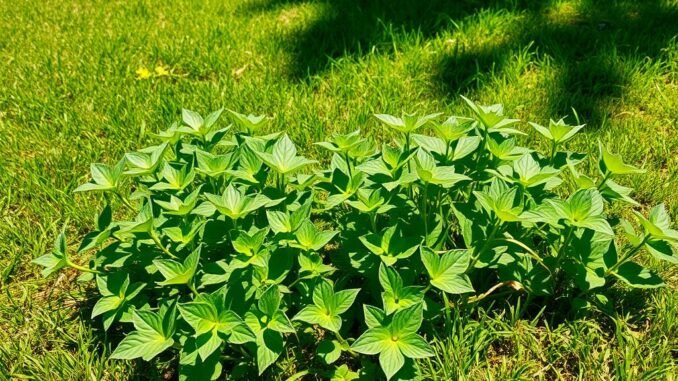
Just one gust of wind can scatter hundreds of trampweed seeds over a block. A small patch can quickly cover a lawn by spring. This is why tramp weed is spreading from Pensacola to Tallahassee, making lawns and medians look rough.
Field trips and workshops by the Florida Native Plant Society have sounded the alarm. They’ve noted Annual Trampweed (Facelis retusa) in many places. It’s found along pine flatwoods, open medians, and “saved marsh” margins where soil is bare.
This article offers practical advice. It helps you spot trampweed early, remove it, and control it seasonally. It’s based on research that suggests using multiple methods to manage trampweed. This approach helps keep yards healthy and protects nearby habitats.
Learn how to close gaps in turf, time your mowing and watering, and use non-chemical methods first. If herbicides are needed, it explains how to use them safely. The focus is on Northwest Florida, turning field notes into action.
What is trampweed and why it’s increasing in Northwest Florida
Trampweed is an annual Aster that grows quickly in bare, sandy soil. In Northwest Florida, it spreads fast because of traffic, grading, and mowing. Seeds are carried by the wind, making it common in road medians and new buildings.
People also see it in landscaping after utility work or storm cleanup. When soil is exposed, trampweed takes hold, spreading into turf and beds.
Annual Trampweed (Facelis retusa): a quick profile
Facelis retusa is a small, non-native annual in the Aster family. It has low rosettes with narrow, gray-green leaves and soft hairs. These features help it survive in heat and sand.
Its seed heads look like puffballs and break apart easily. This lets them move with the wind. It grows quickly, making it a problem in landscaping.
How disturbed sites and roadside corridors fuel its spread
Freshly graded areas, like shoulders and medians, create bare soil. Activities like driving and mowing spread seeds. With sun and space, seedlings grow fast.
Open areas connect neighborhoods, spreading trampweed. This is why keeping areas clean is important. It slows the spread of invasive weeds.
Weather patterns, soil exposure, and seed dispersal dynamics
Short, heavy rains start germination and growth. Dry spells follow, favoring plants in sandy soils. Seeds sprout where mulch is thin or turf is sparse.
Seeds drift on the wind, settling in cracks and tree rings. This is why trampweed clusters at edges. Cleaning up and covering the ground helps prevent it.
| Factor | Why It Matters | Site Examples | Action Focus |
|---|---|---|---|
| Bare, sandy soil | Speeds Facelis retusa germination and root set | Road shoulders, medians, construction pads | Keep cover/mulch to aid trampweed prevention |
| Wind-dispersed seeds | Moves seed along open edges and hardscape | Sidewalk seams, parking lots, curbs | Edge maintenance and trampweed identification |
| Pulse rainfall | Triggers flushes of annual seedlings | After storms or irrigation cycles | Schedule checks before seed set |
| Corridor connectivity | Links source patches to new areas | Rights-of-way, utility lines, trails | Sanitation to limit invasive weeds Florida spread |
| Thin turf and mulch gaps | Creates niches that favor establishment | High-traffic lawns, tree rings, beds | Close canopy in trampweed in landscaping zones |
Trampweed identification: key traits homeowners can spot
Identifying trampweed starts with timing, texture, and where it grows. Homeowners often see it in lawns with thin turf and sandy soil. Look for low rosettes that grow into short stems with white, fluffy seed heads. For more help, check out Florida weed control resources.
Tip: Even while learning, note trampweed’s uses and benefits for pollinators and erosion cover. But also manage its spread in yards and corridors.
Seedling to flowering stage: what to look for through the season
Seedlings show up in winter to early spring on dry sand. They have small, gray-green leaves that are softly hairy. These leaves form a flat rosette that hugs the ground.
By early spring, plants grow taller and set round heads. As they mature, heads open into white tufts that lift in the breeze, scattering many tiny seeds.
When mowing makes a snow-like puff, that’s a strong sign of trampweed. Regular checks during this time help confirm its identity before seeds disperse.
How trampweed differs from look-alikes in the Aster family
Aster family weeds in Florida share the tufted seed trait. But growth habit sets them apart. Trampweed stays compact, with felted leaves and short stalks that branch close to the base.
Fleabanes, like Erigeron, stand taller with narrower leaves and more obvious ray florets. Trampweed heads look like dandelions when open, yet the plant itself remains low and patch-forming.
Comparing them during workshops and walks highlights these differences. You’ll see contrasts in leaf texture, stem height, and head structure for accurate identification.
Clues in lawns vs. non-cropped areas, medians, and rights-of-way
In dense turf, trampweed struggles; in weak turf it thrives. Look for clusters where traffic, drought, or low fertility left gaps. This pattern flags trampweed in lawns faster than a single plant does.
On medians and rights-of-way, disturbance and sandy shoulders invite establishment. Edges near pine flatwoods and “saved marsh” borders show similar openings where seeds land and sprout.
Reading these site clues adds context: habitat signals risk, plant traits confirm ID, and season tells when to act. Integrating those cues supports thoughtful control while weighing trampweed benefits and any uses.
| Feature | Trampweed (Facelis retusa) | Common Fleabanes (Erigeron spp.) | Field Cue to Prioritize |
|---|---|---|---|
| Growth habit | Low rosette; short, branching stems | Taller, upright stems | Measure height and note rosette spread |
| Leaf texture | Gray-green, softly hairy, felted look | Narrower, less felted leaves | Rub leaf between fingers for hairiness |
| Seed heads | White tufts; many tiny seeds per head | Tufted but often with visible rays on flowers | Check for puff stage after mowing or wind |
| Seasonal timing | Seedlings winter; puff heads spring | Often later and taller at bloom | Log dates of first rosettes and tufts |
| Habitat | Open, dry, low-fertility sites | Varied, but less tied to thin turf | Scan bare patches, medians, and shoulders |
Where trampweed shows up: lawns, roadsides, and “saved marsh” edges
In Northwest Florida, trampweed grows where soil is open and traffic moves seeds. It starts near driveways and spreads to sidewalk cracks and shoulders. These areas act as launch pads, making trampweed spread wider.
After grading, pruning, or utility work, roadside weeds in Florida appear. Wind-borne seeds settle quickly. Rainy weeks carry seeds to culverts, swales, and saved marsh fringes or ditches.
Patterns seen on Florida field trips and plant ID workshops
Field groups in Alachua and Leon counties see trampweed near mailboxes and in medians. Plant ID workshops note its presence in north-central routes. This shows how roadside weeds in Florida follow road corridors.
Yard walks and public right-of-way checks show similar patterns. Wind along straight streets helps trampweed spread past fences. After crews remove shrubs, trampweed and other quick annuals appear.
Why open sandy soils, pine flatwoods edges, and medians invite invasion
Open, low-organic sand warms early, giving seedlings a head start. Pine flatwoods weeds grow in sunny spots after fire or utility work. These areas have exposed soil after mowing or burning, favoring small-seeded species.
High-visibility corridors like medians attract weeds after curb work or tree removals. Traffic drafts seeds along the pavement. At saved marsh edges, seasonal drawdowns create micro-sites for trampweed.
| Site Type | Typical Disturbance | Soil/Light Condition | Observed Weed Response | Notes Relevant to Trampweed Spread |
|---|---|---|---|---|
| Residential lawn edges | Mowing scalps, edging, vehicle parking | Sandy, high light, intermittent moisture | Fast germination at cracks and curbs | Trampweed in landscaping forms seed before turf recovers |
| Road shoulders and medians | Grading, replanting, utility cuts | Exposed sand, heat from asphalt | Medians weeds expand downwind lanes | Traffic flow accelerates roadside weeds Florida movement |
| Saved marsh margins | Seasonal drawdown, silt deposition | Bare pockets after water retreats | Short flushes of annuals | Seeds raft in via stormwater, aiding trampweed spread |
| Pine flatwoods edges | Mowing and periodic fire | Open canopy, sandy mineral soil | Pine flatwoods weeds surge post-disturbance | Wind corridors along lines push seed into rights-of-way |
| Parking lots and trailheads | Soil scraping, foot traffic | Hot, dry, compacted sand | Patchy but persistent annuals | Vehicle grills and gear vector seeds between sites |
Trampweed in lawns: risks to turf health and landscape value
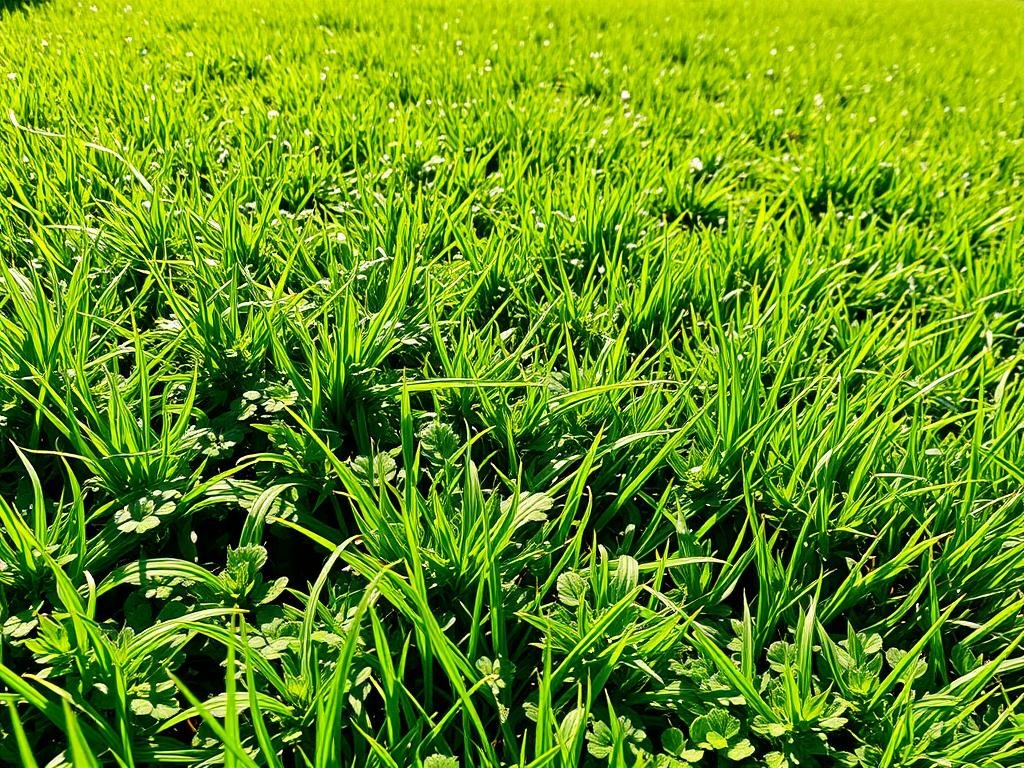
Homeowners in the Panhandle face a problem with trampweed in their lawns. It fills in thin spots and takes water and nutrients from grass. This weed grows where soil is exposed, like after a lot of foot traffic or renovation.
This leads to a lawn that looks patchy and lacks color. It also makes the lawn less appealing to look at.
Trampweed thrives in areas where the soil is disturbed. This includes places where the grass is often walked on or where the soil is dug up. Mowing too early or too late can also weaken the grass, making it easier for trampweed to spread.
Edges of lawns are also at risk. Areas where grass meets driveways or sidewalks can become seed banks. This means that trampweed seeds can spread to other parts of the lawn.
Changing how you care for your lawn can help. Keeping the grass dense by mowing it at the right height and fertilizing it properly can help. Also, using clean equipment and handling debris carefully can help get rid of trampweed.
Key takeaway: A strong, healthy grass canopy is the best way to fight trampweed. It reduces the need for constant weed control and keeps your lawn looking good.
Integrated trampweed management: prevention first
In Northwest Florida, yards and rights-of-way do best with a prevention-first approach. This method combines cultural steps with practical habits. It creates a strong foundation for managing trampweed within an integrated weed management plan.
Don’t import the problem: clean equipment, mulch, and straw
Seeds often travel on equipment. Cleaning tools before moving to new sites helps prevent trampweed spread. This simple action stops seeds from being carried to other lawns.
Choose mulch and straw from suppliers who keep their products dry and weed-free. Check the quality of these materials when they arrive. This approach fits well into integrated weed management without needing chemicals.
Close the canopy: optimize turf density and fertilizer placement
Light on bare soil encourages weeds to grow. Choose turf that fits the local climate and traffic. Then, overseed thin spots in early spring.
Feed the lawn where it needs it most. Use banding or side-dressing near the roots instead of broadcasting. This targeted feeding boosts the lawn’s growth, helping to control weeds.
Timing irrigation and mowing height to reduce voids in turf
Water deeply but infrequently to promote root growth. Avoid frequent watering that can wake up weed seeds. Early morning watering helps the turf dry faster.
Set your mower height based on the grass type. Taller blades shade the soil, reducing weed growth. Sharp blades prevent damage to the turf, keeping it dense and healthy.
| Practice | Main Goal | Action Details | Seasonal Focus | Benefit to Turf |
|---|---|---|---|---|
| Clean equipment | Stop seed transfer | Blow off decks, scrape clumped debris, bag residue before transport | Year-round, specially after mowing seedy patches | Limits new infestations and preserves site hygiene |
| Verified mulch and straw | Prevent seed introductions | Buy from vetted suppliers; inspect bales for fluff and chaff | Landscape installs and refresh cycles | Clean cover reduces germination on open soils |
| Canopy closure | Deny light and space | Select adapted cultivars; overseed thin areas; topdress lightly | Late winter to early spring | Higher turf density suppresses seedlings |
| Targeted fertilizer placement | Favor desired plants | Band near roots; avoid broadcast onto bare edges | Active growth periods | Directs nutrients to turf, not weeds |
| Smart irrigation | Reduce germination flushes | Deep, infrequent, early morning cycles; adjust to rainfall | Spring through fall | Stronger roots and drier surface layer |
| Proper mowing height | Shade soil surface | Maintain species-specific height; keep blades sharp | Growing season | Stable canopy that blocks light to weed seed |
Non-chemical tactics for trampweed control
Homeowners can fight trampweed with easy steps. These methods target the weed’s life cycle and fit into regular yard care. They focus on non-chemical weed control to protect your turf, soil, and plants.
Hand removal, spot hoeing, and small-area solarization
Removing trampweed early is key when seedlings are young and roots are shallow. Pull them after rain or watering to avoid breaking off roots.
In beds, quick spot hoeing cuts stems just below the soil to stop regrowth. For tough spots, soil solarization uses clear plastic to trap heat. This method raises soil temperature to kill seeds near the surface.
Mulch and residue cover to block germination
A thick mulch layer blocks light, stopping seeds from germinating. Use pine straw, shredded bark, or composted leaf mold around plants.
Long-term, residue retention from clippings or prunings creates a living cover. It shades the soil, keeps moisture, and prevents bare spots where weeds can grow.
Stale seedbed technique for garden beds and renovations
Before planting, prepare the soil and water it lightly to bring up sprouts. Then, wait a bit and remove them with a shallow pass or targeted knockdown.
This stale seedbed method reduces the number of seeds on the surface. It works well with minimal tillage, which keeps buried seeds from reaching the surface.
By combining timely hand work, smart mulches, and careful bed prep, you can control weeds effectively. These methods keep non-chemical weed control at the forefront.
Choosing a trampweed herbicide wisely
They can match a trampweed herbicide to growth stage and site goals. Early sprouts need quick action, while mature plants require deeper reach. This balance ensures steady control without extra passes.
Contact vs. systemic products and where they fit
Contact herbicides work fast on small, tender trampweed. They’re great after mowing or when seedlings crowd thin turf. But, they might not kill roots, leading to regrowth.
Systemic herbicides, on the other hand, go inside the plant to kill roots and stolons. They’re best for established patches and edges. Many use both types: contact first for quick kill, then systemic for lasting control.
Using non-selective options safely in non-cropped areas
Non-selective tools like glyphosate and paraquat are common in non-cropped areas. Always follow label directions and observe buffers near turf and native plants. Calm weather and clean spray shields help avoid off-target injury.
Edges of gravel drives and utility corridors benefit from uniform coverage. Apply on dry foliage and avoid runoff into drains. Rinsing equipment in a designated area prevents carryover that could spot-scorch lawns.
Rotate modes of action to slow resistance
Using the same herbicide too much can lead to resistance. Rotate modes of action and mix compatible partners. Only tank mix when labels allow, then alternate again in the next window.
Keep records of product, date, weather, nozzle, and rate. This helps track patterns and adjust your plan. Rotation, scouting, and timely spot treatments keep your plan resilient and efficient.
Trampweed treatment calendar for Northwest Florida
Northwest Florida has mild winters and quick springs. This means a detailed plan is needed. A trampweed calendar helps teams work efficiently and respond to new growth.
They aim to treat trampweed before it grows and clean up any that escapes. This way, they avoid harming nearby plants.
Pre-emergence windows and post-emergence follow-ups
They start treating trampweed in late winter when soil is around 50°F. Another treatment happens just before fall rains. These steps help control the first wave of growth.
When seedlings show up, teams switch to post-emergence treatments. They do spot treatments to keep pressure low and protect the turf. This cycle is key for spring and after summer storms.
Aligning applications with rainfall and temperature trends
Rain timing is important. They apply pre-emergence treatments during a light rain to help the product settle. They avoid heavy rain to prevent runoff.
When it’s warmer, germination happens faster. So, they check sites after warm spells and rain fronts. For new plantings, they prepare the seedbed first. A little water or rain helps bring up sprouts, then they do a quick post-emergence treatment.
Re-entry intervals and protecting nearby native plants
Labels tell them when it’s safe to re-enter treated areas. They plan their work to keep everyone safe. Flags stay up until it’s safe to go back, and they avoid windy times to prevent drift.
They use buffers to protect plants like wiregrass and native azaleas. They use nozzles that don’t spread much, apply in calm air, and rinse at special pads. Each treatment on the calendar is carefully planned to protect native plants and keep areas clean.
Conservation-friendly strategies that work in Florida yards
Florida homeowners are adopting simple, soil-friendly methods. These methods promote dense cover and steady moisture. They mirror conservation agriculture in yards, helping lawns and beds fight weeds without needing lots of chemicals.
Residue retention and groundcovers to outcompete weeds
Leaf litter, pine needles, and composted mulch create a cool, shaded layer. This residue retention slows weed germination and keeps moisture for roots.
They can also use groundcovers Florida gardeners love, like Conradina and Hypericum. These groundcovers, along with the mulch, block weeds from growing.
Cultural controls inspired by conservation agriculture
Home landscapes can use cultural weed control by growing more plants. Planting after weeds sprout and fertilizing close to plants helps. This keeps weeds away from where they can grow.
These steps are great for conservation agriculture in yards. They encourage steady growth and cut down on the need for frequent disturbance or expensive fixes.
Reducing tillage that exposes dormant seeds
Frequent digging brings hidden seeds to the surface. Using reduced tillage during bed refreshes keeps seeds buried.
When a reset is needed, a brief stale-seedbed cycle can clear the top layer. Less soil turnover, more cover, and timed planting make for a low-stress care system.
Managing trampweed along roadsides and non-cropped areas
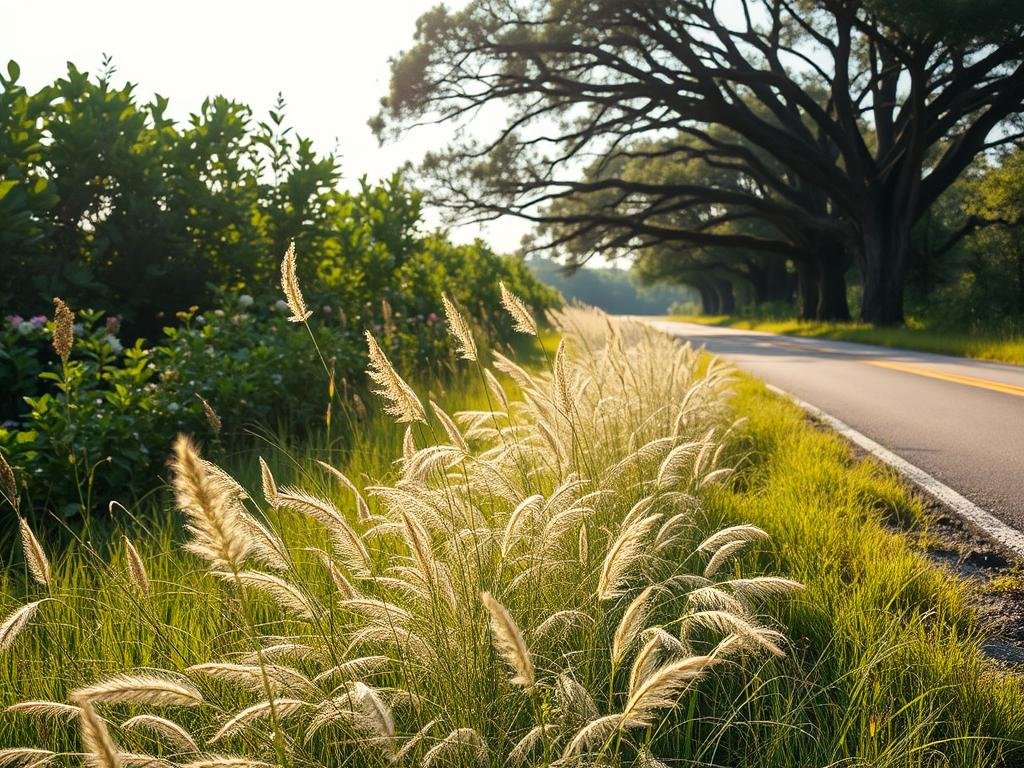
Roadsides, medians, and utility corridors are like seed highways. If crews don’t clean up, trampweed spreads into lawns. Controlling weeds along roads makes traffic safer and keeps neighborhoods clean.
A steady schedule matters. Quick, regular mows and clean-ups prevent soil exposure. Clean equipment and these steps stop weeds from spreading into parks and subdivisions.
Coordinating with HOAs and public works for corridor control
Good plans coordinate public works, utilities, and HOAs. They agree on mowing heights and sanitation routes. This way, they cover all areas and prevent weeds from coming back.
Florida Native Plant Society chapters host events for plant ID. These events help crews and homeowners spot trampweed early. They report hotspots along medians and rights-of-way.
Safe use of herbicides like glyphosate in hardscape zones
In curb-and-gutter cracks, glyphosate can stop weeds before they seed. Operators use special nozzles and shields to protect plants. This keeps the area stable.
Where paraquat is allowed, teams use it carefully. They follow strict rules and keep away from wetlands. This protects the environment.
Fire risk, visibility, and habitat considerations
Dry thatch and vines can start fires and block views. Regular edging and litter sweeps help keep signs clear. This reduces fire risk during hot and windy times.
Plans also protect sensitive habitats. Adjusted schedules and careful herbicide use avoid harming native plants. This keeps trails safe from weeds.
| Priority | Action | Purpose | Notes for Field Crews |
|---|---|---|---|
| 1 | Synchronize HOA weed management and public works calendars | Prevent gaps where trampweed in non-cropped areas rebounds | Share maps of medians, cul-de-sacs, and utility corridors |
| 2 | Mow high and remove debris before seed set | Reduce seed spread along rights-of-way | Clean decks and chains between zones; bag hotspots |
| 3 | Targeted glyphosate application on hardscape cracks | Suppress small patches without harming natives | Use shields, low-drift tips, and follow re-entry intervals |
| 4 | Buffer sensitive habitats and drainage features | Protect wetlands and roadside plantings | Switch to mechanical edging near culverts and swales |
| 5 | Quarterly audits of corridor weeds | Track pressure and adjust timing | Log photo points; align with seasonal weather shifts |
Building resilient native landscapes that resist trampweed
In Northwest Florida, gardeners are using Florida native plants to keep weeds away. These plants create a dense cover that cools the soil and shades it. This makes it hard for weeds to grow.
Selecting Florida-native grasses and shrubs for quick cover
FNPS yard visits show the power of quick-growing mixes. Wiregrass and chalky bluestem fill in gaps in pine flatwoods. Shrubs like Callicarpa americana and Lindera benzoin add height and feed the soil.
For color and to attract pollinators, homeowners add Hypericum and Penstemon multiflorus. These plants create a structure that keeps weeds out and supports wildlife.
Lessons from local yard visits and field trip observations
At Balu Forest, managing disturbance is key. Burns and mowing are timed to let plants grow back. This keeps the ground covered and weeds away.
In medians, a mix of fast-growing grasses and shrubs breaks wind and stops seeds. Native groundcovers between stepping stones also help, reducing erosion and weed spread.
Protecting sensitive habitats while managing weeds
Near wetlands, crews use non-chemical methods first to protect the area. If needed, they use spot treatments with care. This is based on Menon and Metcalfe’s advice.
On pine flatwoods edges, mulched paths and close planting stop weeds. This careful approach keeps native plants thriving and reduces harm to the environment.
| Site Goal | Recommended Native Mix | Primary Function | Weed-Suppression Tactic | Notes for Sensitive Areas |
|---|---|---|---|---|
| Rapid soil cover in sunny yards | Wiregrass, chalky bluestem, Hypericum spp. | Fast canopy and litter | Staggered plugs at close spacing | Favor non-chemical edging to protect sensitive habitats |
| Medians and corridors | Itea virginica, Callicarpa americana, Penstemon multiflorus | Pollinator support and structure | Drip irrigation to reduce bare patches | Use shielded spot sprays only when needed |
| Pine flatwoods edges | Wiregrass with Lindera benzoin and Gaylussacia | Windbreak and seed movement control | Mulched swales and dense understory | Time disturbance to avoid peak germination |
| Near wetlands and floodplains | Hypericum spp., Itea virginica, native groundcovers | Filtration and habitat | Hand removal of annuals before seed set | Wide no-spray buffers to protect sensitive habitats |
Conclusion
In Northwest Florida, Annual Trampweed (Facelis retusa) grows well in bare soils and disturbed areas. Field notes from the Florida Native Plant Society show its presence in many places. This highlights the need to stop new seeds, keep soil covered, and act at the right time.
Strong turf and groundcover are key to managing trampweed. Cleaning equipment and using fresh mulch or straw helps. Mowing at the right height and controlling irrigation also helps keep the area healthy.
Herbicides can be used, but timing and rotation are important. Research shows using different tools and minimizing disturbance helps. This approach prevents new growth and slows down resistance.
Using a simple calendar for herbicide application helps keep control low. Adding quick-cover natives and regular maintenance turns invasion areas into buffers. This method protects lawns, streetscapes, and natural areas, keeping communities connected.
FAQ
What is trampweed and why is it increasing in Northwest Florida?
Trampweed, or Annual Trampweed (Facelis retusa), is a non-native plant that grows in disturbed, sandy soils. It’s spreading across Northwest Florida, including lawns, medians, and roadsides. This is because mowing, grading, and traffic create bare ground. Florida Native Plant Society chapters and the Atlas of Florida Vascular Plants confirm its presence.
How can someone identify trampweed through the season?
Look for small seedlings in open sand from winter to early spring. They form low rosettes. By late spring, they grow into short stems with narrow, hairy leaves. They then produce tufted seed heads typical of asters.
How does trampweed differ from similar Aster family weeds like fleabanes?
Trampweed stays lower and tighter, with finer, softly hairy foliage and smaller, tufted heads. Fleabanes grow taller with showier ray florets. Habitat clues help: trampweed favors very open, sandy patches and medians scoured by maintenance.
Where is trampweed most common in the landscape?
It’s common in lawns with thin turf, roadsides, medians, utility corridors, and “saved marsh” edges. Field trips by FNPS in pine flatwoods and corridor margins show these hotspots.
Why do roadsides and corridors fuel trampweed spread?
Frequent mowing, grading, and traffic create bare soil and wind channels. Lightweight seeds travel easily along these open edges. Equipment can move seed between sites if not cleaned, accelerating corridor-to-lawn spread.
What risks does trampweed pose to lawns and curb appeal?
It occupies gaps, competes for moisture and nutrients, and forms patchy mats that reduce turf density. In warm months, seed heads disperse widely, re-infesting beds and hardscape cracks. Left unchecked, it lowers landscape value and increases maintenance.
What is the first step in trampweed management?
Prevention is key. Clean mowers, trimmers, and hand tools between sites. Use clean mulch and pine straw. Maintain dense cover to minimize bare ground. These steps cut introductions and reduce germination niches.
How can homeowners “close the canopy” to prevent trampweed?
Choose turf adapted to site light and soil, overseed thin areas, and band fertilizer near desired plants to shift competition. Maintain higher mowing heights that shade the soil and increase turf tillering.
How should irrigation and mowing be timed for trampweed prevention?
Water deeply but infrequently to favor turf roots, not frequent light irrigation that cues weed germination. Mow on schedule and avoid scalping, which opens gaps. After renovations, protect soil with temporary mulch or cover until turf knits.
Which non-chemical methods work for trampweed control?
Hand-pull seedlings before seed set, spot hoe in beds, and solarize small patches during peak heat. In lawns and beds, apply organic mulches or retained leaf litter to block light. These tactics pair well with turf densification.
What is the stale seedbed technique and when is it useful?
Prepare the soil, add light irrigation or wait for rain to trigger weed germination, then remove the flush shallowly or with a non-selective knockdown before planting. It depletes surface seeds and reduces later emergence.
How do contact and systemic trampweed herbicides differ?
Contact products burn down small seedlings fast but have limited movement in the plant. Systemic herbicides move within the plant to reach roots and established growth. Use contact options for tiny flushes; use systemics for older plants.
Is it safe to use non-selective herbicides for trampweed in non-cropped areas?
Yes, when labels are followed. In hardscape-adjacent zones, non-selectives like glyphosate are standard. Use shields, low-drift nozzles, and respect buffers to protect turf and native plants. Avoid windy conditions and runoff-prone periods.
Why rotate herbicide modes of action for trampweed?
Rotating MOAs reduces selection pressure and slows resistance. Mixtures or sequences with different MOAs, combined with cultural controls, improve durability and lower environmental impact.
When should pre-emergence trampweed treatments be applied in Northwest Florida?
Target late fall to early winter ahead of main germination flushes, then follow with post-emergence spot treatments as seedlings break through. Adjust timing with local temperatures and rainfall patterns.
How should treatments align with rainfall and temperatures?
Use predicted rain to activate pre-emergence products or irrigate lightly per label. Schedule post-emergence sprays during active growth and mild conditions. Avoid heavy rain windows that cause runoff.
What about re-entry intervals and protecting nearby native plants?
Follow the label’s re-entry interval for each product. Use drift-reduction tips, keep buffers near native beds, wetlands, and flatwoods, and spot-spray instead of broadcasting in sensitive areas.
Which conservation-friendly strategies help Florida yards resist trampweed?
Retain leaf litter and pine needles as mulch, add groundcovers, and diversify plantings to close soil. Reduce tillage during bed work to avoid bringing buried seeds to the surface. These steps lower herbicide reliance.
What cultural controls from conservation agriculture apply at home?
Maintain permanent soil cover, increase desired plant density, band fertilizers near ornamentals, and fine-tune planting windows to outcompete weeds. These measures suppress germination and strengthen the canopy.
Why is reducing tillage important for trampweed management?
Tillage exposes dormant seeds and triggers fresh flushes. Limiting disturbance maintains soil structure and keeps weed seeds buried and inactive.
How should HOAs and public works coordinate corridor control?
Align mowing schedules, sanitation protocols, and treatment windows across property lines. Shared timing reduces seed set, limits spread into neighborhoods, and improves visibility and safety.
What’s the safest way to use glyphosate for trampweed near hardscapes?
Spot-apply with wands or shields, select low-drift nozzles, and spray during calm weather. Keep sprays off desirable plants and follow labeled rates and re-entry intervals.
Do trampweed infestations affect fire risk or visibility?
Accumulated weedy vegetation can dry and add fine fuels, and unmanaged growth can obscure signage and sightlines. Regular sanitation, mowing, and timely treatments help reduce these risks.
Which Florida-native plants help outcompete trampweed?
Dense grasses like wiregrass (Aristida stricta) and chalky bluestem, plus shrubs such as Callicarpa americana and Lindera benzoin, and groundcovers like Conradina, Hypericum, Itea virginica, Gaylussacia, and Penstemon multiflorus provide quick cover and limit bare soil.
What lessons from local FNPS field trips inform trampweed management?
Observations in pine flatwoods, medians, and “saved marsh” edges show disturbance drives invasion. Closing soil, managing edges, and timing actions with seasonal rain patterns reduce establishment and spread.
How can sensitive habitats be protected while controlling trampweed?
Prioritize hand removal and mulch in wetlands and flatwoods edges. If herbicides are necessary, use precise spot applications, buffers, and low-drift equipment to prevent off-target impacts.
What is trampweed control vs. trampweed eradication—are they different goals?
Control reduces populations and seed set to manageable levels using integrated tactics. Eradication aims to eliminate all plants and seedbanks, which is rare outside small, isolated patches.
Are there any benefits or uses of trampweed?
Trampweed occasionally provides minimal cover on bare sand, but its tendency to spread and displace desired vegetation outweighs any benefit in lawns and landscaped areas.
What is the best approach for trampweed removal in established lawns?
Combine dense turf management, pre-emergence timing, hand-pulling escapes, and targeted post-emergence spot sprays. Maintain mowing height and mulch edges to block re-invasion.
How does trampweed prevention differ from trampweed treatment?
Prevention focuses on sanitation, canopy closure, and soil cover to stop establishment. Treatment addresses existing plants with mechanical removal, mulches, stale seedbeds, and herbicides where appropriate.
What is effective trampweed management in non-cropped areas like medians?
Use residue mulches, native plantings for fast cover, scheduled mowing before seed set, and careful non-selective spot treatments with drift mitigation. Coordinate across agencies to maintain consistency.
Be the first to comment