
In the United States, only about 1% of homicide cases are solved with remains found in landfills. But the case from Fleming Island was different. A Clay County contractor was found guilty of the 2019 murder of 65-year-old Susan Mauldin. This verdict closed a chapter that shocked Northeast Florida.
The Clay County Sheriff’s Office and the FBI worked hard to solve this case. They found evidence that linked contractor Corey Binderim to the crime. This included demo bags that helped find the remains. News4JAX covered every step of the trial.
After being found guilty of first-degree murder, burglary, and evidence tampering, the case moved to the penalty phase. The jury recommended life without parole. This decision marked the end of a long journey from a payment dispute to justice.
Section 1 sets the stage. It explains how the investigation happened, why the jury made their decision, and what’s next. The case of Susan Mauldin reminds us of the importance of trust, community, and justice in Clay County.
Case Overview: Clay County Contractor Found Guilty in 2019 Murder
A Clay County jury found Corey Binderim guilty of Susan Mauldin’s 2019 murder. This case caught the attention of Northeast Florida. Prosecutors showed Binderim was guilty of first-degree murder, burglary, and tampering with evidence at Mauldin’s Fleming Island home.
Verdict details: First-degree murder, burglary, and evidence tampering
Jurors looked at evidence and forensic findings before finding Binderim guilty on all counts. They found he planned the murder and broke into the house. They also found he tampered with evidence to hide the crime.
Penalty phase and sentencing timeline before Judge Steven Whittington
The penalty phase started in October 2024 before Judge Steven Whittington. The court heard about aggravating and mitigating factors. Sentencing will come after, with the state asking for the toughest penalties.
Life without parole recommendation following jury deliberations
After hours of discussion, jurors suggested life without parole. This recommendation helps guide the judge’s decision. State Attorney Melissa Nelson thanked the jurors for their hard work.
Victim Profile and Community Impact
On Fleming Island, Susan Mauldin was more than a name. She was a British native who made every event special. Her door was always open, and her warmth was unforgettable.
Who she was: a British native, widow, and beloved community member
Susan, or Sue, was a widow who lived fully on Fleming Island. She brought British humor and warmth to her community. Her kindness brought people together, making every moment special.
Clubs, passions, and friendships that defined her life
Sue was part of the British Club, a garden club, and a knitting circle. She loved her cat, supported the Jaguars, and cared for her flowers. These hobbies brought her close to friends and neighbors.
Victim impact statements and the lasting emotional toll
During sentencing, Phyllis Yates and Christine Wright shared their memories of Sue. They talked about her generosity and the life she left unfinished. Their words highlighted the emotional impact that time cannot erase.
Timeline of Events Leading to the Verdict
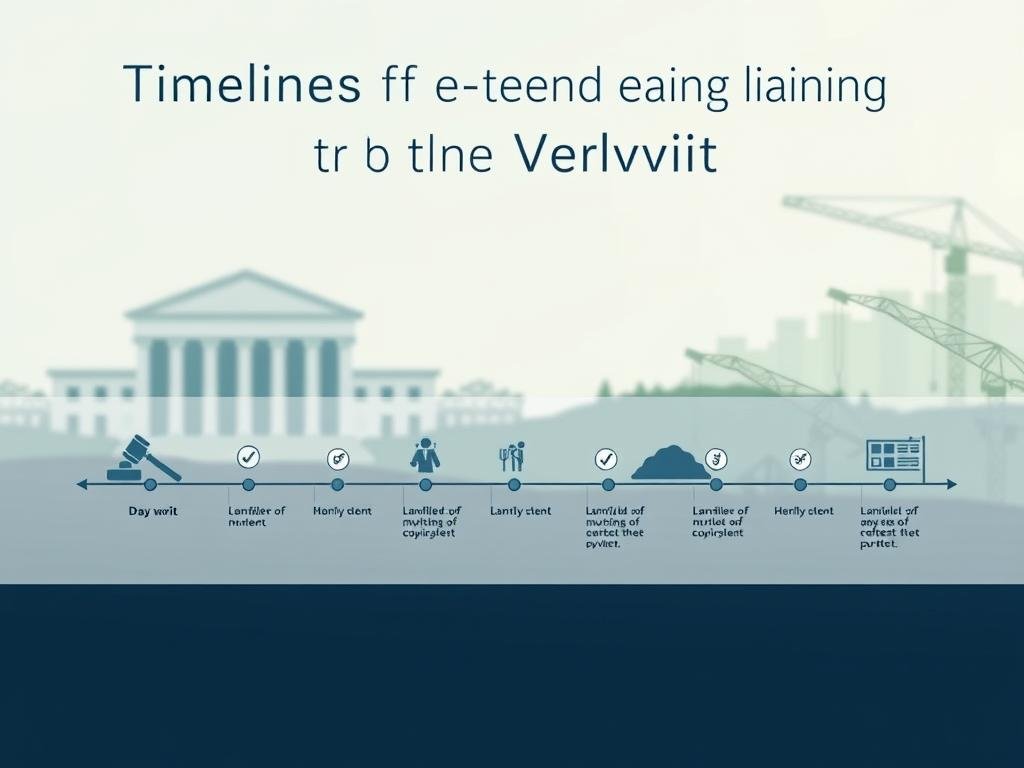
In Fleming Island, a clear timeline emerged as investigators traced a contractor dispute tied to a bathroom renovation. The sequence began with a $12,000 remodel dispute and unfolded over two critical days. It guided jurors through hour-by-hour movements and a swift missing person report.
Payment dispute over a $12,000 bathroom remodel
In 2018, a client hired a contractor for a bathroom renovation and paid $12,000. The bathroom was demolished, but work stalled. By late October 2019, the client ended the agreement and demanded a refund, highlighting the $12,000 remodel dispute.
Friends said the refund was expected on October 23. The contractor dispute remained unresolved, leading to the next morning’s events.
Oct. 24, 2019 movements: store purchase, home visit, app deactivation, landfill dump
Shortly after 7 a.m., a home improvement store transaction showed contractor demo bags and quick-drying concrete. Around 8 a.m., the contractor arrived at the residence. A school bus camera recorded a pickup backed into the driveway before 8:30 a.m.
At about 8:45 a.m., a location-sharing app was deactivated. Soon after, roughly 300 pounds of debris were taken to the Rosemary Hill Solid Waste Management facility and later routed to a Georgia landfill. Each step added weight to the timeline built around the contractor dispute.
Oct. 25, 2019: Missing person report and initial investigation
The next day, a friend contacted the Clay County Sheriff’s Office, prompting a missing person report and a welfare check at the home. Deputies documented the refund demand, the bathroom renovation history, and the unresolved contractor dispute in Fleming Island.
From that point, the timeline guided the initial investigation. It linked store records, driveway sightings, and disposal activity to the fast-developing case.
Key Evidence Presented by Investigators
The case record shows a tight chain of investigative evidence. This evidence includes retail data, video time stamps, and a coordinated landfill search. Detectives from the Clay County Sheriff’s Office and FBI documented the timeline. They traced purchases to movement and then to forensic recovery at a remote site.
Home improvement store records: contractor demo bags and quick-drying concrete
Receipts from a national home improvement chain show a purchase on Oct. 24, 2019. The purchase included contractor demo bags and quick-drying concrete. The timestamp links these items to the search later on.
School bus camera capturing the truck at the driveway
A school bus camera caught a truck backing into the victim’s driveway before 8:30 a.m. This video matches phone activity and a location-sharing app shutoff. It tightens the sequence of events.
Landfill tracking, waste isolation, and recovery of remains
Weigh-station logs show a 300-pound disposal at Rosemary Hill Solid Waste Management. Clay County loads were then moved to a Georgia site. There, teams isolated the relevant cell and started a large-scale landfill search.
On day nine, the effort reported forensic recovery of remains. They found bag fragments consistent with the purchased contractor demo bags. The documentation from the dig matched haul tickets and transfer records.
Financial discrepancies and stolen check after search warrant
Bank records show financial discrepancies. They include insufficient funds for a claimed $1,200 payment. After a search warrant, investigators found a stolen check written to the suspect. This adds to the paper trail.
| Evidence Source | Data Point | Relevance | Agency/Tool |
|---|---|---|---|
| Retail receipt | Purchase of contractor demo bags and quick-drying concrete | Links pre-incident procurement to materials found later | Clay County Sheriff’s Office; store POS logs |
| Video capture | School bus camera shows truck at driveway near 8:30 a.m. | Corroborates presence and timeline | District transportation camera system |
| Waste records | 300 lbs dumped; transfer to Georgia landfill | Creates disposal trail for landfill search | Facility weigh-in logs; haul and transfer manifests |
| Excavation notes | Forensic recovery of remains inside bag fragments | Ties materials to investigative evidence | FBI Evidence Response Team; medical examiner |
| Bank statements | Financial discrepancies and stolen check | Shows motive context and post-warrant conduct | Subpoenaed records; fraud analysis |
Prosecution Arguments and Aggravating Factors

Prosecutors said a heated payment dispute led to a premeditated murder. Susan Mauldin had threatened to call the police and an attorney. They pointed out the early-morning purchases, the home visit, and the trip to the landfill as evidence of intent.
The motive was financial gain from a $12,000 remodel. They also mentioned actions to avoid arrest, like turning off a location app and getting rid of heavy items. They said these actions showed careful planning.
Jurors learned about a prior felony conviction for aggravated battery with a gun at 17. Prosecutors used this to highlight aggravating factors. They mentioned store receipts and a school bus camera that placed the truck at the scene.
The state argued these points made him eligible for the death penalty. They connected the motive, means, and movement. They showed how purchases, video, app data, and landfill tracking supported a careful plan to silence a witness and erase evidence.
Defense Mitigation and Background Claims
The defense focused on mitigation, asking jurors to consider health and history before deciding on punishment. They highlighted a rough childhood and growing stress, leading to cocaine use before the crime.
Family history, childhood factors, and drug use
Attorneys talked about family instability and early violence exposure. They said these early years shaped his adult life. Family members mentioned times of sobriety and relapse, including cocaine use around the crime time.
The defense argued that these pressures affected his judgment. They asked the jury to see his past as context, not an excuse. They also pointed out how support systems failed him.
Neurologist testimony: concussions, brain scans, and CTE
A neurologist testified about the effects of concussions on his brain. They showed brain scans that matched CTE, a condition linked to mood and impulse issues.
The doctor talked about football injuries and head trauma over the years. The defense linked these to the man’s behavior changes seen by friends and coworkers.
Character statements from family and the plea for mercy
Family members wrote character statements about a caring father who encouraged education and work. They shared stories of kindness and a calming presence.
In the final plea, the defense asked for mercy. They urged jurors to consider trauma, medical findings, and family ties. They hoped for a punishment that reflects his full story.
Sentencing Recommendation and What Comes Next
The penalty phase ended with a clear outcome under Florida law. After long discussions, the jury made a recommendation. The court then set a date for the next step.
Jury split: seven for death, five for life without parole
Jurors took nearly five hours to decide. They voted 7–5, but needed eight for death. So, the outcome was life without parole.
The jury’s choice will guide the court’s final decision at the hearing.
State Attorney Melissa Nelson’s statement on mercy and service
In a statement, the State Attorney said jurors found serious factors but chose mercy. She thanked the panel for their service and respect for the law. Her words highlighted the serious nature of the decision.
Formal sentencing date and possible appeal by the defense
The court set the sentencing date for Oct. 29 before Judge Steven Whittington. The defense plans to appeal the first-degree murder conviction. After the judgment, the Department of Corrections will send the defendant to Florida State Prison.
| Key Point | What It Means | Next Step |
|---|---|---|
| Jury Recommendation | Split 7–5; threshold not met for death | Life without parole becomes the guiding outcome |
| Melissa Nelson Statement | Notes aggravation, emphasizes mercy and public service | State prepares for formal sentencing |
| Sentencing Date Oct. 29 | Final hearing before Judge Steven Whittington | Court pronounces sentence in open court |
| Appeal | Defense plans to challenge the conviction | Notice of appeal filed; case moves to appellate review |
| Custody | Transfer to Florida State Prison upon sentencing | Department of Corrections processes intake and placement |
Public Safety, Contractor Accountability, and Information Security Best Practices
Families can take steps to protect their homes and finances. These steps include contractor accountability and information security. They are easy to follow and don’t add extra hassle.
Vetting contractors: background checks, references, and written contracts
First, check if contractors are licensed and insured. Ask for three recent references and call them. Make sure you have a detailed contract that outlines the work, timeline, and payment plan.
Pay in stages, not all at once. Ask for receipts for materials and confirm their business address. These steps help ensure contractors are accountable and set clear expectations.
Digital safety in disputes: documenting communication and safeguarding data
Save all important messages and documents in a secure folder or cloud account. Turn off location sharing for people you don’t trust. Take photos and videos of work progress with dates.
If a problem comes up, have a record of all messages and calls. Limit who can access your shared drives. These steps help protect your data and keep evidence safe.
Insights from cybersecurity professional domains: information security, network security, and CISO-level best practices
Use cybersecurity strategies to protect your home. Limit who sees sensitive information. Use a password manager and multifactor authentication for online accounts.
Keep your Wi-Fi network secure by separating personal and smart tool profiles. Update your devices’ firmware and disable default admin accounts. These steps help prevent cyber attacks.
Applying IT security principles to personal records: reducing risk of data breach or cyber attack when sharing sensitive
When sharing personal info, redact unnecessary fields. Send files securely. Keep records separate to prevent a single breach from exposing everything.
Set up alerts for your bank and credit cards. Check your statements weekly. This approach keeps your data safe and supports clear, documented practices in contractor relationships.
| Goal | Action | Security Benefit | Accountability Boost |
|---|---|---|---|
| Verify legitimacy | Check licensing, insurance, and references | Reduces fraud risk and data breach exposure | Confirms identity and track record |
| Control payments | Milestone-based schedule in a written contract | Limits financial fallout in a dispute | Links work quality to release of funds |
| Protect records | Encrypted storage, multifactor authentication | Shields files from cyber attack and misuse | Creates a reliable audit trail |
| Limit exposure | Redact sensitive fields; share on encrypted channels | Minimizes it security impact if data leaks | Shares only what is necessary |
| Segment access | Separate network security profiles and user roles | Contains breaches to a small zone | Clarifies who can see what, and when |
| Monitor activity | Bank alerts and weekly reviews | Speeds detection of fraud | Supports timely dispute resolution |
Conclusion
The jury found Corey Binderim guilty in Susan Mauldin’s murder. They recommended a life sentence without parole. This case summary highlights the evidence used: contractor supply logs, a school bus camera, landfill searches, and financial discrepancies.
The verdict shows a careful look at the facts. It sets a high standard for accountability. Jurors considered both sides, including medical issues and family statements.
They thought deeply about the law, motive, and consequences. They also considered the impact on the community. Susan Mauldin was known for her kindness and British pride, leaving a lasting impact on Fleming Island.
The case teaches us important lessons for public safety. It’s vital to check contractors, keep records, and document all communications. These steps help protect us and aid in investigations.
Today, we also need to focus on cybersecurity. Keep sensitive files safe, use strong passwords, and share less online. By doing so, we honor Susan Mauldin’s memory and work towards safer communities.
FAQ
What is the headline of this case summary?
Guilty Verdict for Clay County Contractor in Incident With Client Found in Landfill.
What charges did the Clay County jury convict Corey Binderim of?
The jury found him guilty of first-degree murder, burglary, and tampering with evidence in the 2019 killing of Susan Mauldin.
Who prosecuted the case and which agencies investigated it?
Assistant State Attorneys Pam Hazel, Ashley Terry, and Dan Skinner from State Attorney Melissa Nelson’s office prosecuted the case. The Clay County Sheriff’s Office led the investigation with support from the FBI.
What is the penalty phase timeline and who is the judge?
The penalty phase began Oct. 16, 2024, before Judge Steven Whittington. Formal sentencing is set for Oct. 29.
What did the jury recommend for sentencing?
After nearly five hours of deliberations, the jury recommended life without the possibility of parole.
Who was Susan Mauldin and how is she remembered?
Susan “Sue” Mauldin was a 65-year-old British native and widow living on Fleming Island. Friends remember her as kind, generous, and full of life.
What activities and interests defined her community life?
She took part in the British Club, a garden club, and a knitting circle. She loved her cat, Jacksonville Jaguars football, gardening, and entertaining.
What did victim impact statements highlight?
Friends including Phyllis Yates and Christine Wright described lasting grief, unfinished plans, and a loss that leaves a permanent scar on the community.
What sparked the conflict between Mauldin and Binderim?
A ,000 bathroom remodel dispute. She fired him and demanded a refund, warning she would contact police and an attorney.
What key movements occurred on Oct. 24, 2019?
Binderim bought contractor demo bags and quick-drying concrete after 7 a.m., was seen at Mauldin’s home around 8:30 a.m., deactivated a location-sharing app about 8:45 a.m., and dumped about 300 pounds of debris at a county facility.
When was Mauldin reported missing?
On Oct. 25, 2019, after a friend alerted the Clay County Sheriff’s Office and mentioned the contractor dispute and refund demand.
What store records were central to the case?
Home improvement receipts documenting the early purchase of contractor demo bags and quick-drying concrete, supporting pre-incident planning.
How did video evidence factor in?
A school bus camera captured Binderim’s truck backed into Mauldin’s driveway shortly before 8:30 a.m. on Oct. 24.
How were Mauldin’s remains found?
Investigators traced Clay County waste to a Georgia landfill, isolated the cell, and recovered her skull and body parts inside demo bags during a multi-agency search in January 2020.
What financial evidence was presented?
Records showed insufficient funds for a
FAQ
What is the headline of this case summary?
Guilty Verdict for Clay County Contractor in Incident With Client Found in Landfill.
What charges did the Clay County jury convict Corey Binderim of?
The jury found him guilty of first-degree murder, burglary, and tampering with evidence in the 2019 killing of Susan Mauldin.
Who prosecuted the case and which agencies investigated it?
Assistant State Attorneys Pam Hazel, Ashley Terry, and Dan Skinner from State Attorney Melissa Nelson’s office prosecuted the case. The Clay County Sheriff’s Office led the investigation with support from the FBI.
What is the penalty phase timeline and who is the judge?
The penalty phase began Oct. 16, 2024, before Judge Steven Whittington. Formal sentencing is set for Oct. 29.
What did the jury recommend for sentencing?
After nearly five hours of deliberations, the jury recommended life without the possibility of parole.
Who was Susan Mauldin and how is she remembered?
Susan “Sue” Mauldin was a 65-year-old British native and widow living on Fleming Island. Friends remember her as kind, generous, and full of life.
What activities and interests defined her community life?
She took part in the British Club, a garden club, and a knitting circle. She loved her cat, Jacksonville Jaguars football, gardening, and entertaining.
What did victim impact statements highlight?
Friends including Phyllis Yates and Christine Wright described lasting grief, unfinished plans, and a loss that leaves a permanent scar on the community.
What sparked the conflict between Mauldin and Binderim?
A $12,000 bathroom remodel dispute. She fired him and demanded a refund, warning she would contact police and an attorney.
What key movements occurred on Oct. 24, 2019?
Binderim bought contractor demo bags and quick-drying concrete after 7 a.m., was seen at Mauldin’s home around 8:30 a.m., deactivated a location-sharing app about 8:45 a.m., and dumped about 300 pounds of debris at a county facility.
When was Mauldin reported missing?
On Oct. 25, 2019, after a friend alerted the Clay County Sheriff’s Office and mentioned the contractor dispute and refund demand.
What store records were central to the case?
Home improvement receipts documenting the early purchase of contractor demo bags and quick-drying concrete, supporting pre-incident planning.
How did video evidence factor in?
A school bus camera captured Binderim’s truck backed into Mauldin’s driveway shortly before 8:30 a.m. on Oct. 24.
How were Mauldin’s remains found?
Investigators traced Clay County waste to a Georgia landfill, isolated the cell, and recovered her skull and body parts inside demo bags during a multi-agency search in January 2020.
What financial evidence was presented?
Records showed insufficient funds for a $1,200 check Binderim claimed he gave Mauldin. After a search warrant, he stole a check from another client, wrote it to himself, and fled.
What were the prosecution’s main arguments?
They argued premeditated murder for financial gain and to avoid arrest, citing the timeline, concealment steps, and Binderim’s prior felony for aggravated battery with a gun.
What aggravating factors did the state cite?
Premeditation, pecuniary gain, avoidance of arrest, and a prior violent felony conviction.
What mitigation did the defense present?
They pointed to family mental health history, a difficult childhood, and cocaine use, framing stressors that influenced behavior.
What medical testimony did the jury hear?
A neurologist discussed brain scans and multiple concussions, opining that traumatic brain injuries led to CTE traits linked to impaired impulse control.
What character evidence was offered?
A written statement from Binderim’s adult daughters described him as a protective, loving father and asked the jury for mercy.
How did the jury split on the death penalty question?
Seven jurors favored death and five favored life, resulting in a recommendation of life without parole under Florida’s requirement of at least eight votes for death.
What did State Attorney Melissa Nelson say after the recommendation?
She noted the jury found aggravating circumstances but exercised mercy, and she thanked them for their service.
What happens next in the legal process?
Formal sentencing is scheduled for Oct. 29. A defense attorney told News4JAX they will appeal the first-degree murder conviction.
How can consumers vet contractors to improve safety and accountability?
Verify licensing and insurance, check references, run lawful background checks, demand detailed written contracts and payment schedules, and avoid large upfront payments.
What digital safety steps help during disputes?
Save texts, emails, and checks; back up copies to encrypted or access-controlled cloud storage; and disable location sharing with non-trusted parties.
How do information security and network security best practices apply at home?
Use least privilege for who can view sensitive data, enable strong authentication, segment devices or profiles for finances and home services, and share documents over encrypted channels.
How can CISO-level frameworks reduce risk of a data breach or cyber attack when sharing sensitive documents?
Minimize data exposure, redact unneeded fields, monitor financial accounts with alerts, and follow cybersecurity professional guidance on secure transmission and storage to maintain accountability in contractor relationships.
,200 check Binderim claimed he gave Mauldin. After a search warrant, he stole a check from another client, wrote it to himself, and fled.
What were the prosecution’s main arguments?
They argued premeditated murder for financial gain and to avoid arrest, citing the timeline, concealment steps, and Binderim’s prior felony for aggravated battery with a gun.
What aggravating factors did the state cite?
Premeditation, pecuniary gain, avoidance of arrest, and a prior violent felony conviction.
What mitigation did the defense present?
They pointed to family mental health history, a difficult childhood, and cocaine use, framing stressors that influenced behavior.
What medical testimony did the jury hear?
A neurologist discussed brain scans and multiple concussions, opining that traumatic brain injuries led to CTE traits linked to impaired impulse control.
What character evidence was offered?
A written statement from Binderim’s adult daughters described him as a protective, loving father and asked the jury for mercy.
How did the jury split on the death penalty question?
Seven jurors favored death and five favored life, resulting in a recommendation of life without parole under Florida’s requirement of at least eight votes for death.
What did State Attorney Melissa Nelson say after the recommendation?
She noted the jury found aggravating circumstances but exercised mercy, and she thanked them for their service.
What happens next in the legal process?
Formal sentencing is scheduled for Oct. 29. A defense attorney told News4JAX they will appeal the first-degree murder conviction.
How can consumers vet contractors to improve safety and accountability?
Verify licensing and insurance, check references, run lawful background checks, demand detailed written contracts and payment schedules, and avoid large upfront payments.
What digital safety steps help during disputes?
Save texts, emails, and checks; back up copies to encrypted or access-controlled cloud storage; and disable location sharing with non-trusted parties.
How do information security and network security best practices apply at home?
Use least privilege for who can view sensitive data, enable strong authentication, segment devices or profiles for finances and home services, and share documents over encrypted channels.
How can CISO-level frameworks reduce risk of a data breach or cyber attack when sharing sensitive documents?
Minimize data exposure, redact unneeded fields, monitor financial accounts with alerts, and follow cybersecurity professional guidance on secure transmission and storage to maintain accountability in contractor relationships.
Be the first to comment