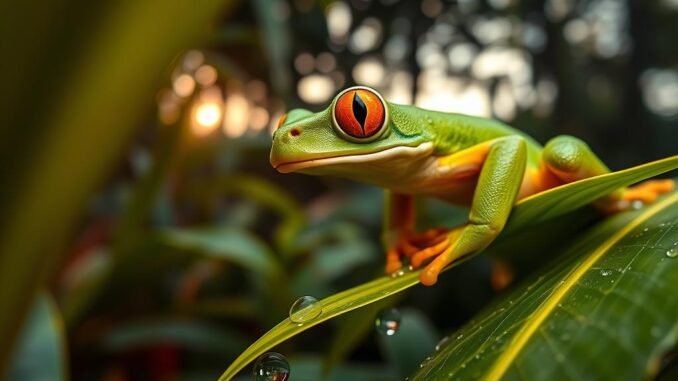

One female Cuban Frog can lay up to 1,000 eggs at once. This can quickly fill a backyard pond. They have been a problem in Florida for years.
In 2017, they were found outside Florida for the first time. This was near New Orleans and St. Rose. Now, the fight is to stop them from spreading further.
These frogs are moving with plants and cargo. They are found in garden centers and parking lots. They eat insects, small lizards, snakes, and native frogs.
Their loud calls can also harm local species at night. Tracking their spread is important for both the environment and homes.
The Cuban Tree Frog comes from Cuba, the Bahamas, and the Cayman Islands. They like warm, wet places from Miami to the Gulf Coast. They have also been spotted in Jamaica and Hawaii.
Early detection and quick action are key. Conservation groups are urging people to act fast.
This article talks about the dangers of their spread. It explains why it’s bad for native frogs and how to stop it. It gives tips for homeowners and how to identify them quickly.
Why Conservation Groups Are Sounding the Alarm on Cuban tree frogs
Wildlife teams across the Gulf Coast are sounding the alarm. The Cuban tree frog has spread far beyond its original home. It’s now found in new neighborhoods, wetlands, and shipping hubs.
This trend is a worry for field biologists. It puts native Florida tree frogs at risk.
Escalating reports in Florida, Louisiana, Georgia, and the Caribbean
In Miami-Dade, Tampa Bay, and Orlando, there are many sightings. These sightings match warm nights and summer rains. In Louisiana, New Orleans and St. Rose have seen them along transit corridors.
Coastal Georgia has new sightings tied to nursery stock. In Jamaica, biologist Damion Whyte has found them from St. Catherine to Clarendon. This includes fish farms and home windowsills.
How invasive populations displace native Florida tree frogs
The Cuban frog outcompetes native frogs for shelter and food. Their size and appetite pressure anoles and smaller frogs. This reduces local diversity.
High egg output means Cuban tree frogs have an advantage each wet season. This leaves fewer niches for native frogs.
This leads to fewer calls from native species at night. More sightings of the Cuban tree frog are seen. Communities lose the mix of frogs that once marked healthy yards and parks.
Early detection and rapid response as key strategies
Conservation groups push for quick action to stop Cuban frogs. They suggest night surveys around lights and regular checks of PVC refuges. Swift removals are needed where numbers are high.
Monitoring helps track spread and protect native frogs. Households can help by checking plants and outdoor gear. This slows the movement of tree frogs in shipments and vehicles.
Coordinated alerts keep data flowing. This gives managers time to act before populations surge.
Current Range Expansion Beyond Florida
The cuban tree frog is now found outside Florida. It has spread to the Gulf Coast and island arcs. Factors like nursery supply chains and warm spots help it move.
Movement patterns show a mix of local breeding and long-distance jumps tied to commerce. This explains how a single frog can start new areas. Urban ponds and gardens are key spots for these frogs.
First established populations outside Florida documented in New Orleans and St. Rose, Louisiana
In 2017, the U.S. Geological Survey found cuban frogs in New Orleans and St. Rose, Louisiana. These were the first sightings outside Florida. The frogs like urban areas with lots of shelter and plants.
Emerging records in coastal Georgia and transport via horticultural shipments
Coastal Georgia is seeing more frogs, thanks to shipments from big growers. These shipments hide frogs in tropical plants. Once in stores or homes, the frogs find water and debris piles.
Regional context: sightings in Jamaica and presence in Hawaii
In Jamaica, biologist Damion Whyte found frogs in St. Catherine and Clarendon. They were also in Hawaii, showing island networks can support many colonies. These sightings show how frogs move with humans.
| Region | Status | Key Entry Pathways | Typical Habitats Used | Notable Notes |
|---|---|---|---|---|
| New Orleans, Louisiana | Established | Nursery stock, cargo handling | Urban yards, canal edges, building crevices | First confirmed U.S. establishment beyond the cuban tree frog in florida footprint |
| St. Rose, Louisiana | Established | Horticultural shipments | Suburban landscapes, industrial corridors | Satellite cluster about 20 miles from New Orleans |
| Coastal Georgia | Emerging | Interstate plant trade | Garden centers, backyard ponds, storm drains | Records align with patterns seen in tree frogs in florida dispersal |
| Jamaica (St. Catherine, Clarendon) | Sighted | Local transport, cargo | Fish farms, neighborhoods like Palmer’s Cross and Four Paths | Public reporting aids mapping of the cuban tree |
| Hawaii | Present | Maritime and air cargo | Residential zones, ornamental plantings | Demonstrates island establishment outside mainland patterns of florida invasive frogs |
How to Identify Cuban tree frogs versus native Florida tree frogs
Field checks start with size, skin, and sound. People often look for a white frog Florida or a brown tree frog Florida on porch lights. Accurate cuban tree frog identification helps tell the invasive from a native florida tree frog.
Visual cue: Cuban Treefrogs (Osteopilus septentrionalis) are 1.5 to 3 inches long. Females are often bigger than males. They can change color to white, gray, green, or brown, with or without blotches.
Texture and build: Look for warty skin and sticky toe pads. The head is broad, and the body is bulky. This is different from a native florida tree frog, which is smaller and smoother.
Color variants: white frog in Florida, grey, brown, green with dark blotches
Color can be misleading. A white tree frog Florida might be a pet Australian species. A white cuban tree frog Florida blends into stucco walls. Brown forms can also be native, so check size, toe pads, and skin texture. For more guidance, see this Cuban treefrog ID resource.
Key traits: enlarged sticky toe pads, warty skin, larger females
Look for big round pads and a rough, warty look. Females are larger and may dwarf natives on the same wall. These clues help identify cuban tree frogs, even in poor lighting or when colors change after rain.
Look-alikes: white Cuban tree frog Florida vs white tree frog Florida vs brown tree frog Florida
Confusion peaks with pale animals. A white cuban tree frog Florida in a doorway might be invasive. A white tree frog Florida in a terrarium is often Litoria caerulea. Brown forms can look like natives, so compare size and toe pads. In cuban tree frog vs florida tree frog checks, behavior helps: invaders linger by porch lights and can show wall stains.
Call recognition: Cuban tree frog sound is a loud, hoarse “MRAAAAK”
At night and after heavy rain, the voice carries: a harsh, hoarse “MRAAAAK.” This single coarse note repeats at intervals. If a suspected white frog Florida or brown tree frog Florida stays silent, return after storms; the call often seals cuban tree frog vs florida tree frog decisions in the field.
Ecological Impacts on Native Wildlife and Soundscapes
The invasive cuban tree frog changes food webs and night sounds in neighborhoods and wetlands. It leads to fewer native florida tree frogs and small animals. This affects people who enjoy listening for frogs after summer rains.
Predation on beetles, roaches, small lizards, snakes, and other frogs
Adult cuban tree frogs hunt beetles and roaches, then go after small lizards, snakes, and other frogs. This hunting pressure reduces prey and the number of florida tree frog males calling. Backyard lights and feeders make it easier for them to find prey.
Tadpole competition with native Florida tree frog larvae
In ponds and ditches, tadpoles compete for food and shelter. Native florida tree frog larvae often lose out. This leads to fewer young frogs, weakening the wetland’s soundscape.
Soundscape dominance and masking of native calls
The cuban tree frog’s loud calls dominate the night. They mask the calls of florida tree frogs, making it hard for them to find mates or sense danger. This change affects how people and wildlife hear frogs in florida.
Consequences for mating, foraging, vigilance, and community composition
Masked calls disrupt courtship and make foraging riskier. Animals spend more time listening and less time eating. Over time, areas with cuban tree frogs may have fewer native frogs and a different mix of species.
Breeding Biology and High Fecundity
The cuban tree frog breeds for most of the warm season. This pattern helps it beat native florida frogs in many places. Its long breeding window and quick growth make it unique among tree frogs in florida.
Seasonality: March through October breeding peaks
In the Gulf Coast, cuban frogs start courtship in March. They call more after heavy rains, when temporary pools form and food is plentiful. In cuban frog florida hotspots, calling can go into October, keeping sounds loud and frequent.
This long season gives them more chances to mate and lay eggs. It also means more young frogs. This competition for shelter and food is tough for native florida frogs.
Clutch size up to 1,000 eggs and external fertilization
Dr. Steve Johnson at the University of Florida found that a female can lay up to 1,000 eggs at once. Males fertilize the eggs as they float near the surface vegetation.
Because of the large clutches and quick hatching under warm conditions, more juveniles enter the pool of tree frogs in florida each year. This efficiency boosts the number of young frogs.
How high fecundity accelerates spread and overwhelms native populations
High output, short generation times, and broad habitat tolerance let cuban frogs surge after each rain. Repeated clutches over months fill refuges before native frogs can recover.
As cuban frog numbers grow, competition for daytime hideouts and night foraging sites increases. This means fewer resources for local species and faster cuban frog florida population establishment.
| Breeding Factor | Cuban Tree Frog | Impact on Native Florida Frogs | Management Insight |
|---|---|---|---|
| Season Length | March–October with rain-driven peaks | Extended overlap increases call dominance and site use | Prioritize monitoring after storm fronts |
| Clutch Size | Up to 1,000 eggs; external fertilization | Rapid juvenile influx outnumbers local recruits | Target early-stage removal at breeding sites |
| Habitat Flexibility | Ponds, canals, birdbaths, and ornamental water features | Dispersal into neighborhoods pressures tree frogs in florida | Reduce standing water and cover near homes |
| Generation Turnover | Short time from eggs to breeding adults | Compounds yearly gains in occupied refugia | Increase frequency of post-rain surveys |
Human Health, Nuisance, and Infrastructure Concerns
Homeowners in the Gulf Coast area often deal with the cuban tree toad and its relatives. These frogs, also known as the cuban toad or cuban frog florida, can be seen at porch lights. It’s important to handle them safely and follow invasive species science advice.
Skin mucus irritation to eyes, skin, nose; potentially triggering asthma
Touching the skin mucus of the cuban tree toad can irritate your eyes, skin, and nose. Some people might wheeze or have asthma attacks after being exposed. To avoid this, wear gloves, don’t touch your face, and wash your hands after touching any cuban frog florida.
Nuisance issues: mess on walls, blocked drains, and short-circuiting utility switches
These frogs leave droppings on walls and windowsills. They can also get stuck in downspouts or AC condensate lines. In utility boxes, they might cause short circuits and trip equipment. This is similar to concerns about clogged plumbing and power issues in invasive species science.
Clarifying risks: poisonous white frog Florida myths vs real irritant concerns
When pale or white frogs in florida are seen, online searches for poisonous white frog florida and poisonous cuban tree frog florida increase. The frogs’ secretions can sting your skin and eyes. To stay safe, keep pets away, use gloves, and treat the cuban tree frog or cuban tree toad as a possible irritant, not a toxin.
| Concern | What People Notice | Practical Precaution | Why It Matters |
|---|---|---|---|
| Health Irritation | Stinging eyes, itchy skin, nasal burn | Gloves, eye protection, wash hands | Reduces exposure to mucus from cuban frog florida |
| Home Nuisance | Droppings on walls and patios | Rinse surfaces, seal gaps, manage lights | Keeps cuban toad activity away from doors and windows |
| Plumbing Issues | Blocked drains and downspouts | Install screens and check outlets | Prevents backups linked to white frogs in florida |
| Electrical Risk | Short-circuits in boxes | Weatherproof covers, routine checks | Helps avoid outages tied to the cuban tree toad |
Hotspots and Local Context in Florida and the Gulf Coast
Reports of cuban frogs in Florida often come from warm, wet areas. These spots have year-round cover, lighting, and water access. This helps people find where cuban frogs are most active and plan their watch efforts.
Where cuban frogs in Florida are most reported, including South Florida frogs
In urban and suburban areas, cuban tree frogs are often seen. Places like South Miami, Fort Lauderdale, Naples, and the Keys have many sightings. These frogs are drawn to porch lights, pool decks, and canal edges.
Landscaped neighborhoods, nurseries, and stormwater ponds also attract tree frogs. These areas have insects, which in turn attract more cuban frogs. This creates hotspots in blocks and cul-de-sacs.
Monitoring at Jean Lafitte National Historical Park and Naval Live Oaks
The U.S. Geological Survey set up automated recording units at Jean Lafitte National Historical Park and Preserve in southeast Louisiana. They also have units at the Naval Live Oaks Tract near Pensacola. These devices record nightly choruses and mark new frog arrivals after rain or warm fronts.
These stations help compare the timing and intensity of frog calls. Managers track when frog choruses rise above background noise. They also look for peaks that match neighborhood reports.
Community science reports: fish farms and residential areas
Community observations often start at fish farms, backyard ponds, and waterfront homes. These places have lights, pumps, and tanks that attract tree frogs.
Neighborhood apps and project hotlines note common perches like window ledges, mailboxes, and patio screens. This information helps target sampling in similar Gulf Coast sites.
| Hotspot Type | Typical Features | Why It Attracts Cuban Treefrogs | Local Examples | Seasonal Peak |
|---|---|---|---|---|
| Urban Suburbs | Porch lights, pool enclosures, hedges | Abundant insects and shelter near homes | Miami-Dade and Broward neighborhoods | Warm, rainy nights May–September |
| Nusery & Landscape Hubs | Potted plants, irrigation, shipping pallets | Moist cover and frequent plant movement | Garden centers across South Florida | Year-round with transport spikes |
| Fish Farms & Ponds | Aerators, tanks, steady water edges | Reliable prey and breeding access | Aquaculture sites and retention ponds | Post-storm weeks and warm spells |
| Protected Sites | Boardwalks, wetlands, night access controls | Acoustic monitoring and habitat mosaics | Jean Lafitte and Naval Live Oaks | Spring and late summer |
Conservation Monitoring and Removal Methods
Agencies and partners use simple tools and steady routines to curb cuban tree frogs across the Gulf Coast. They follow clear protocols for identifying cuban tree frogs in the field. This helps reduce harm to native species and track trends in florida invasive frogs.
Teams in New Orleans started removing cuban tree frogs in 2009. They do monthly surveys to catch these frogs by hand. Any cuban tree toad caught is humanely killed and saved for research.
Polyvinyl chloride refuge pipes are used to attract cuban tree frogs. These pipes are hung on trees and fences. They provide a cool, moist place for frogs to hide during the day.
Automated recording units are used at night to capture the cuban tree frog sound. This helps track breeding patterns and activity levels. It also shows how these frogs overlap with native species.
Programs track effort and outcomes in parallel. Teams record how many frogs are caught, call indices, and pipe occupancy rates. This data helps adjust strategies to keep progress steady.
| Method | Primary Goal | Key Metric | Adjustment Lever | Notes |
|---|---|---|---|---|
| Visual encounter surveys | Remove cuban tree frogs and verify presence | Catch per unit effort (captures/hour) | Survey timing, route length | Supports training in cuban tree frog identification and safe handling |
| PVC refuge pipes | Attract and capture cuban tree toad adults | Pipe occupancy rate (% pipes with targets) | Pipe density, height, microhabitat | Low cost; reduces disturbance to native species |
| Automated recording units | Track cuban tree frog sound and breeding phenology | Nightly call index and call minutes | Device placement, duty cycle | Early detection for florida invasive frogs across multiple sites |
| Data review cycles | Measure effectiveness over time | Month-to-month trend analysis | Adaptive scheduling and method mix | Integrates capture logs with acoustic data for stronger inference |
How to Get Rid of Cuban tree frogs in Florida: Ethical and Effective Steps
People in Florida want to know how to get rid of Cuban tree frogs without hurting native frogs. They also wonder if they should kill these frogs and what the law says. Here are steps that are both humane and effective.
Verification first: Cuban tree frog identification to avoid harming native Florida frogs
First, you need to know how to tell a Cuban tree frog from other frogs. Look for warty skin and big toe pads. They come in white, gray, brown, or green with dark spots. Their call sounds like a hoarse “MRAAAAK.”
Many ask about the difference between Cuban and Florida tree frogs. Native frogs are smoother and smaller. They have different calls. Always check carefully before taking action to protect native frogs.
Night surveys, glove use, and humane dispatch guidance
Best time to look for Cuban tree frogs is at night after it rains. Wear gloves and eye protection to avoid irritation. Use a flashlight to look in places where insects are found.
For those thinking about killing Cuban tree frogs, local wildlife agencies have guidelines. They suggest humane ways to dispatch them. Some programs even save frogs for research.
Exclusion and habitat modifications around homes and gardens
To prevent Cuban tree frogs, seal up gaps around your home. Turn off outdoor lights that attract insects. Trim back plants near your house and fix any moisture problems.
Also, cover drains and rain barrels to stop blockages. These steps help keep your area free from Cuban tree frogs by removing their food, water, and shelter.
When to call professionals for persistent infestations
If you can’t catch them all or they keep coming back, call a wildlife control service. They have the right tools and know the law. They also follow up to make sure the problem is solved.
This is a good option for those who can’t handle the problem themselves. It’s also useful for identifying Cuban tree frogs versus Florida tree frogs on a larger scale.
Public Reporting and Community Action
Quick reports help track the spread of the cuban tree frog in Florida. When people spot a frog in their yard, fish farm, or park, it guides where teams act first. This way, efforts can focus on areas with many invasive frogs, helping native frogs.
Why reports matter: mapping spread and guiding rapid response
Local tips show where cuban frogs move after storms or warm weather. Early reports help teams set up traps and recorders before breeding starts. This keeps native frogs safe in their homes.
What to capture: clear photos, location, date, and call recordings
Send clear photos of the frog’s toes and skin, along with where you saw it. Include the location, date, and time, and any audio of its call if you can. This helps identify the frog and understand its habits.
- Photo checklist: head profile, toe pads, body color, and any dark blotches
- Site details: GPS/address, habitat type, and nearby lights or water
- Media: 10–20 seconds of the call and a scale reference, like a coin
Coordination with local zoos, universities, and conservation groups
Share your reports with the U.S. Geological Survey and local herp groups. You can also contact the University of Florida and Zoo Miami. In Jamaica, biologist Damion Whyte showed how tips help track frogs. In the U.S., this teamwork targets surveys and removal efforts, protecting native frogs and controlling invasive ones.
Keywords, Myths, and Common Questions People Search
People often search for quick answers before acting. They want to know about cuban tree frog Florida issues. They also want to know how it differs from other tree frogs in Florida and what steps are allowed at home. The notes below group the most common topics so readers can move from confusion to informed choices.
Search intent terms
Most queries cluster around cuban tree frog florida, white frogs in florida, and cuban frog florida. Each phrase points to ID concerns and mix-ups with other species. Some people even ask about the cuban tree, which adds to the confusion because the animal is a frog, not a plant.
Searches also pull in the pet trade, where the starry night reed frog appears in posts and forums. That African species is a separate animal and is not the same as invasive tree frogs in florida.
Are they poisonous?
Many posts ask about poisonous cuban tree frog florida risks. The mucus can irritate eyes, skin, and nose. It may trigger asthma in sensitive people. It is wise to wear gloves, wash hands, and avoid touching the face after handling any frog.
Pets that mouth a frog may drool or paw at the face. Keep dogs and cats away and rinse with clean water if contact occurs. Seek veterinary advice if signs persist.
Should I kill them and how?
People search “should I kill Cuban tree frogs” and “how to kill tree frogs” when infestations grow. Rules vary by county and state. Local wildlife agencies offer humane steps, disposal guidance, and training. Following those instructions protects native species and avoids legal trouble.
For homeowners, verification comes first. If removal is allowed, use gloves, limit stress, and follow humane methods approved by agencies and research groups.
Cuban tree frog baby IDs
A cuban tree frog baby can show larger toe pads even at small sizes. Color varies from pale tan to green or gray, and tiny dark blotches may be present. Young frogs often rest on walls, porch lights, and rain barrels after warm nights.
They differ from native tree frogs in florida by their warty skin and the shape of their pads. Tadpoles develop fast and can outcompete native larvae. Learning these cues helps separate invaders from local species and avoids mistakes with similar-looking white frogs in florida.
| Query | What People Mean | Quick Clue to Check | Why It Matters |
|---|---|---|---|
| cuban frog florida | Identify the invasive species | Warty skin, enlarged sticky toe pads | Prevents confusion with native tree frogs in florida |
| white frogs in florida | White or pale frogs on walls and lights | Color alone is not enough; inspect toes and skin | Stops mislabeling pale natives as a cuban tree |
| poisonous cuban tree frog florida | Health risk to people and pets | Irritant mucus; use gloves, avoid face contact | Guides safe handling and reduces exposure |
| cuban tree frog baby | Juvenile identification at home | Large toe pads even when small; variable colors | Supports correct ID before any removal action |
| starry night reed frog | Pet trade species mixed into searches | Distinct African species; black with white spots in many morphs | Prevents false alarms about cuban tree frog florida |
Key takeaway for readers: clear IDs, safe handling, and local guidance reduce harm to people and protect native wildlife while addressing the spread of the cuban tree.
Conclusion
The Cuban Frog has become a bigger problem, moving from a local issue to a regional threat. It’s now found in New Orleans and St. Rose, and sightings are on the rise in coastal Georgia. Its spread to Jamaica and Hawaii shows how quickly it can move.
This frog eats many things, like beetles, roaches, small lizards, snakes, and other frogs. Its tadpoles compete with native frogs for food, and adults can lay up to 1,000 eggs at once. Their loud calls can also disrupt the natural sounds of the night, affecting other wildlife.
There are ways to fight back. Using surveys, refuge pipes, and recording units helps find and remove them early. These tools, combined with accurate identification and safe handling, help protect native frogs and slow the invasive frog’s spread.
Everyone can help. People can learn to identify the frog, record its calls, and share photos with details. Agencies can also expand monitoring efforts. Working together, we can protect our ecosystems from the Cuban Frog’s invasion.
Be the first to comment