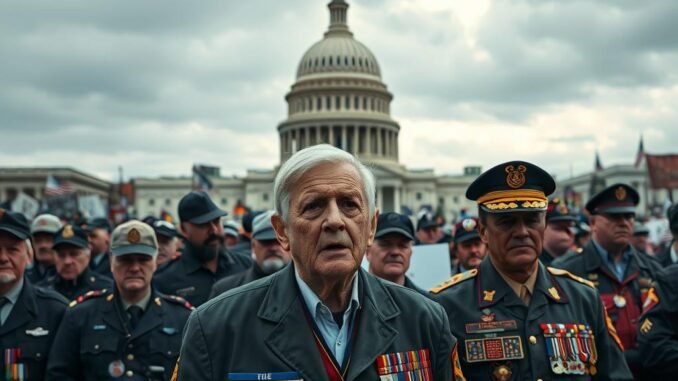

On one afternoon, nearly 60 people were arrested at the U.S. Capitol. This was a big increase that caught everyone’s attention. Among them was Gainesville’s 87-year-old John Spitzberg, a veteran of the Air Force. He was taken into custody near the Rotunda steps, where chants filled the air.
WCJB, NPR, and Getty Images captured the moment. The United States Capitol Police arrested people who crossed a line during a march. This march was to celebrate the U.S. Army’s 250th anniversary and President Donald Trump’s 79th birthday. Footage showed officers taking away a walker and zip-tying Spitzberg’s hands, showing how tense it got.
People said a bike rack was pushed, and the group moved forward. This led to quick action by the police. Agencies confirmed charges for unlawful demonstration and crossing a police line. Some faced more charges. The story quickly became popular, with keywords like “veterans arrested at capitol” trending.
The question is what made them risk arrest. Early reports suggest it was about power, public space, and dissent. The United States Capitol Police enforce the line, and protesters decide if they’ll cross it.
What happened near the U.S. Capitol during the veterans protest
Witnesses say the day started calmly but ended tense. A rally began, and arrests happened near the Rotunda steps. The march turned intense after police set limits and people pushed forward.
Peaceful gathering at the Supreme Court before the march
About 75 veterans gathered outside the U.S. Supreme Court. They wore Veterans Against Fascism shirts. The group listened to chants, speeches, and planned their march to the Capitol.
Leaders asked for a disciplined walk. The group moved steadily, focusing on their message. No fights or barrier tests were seen at this point.
Perimeter established and movement toward the Rotunda steps
As they approached the Capitol, officers set up a perimeter. This narrowed the path and steered the crowd toward the center. The atmosphere became tense but stayed controlled.
When 60 people moved toward the Rotunda steps, police told them to stay back. The crowd grew louder, and warnings became more urgent.
Bike rack pushed, police line crossed, and arrests initiated
Then, a bike rack was moved. Some crossed the police line and moved forward. Officers blocked the steps and started arresting people.
Capitol Police said about 60 were arrested. They were charged with crossing a restricted line. The scene was captured by onlookers and videos, sparking debate.
As arrests continued, the crowd’s mood changed. They started sharp chants. The event, which began peacefully, ended with arrests.
Gainesville veteran identified: who is John Spitzberg, 87
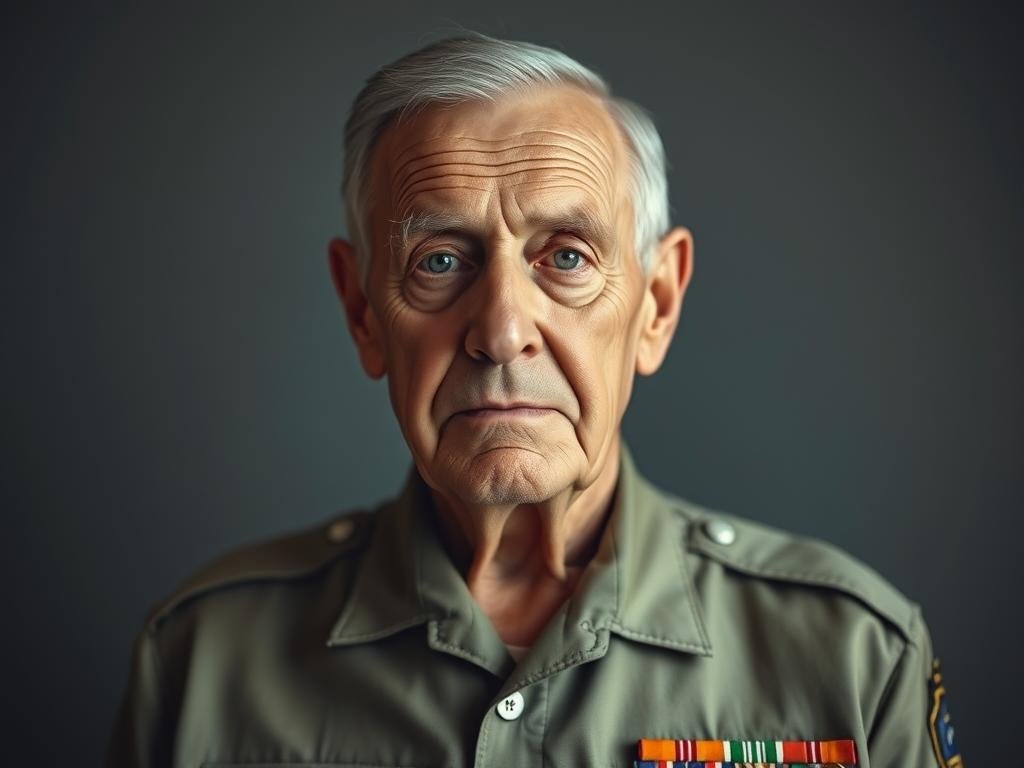
WCJB and national outlets identified the 87-year-old as John Spitzberg of Gainesville. His presence at the capitol veterans arrest drew attention because he used a rollator with wheels and a seat during the police action. This was part of a wider scene that saw servicemen arrested capitol amid tight security.
Army and Air Force veteran with decades of activism
Spitzberg served in both the U.S. Army and U.S. Air Force. He then spent years in public service as a teacher and paramedic. He showed up at Occupy Wall Street in Zuccotti Park in 2011 and traveled to Standing Rock in 2016.
He later helped Ukrainian refugees in Romania and spent more than two years in Vietnam assisting people affected by Agent Orange. His record of peaceful protest explains why the former soldiers capitol incident resonated with veterans nationwide. As NPR and Getty reporting note in an in-depth profile, he marched on the National Mall in March and returned in June, where veterans capitol charges followed mass detentions.
Health challenges and reliance on a rollator walker
Friends say he manages several disabilities that affect balance and endurance. The rollator helps him stand in crowds, rest when needed, and move with a steady gait. During the former soldiers capitol incident, witnesses saw officers handle the device as he was led away, a scene that underscored the strain older demonstrators face.
Even so, he kept pace with fellow veterans through long hours of chanting and movement. That resolve, set against the broader capitol veterans arrest, highlighted how older protesters navigate risk while asserting their rights.
Life in a Gainesville care facility and community support
Spitzberg lives in a Gainesville care facility, where neighbors check in and staff keep an eye on his mobility needs. After overnight transfers and booking, he returned to warm greetings and quiet applause in the lobby. Supporters said the servicemen arrested capitol episode only strengthened local networks around him.
He was in Washington, D.C., for a work reunion, but he chose to stand beside fellow marchers when the crowd moved toward the Capitol grounds. As veterans capitol charges were tallied, friends in Gainesville coordinated rides, meals, and follow-ups, ensuring he could rest and regroup before his next appointment.
| Age | Service Branches | Notable Activism | Health & Mobility | Residence & Support |
|---|---|---|---|---|
| 87 | U.S. Army; U.S. Air Force | Zuccotti Park (2011); Standing Rock (2016); Ukraine refugee aid; Vietnam Agent Orange relief | Multiple disabilities; relies on a rollator walker | Care facility in Gainesville; strong community backing after capitol veterans arrest |
| Detained Group Size | Context | Reason for D.C. Visit | Charges Reported | Follow-up |
| About 60 | Servicemen arrested capitol during a high-visibility protest | Work reunion; joined peers at the protest | Unlawful demonstration; crossing a police line tied to veterans capitol charges | Returned to Gainesville; community assistance and monitoring |
Why veterans marched: parade controversy and “No Kings” protests
Veterans gathered to protest a military parade near the Capitol. It was on Donald Trump’s birthday and the Army’s 250th anniversary. They wanted to show civic pride without politics.
Veterans for Peace and About Face: Veterans Against the War stood up for a cause. They wanted to show that helping communities is more important than military displays. They believed in peaceful protests, unlike some veterans who were arrested at the Capitol.
Opposition to the Army’s 250th anniversary parade
They saw the parade as a political show, not a celebration for the public. They believed it would hide real needs at home. They compared it to past events where veterans were charged with rioting at the Capitol.
Speakers talked about the high costs of the parade. They compared it to the need for housing and healthcare. They wanted to show that service should not be about grand displays.
Links to broader No Kings demonstrations nationwide
The protest was part of the “No Kings” movement across the country. Marchers wanted to show that the focus should be on equality, not on leaders. They mentioned past times when veterans were arrested at the Capitol.
Organizers planned rallies and teach-ins from coast to coast. They aimed to keep the message clear and nonpartisan. They believed avoiding arrests would help their message reach more people.
Criticism of politicization and resource use
Critics saw the parade as a political stunt, not a salute to the military. They feared it could be used for campaign purposes. This concern was linked to past cases where veterans were charged with rioting at the Capitol.
Advocates wanted to use the funds for food, clinics, and shelters. They believed this would honor taxpayers and veterans. They aimed to focus on policy, not just displays.
Inside the arrest: eyewitness reports, photos, and video
Eyewitness footage showed the tense moments near the Rotunda steps. The crowd pushed forward, and police formed a line. This scene quickly caught national attention, with arrests happening in front of many cameras.
Some capitol riot veterans stood with younger allies as officers ordered them back. Capitol Police said the group pushed a bike rack and crossed the barrier. Older demonstrators, including military vets, wanted to stay with their units.
Reporters tracked how veterans were separated and processed. Chants echoed across the plaza as they were taken away.
Viral footage of officers zip-tying Spitzberg’s hands
NPR video and wire photos showed an officer zip-tying John Spitzberg’s hands. The clip quickly spread on social media. People watched as the 87-year-old calmly turned his wrists behind him, even as chants continued.
Rollator walker removed and crowd reactions of “Shame!”
Images showed an officer wheeling Spitzberg’s rollator away. Another officer guided him toward vans. At first, the crowd cheered and chanted, “We won’t back down, we won’t retreat.”
But the mood quickly changed. A loud “Shame!” echoed as military vets were led out. Veterans arrested at capitol checkpoints were logged one by one.
On-the-ground accounts from reporters at the scene
Reporter Carolina Lumetta described officers moving Spitzberg back over the line. He returned with his walker as arrests continued. He told police he preferred to stand with protesters, accepting the cuffs.
After his release, journalist Chuck Modio asked about the moment. Spitzberg replied, “I’m just beginning, my friend.” This quote spread alongside recaps of capitol arrests across national outlets.
Charges and legal context for Capitol arrests
Capitol Police had a clear plan after the crowd moved toward the Rotunda steps. They said the group crossed a police line, leading to quick arrests. This situation drew attention because some arrested were veterans, raising questions about fairness.
First, people were charged with unlawful demonstration and entering a restricted area. As cases go to prosecutors, charges might change based on each person’s actions. The review is detailed, following federal rules.
Unlawful demonstration and crossing a police line
Police said detainees face two main charges: unlawful demonstration and crossing a police line. Footage shows a bike rack moved before the line was crossed. This is similar to other federal protest cases, showing a pattern in arrests.
Potential additional charges: resisting and assault on officers
There’s a chance for more charges, like resisting arrest and assaulting a police officer. If cameras show physical contact or refusal to follow orders, prosecutors might add these charges. This could make the charges against veterans more serious.
Capitol Police stance amid a heightened threat environment
The U.S. Capitol Police are strict in their enforcement to protect Congress. They say they’re in a high-threat environment and must keep areas secure. This approach guided their actions during the event and will influence future cases.
| Charge Category | Core Elements | Typical Evidence | Possible Outcomes |
|---|---|---|---|
| Unlawful Demonstration | Protesting without authorization on restricted grounds | Permits, police orders, location logs | Citation, fine, probation |
| Crossing a Police Line | Entering a secured zone after clear warnings | Video of barriers, officer testimony | Misdemeanor charge, court appearance |
| Resisting Arrest | Refusing commands or pulling away during detention | Body-cam footage, arrest reports | Additional misdemeanor, higher fines |
| Assault on an Officer | Physical contact or attempted harm to police | Injury reports, medical records, video | Potential jail time, enhanced penalties |
Voices from the ground: statements from veterans and organizers
Veterans on the plaza shared their reasons for being there. They described a peaceful march that turned into a protest after police blocked their path. They said this moment highlights the impact of policy choices, not just one day’s events.
Veterans for Peace and About Face: organizing goals
Members of Veterans for Peace and About Face: Veterans Against the War had a clear goal. They wanted the military off city streets and focused on people’s needs. They saw their protest as disciplined, nonviolent, and rooted in service.
They believed public displays could politicize the military. They pointed out the harm caused when resources are spent on spectacle instead of community needs. Their message linked the arrests to a broader effort to de-escalate and invest in the community.
“We won’t back down” chants and veteran solidarity
A steady chant rose through the crowd: “We won’t back down, we won’t retreat!” Many wore shirts reading Veterans Against Fascism. They formed buddy teams, kept tight spacing, and watched for mobility needs.
Witnesses said the rhythm held even as arrests began. For many, the chant marked a shift from military duty to civic duty. It showed how an arrested veterans demonstration can channel discipline into collective care.
Calls to redirect funds to housing, health care, and food
Speakers called for budgets that prioritize basic needs first. They urged Congress to direct dollars toward housing, clinics, and nutrition programs. They tied these demands to families in cities from Los Angeles to Washington, D.C.
Advocates said veterans protest arrests underscored their claim: policy must serve people before pageantry. In their view, the army vets capitol protest squad used its voice to push a simple test—feed, heal, and house before anything else.
Spitzberg’s perspective after release
John Spitzberg spoke softly but with resolve hours after his release. He had spent about 12 hours in custody, part of a day filled with veterans arrested at the capitol. His story adds a personal touch to the former soldiers capitol incident, shedding light on recent capitol arrests veterans.
“I had to be with my brothers and sisters”
He explained his reason for crossing the line: to stand with fellow protesters. He felt compelled to act when others were in trouble, drawing from his years of service and advocacy. This moment, now linked to a capitol veterans arrest, weighed heavily on him as he spoke about duty and witnessing.
Emotional return to Gainesville care home
Back in Gainesville, staff and residents welcomed him with hugs. Some cried as they wheeled him inside, noting his use of a rollator. He thanked them and reflected on the debate’s impact, highlighting the concern for veterans arrested at capitol and the broader incident.
“I’m just beginning”: commitment to continued activism
Spitzberg plans to rest, then continue supporting Veterans for Peace and younger organizers. He aims to focus on policy, not personalities, and the impact of capitol arrests on public trust. He called the arrest a painful sight for veterans, vowing to keep working as long as his health permits.
| Key Moments | Spitzberg’s Words | Context | Relevance |
|---|---|---|---|
| Crossing the barrier | “I had to be with my brothers and sisters.” | Entered the area as tensions rose and arrests began | Ties his choice to solidarity and service |
| Time in custody | About 12 hours before release | Transfer among holding facilities | Reflects wider processing during capitol arrests veterans |
| Return to Gainesville | Embraced by residents and staff | Rollator in use; emotional scene | Human impact of the former soldiers capitol incident |
| Future plans | “I’m just beginning.” | Support for Veterans for Peace and younger activists | Ongoing response to veterans arrested at capitol |
| Core message | Focus on goals, not personalities | Critique of parade and resource use | Frames the meaning of a capitol veterans arrest |
Context and comparisons: capitol arrests veterans in recent demonstrations
In recent months, capitol arrests veterans happened during peaceful protests. These protests aimed to stop a military parade and use funds for social needs. Police used bike racks and gave warnings before making arrests.
Photos of veterans sitting or holding hands went viral online. This made people see the arrests in a different light, considering the veterans’ needs. It changed how we view veterans arrested at capitol compared to other events.
Capitol Police said they had to protect Congress due to a high threat level. They arrested people for illegal demonstrations and crossing lines. Some resisted police, but officials followed strict arrest procedures for capitol riot veteran detainees and others.
Veterans who participated in sit-ins felt a moral duty. They wanted to highlight important issues like healthcare and housing. This made their actions stand out from other protests.
| Aspect | Veterans-Led Sit-Ins | Other Capitol Incidents | Shared Legal Elements | Notable Public Impact |
|---|---|---|---|---|
| Primary Tactics | Seated protests, locked arms, compliance after warnings | Mixed conduct, from rallies to chaotic surges | Unlawful demonstration; crossing police lines | Empathy toward veterans arrested at capitol |
| Police Procedure | Perimeter, bike racks, line read-outs, zip-ties | Rapid crowd control, dispersal tools as needed | Detention protocols for capitol riot veteran detainees | Viral clips highlighting restraint and process |
| Stated Goals | Demilitarization; fund shifts to social needs | Varied, often broad political grievances | Standard charging language | Clear messaging compared with wide-scope actions |
| Charging Patterns | Unlawful demonstration; line crossing; occasional resisting | Can include property and assault counts in some cases | Applies to veterans charged capitol riot and others | Debates over proportionality and precedent |
| Narrative Framing | Service-linked duty and solidarity | Partisan or issue-specific narratives | Comparable statutes for capitol arrests veterans | Strong audience response to veteran imagery |
Conclusion
The day ended with veterans protest arrests that drew national attention. It highlighted how dissent unfolds in Washington. John Spitzberg, 87, from Gainesville, was among 60 detained after a police line was breached.
He was charged with unlawful demonstration and crossing a police line. Others faced resisting arrest and assault on an officer. This showed how quickly a tense scene can turn from chants to custody.
Organizers tied the moment to the “No Kings” actions, which challenge military symbols. Viral video showed officers zip-tying hands and removing a walker. This fueled debate over protest rules and policing.
Supporters said veterans were exercising First Amendment rights. Critics worried about safety when barriers are pushed and orders ignored.
Spitzberg’s words—“I had to be with my brothers and sisters” and “I’m just beginning”—showed his resolve. His return to a Gainesville care home showed community care and the costs of civil disobedience.
This capitol veterans arrest raised big questions. How to balance security and speech? What do civic rituals mean? Should parade dollars fund housing, health care, and food?
As the legal process moves ahead, the story remains fluid. Court filings, new video, and organizer statements will shape what comes next. What is clear is that these arrests turned a local veteran’s stand into a national conversation.
This conversation tests the lines between duty, dissent, and public trust.
Be the first to comment