
Did you know that without Social Security, 37.3% of older adults would live in poverty? But with it, that number drops to just 10.1%. This is thanks to the Center on Budget and Policy Priorities. Over 68 million people count on these monthly checks.
When people ask which president borrowed the most from social security, it’s serious. The program works by buying special Treasury securities with payroll tax surpluses. This has been the rule for every president and Congress from 1983 on.
Claims that a president took money from social security are often wrong. The funds grow interest and are used to pay benefits when needed. The 2025 Trustees Report warns of insolvency in 2033 and a 23% benefit cut if Congress doesn’t act. Knowing how the system works helps us understand who used the most and why.
Understanding how Social Security funding and “borrowing” actually work
Social Security follows rules made by Congress. This makes questions about borrowing from Social Security seem simple. But, the program’s money flow has strict steps to track every dollar.
How payroll taxes flow into the Trust Funds
Workers pay 6.2% of their wages, and employers match it. These taxes go to the Old-Age and Survivors Insurance (OASI) and Disability Insurance (DI) Trust Funds. Income from taxes on some benefits and interest on reserves add to the total.
When more money comes in than is spent, the extra goes to the Trust Funds. The law doesn’t let this money just sit. It’s invested to keep its value and earn interest.
Special‑issue Treasury securities and why they exist
Every surplus must be invested in special‑issue Treasury securities. These bonds are safe, guaranteed, and only for the Trust Funds. They protect value and offer a steady return.
When Treasury issues these bonds, the money goes to the General Fund. This is used for government expenses. This process often raises questions about borrowing from Social Security. But, it follows the same law under every president.
Redemptions, interest, and why “raid” claims are misleading
When benefits are paid, Treasury redeems bonds at face value and pays interest from the General Fund. Maturities can last up to 15 years. Interest over time makes up for the use of surplus cash. These steps are tracked in official accounts.
Because of the law, “raid” claims are off the mark. The system is set up to lend and repay within federal rules. Debates over who first borrowed from Social Security often confuse routine investment with discretionary choices by a president.
Social Security Trust Funds 101: OASI, DI, and the role of Treasury
Social Security has two special accounts at the Department of the Treasury. They pay out monthly benefits to millions and invest any extra money. Knowing how they work helps clear up debates about borrowing from Social Security.
What the Trust Funds cover and who benefits
The Old‑Age and Survivors Insurance Trust Fund helps retired workers, spouses, and children. The Disability Insurance Trust Fund supports disabled workers and their families.
Money comes from a 6.2% tax on employee payrolls, matched by employers. There are also taxes on benefits and interest on invested money. These funds keep working, even with public debates about borrowing.
Required investment in special‑issue securities
When there’s more money than needed, the Trust Funds invest in special Treasury bonds. These bonds are unique to Social Security. They’re backed by the U.S. government, earn interest, and can be used to pay benefits.
Treasury manages these bonds, moving money as needed. This explains why debates about borrowing are really about following the law.
Annual Trustees Reports and the latest insolvency timeline
The Board of Trustees reports to Congress every year. The 2025 report says the funds will run out in early 2033. After that, they’ll only cover about 77% of benefits without action.
Lawmakers can fix this by raising taxes, changing benefits, or adjusting retirement ages. The report focuses on cash flows and investments, not borrowing by presidents.
| Trust Fund | Primary Beneficiaries | Main Revenue Sources | Investment Rule | Treasury’s Role | Key Timeline Insight |
|---|---|---|---|---|---|
| OASI | Retirees, spouses, children, survivors | 6.2% employee + 6.2% employer payroll tax; taxes on benefits; interest | Surpluses must buy special‑issue Treasury securities | Issues, credits interest, redeems securities to pay benefits | Projected depletion: early 2033 (combined outlook) |
| DI | Disabled workers and family members | Payroll taxes; taxes on benefits; interest on reserves | Same special‑issue requirement under federal law | Channels cash via the General Fund when securities are redeemed | Post‑2033, about 77% of benefits payable without new legislation |
Origins of Social Security: Roosevelt’s New Deal and early payouts
Franklin D. Roosevelt started Social Security as a key part of the New Deal. It was a simple deal between workers and retirees. It aimed to send out small monthly checks as the country got over the Great Depression.
Questions like who was the first president to dip into social security, first president to borrow from social security, and which president first borrowed from social security often appear in this story. But the early years were mostly pay-as-you-go.
1935 Social Security Act and 1940 benefit start
Roosevelt signed the Social Security Act in 1935. Workers started paying payroll taxes on January 1, 1937. Monthly benefits began on January 1, 1940, after a brief phase-in.
This timeline is key to later debates about who was the first president to dip into social security and which president first borrowed from social security.
How pre‑1940 collections financed initial benefits
From 1937 to 1939, workers and employers paid in before anyone got a monthly check. These payments funded the first wave of benefits in 1940. It worked like an early pay-as-you-go model, not a cash raid.
This context is important when people ask about the first president to borrow from social security.
Ida May Fuller: the first monthly retiree beneficiary
Ida May Fuller of Ludlow, Vermont, was the first to get a monthly check. She paid $24.75 in payroll taxes and got her first check for $22.54 in January 1940. She lived to 100 and collected $22,888.92 over her lifetime.
Her story shows how small early contributions quickly turned into real retirement security.
Measuring “borrowing”: why totals track overall surpluses and deficits
Before the 1983 reforms, Social Security mostly covered current benefits with current taxes. Only small surpluses were used. Later, bigger surpluses were invested in special Treasury securities.
Redemptions flowed through the General Fund. Debates over who was the first president to dip into social security, which president first borrowed from social security, or the first president to borrow from social security often mirror the size of surpluses and deficits.
| Milestone | Year | Key Details | Relevance to “Borrowing” Debates |
|---|---|---|---|
| Social Security Act signed | 1935 | Franklin D. Roosevelt establishes the program under the New Deal | Starts the framework later linked to questions about who was the first president to dip into social security |
| Payroll tax collections begin | 1937 | Workers and employers start paying FICA contributions | Pre-benefit inflows fund initial payments; not evidence of the first president to borrow from social security |
| Monthly benefits start | 1940 | First checks issued to retirees, including Ida May Fuller | Demonstrates pay-as-you-go timing behind claims about which president first borrowed from social security |
| Early population aging context | Late 1930s–1940 | About 7.5 million Americans were 65+, a smaller share than today | Smaller retiree pool limited surpluses, shaping later “borrowing” narratives |
Money borrowed from Social Security by year: how surpluses were invested
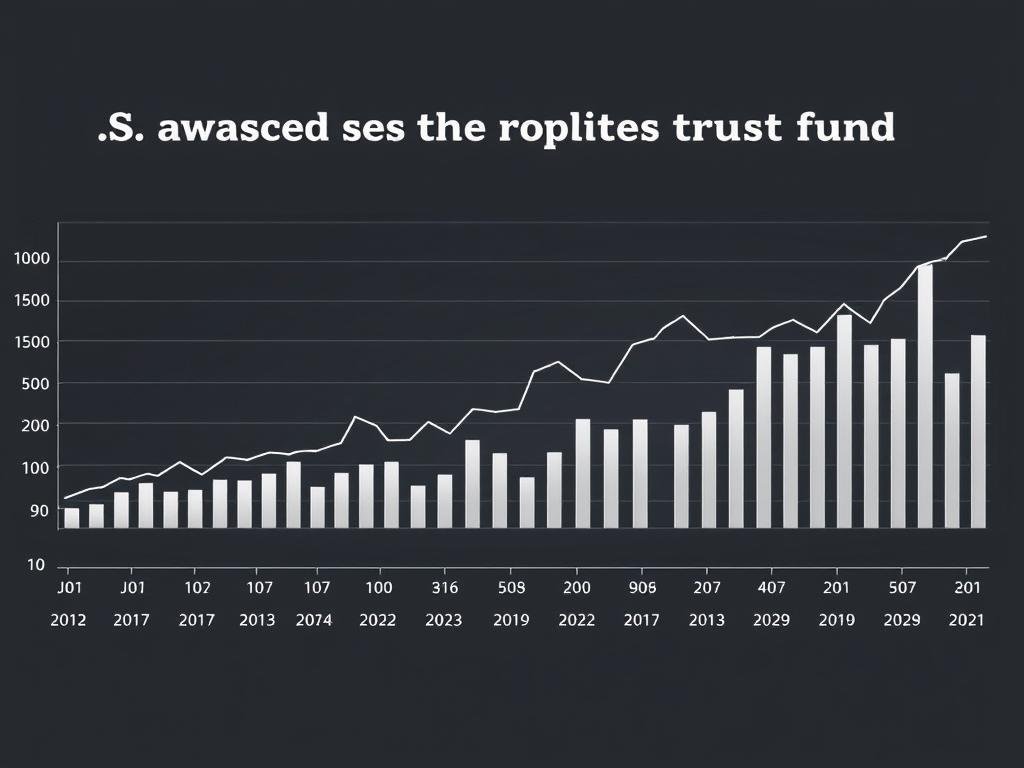
After 1983, the Trust Funds got annual surpluses. These were invested in special Treasury bonds. This is how we track the borrowing from Social Security each year.
People often wonder which administration or president borrowed the most. The answer isn’t just about a single decision. It’s about when surpluses were high and when they were used to pay benefits.
Post‑1983 surplus accumulation and special‑issue bonds
Congress and President Ronald Reagan made changes in 1983. They raised payroll taxes and increased the Full Retirement Age. These moves led to sustained surpluses.
The Treasury issued special bonds to the Trust Funds. It used the cash for government needs. The funds held the bonds as assets.
In the late 1980s, 1990s, and 2000s, the balances grew to about $2.9 trillion. This period shows the net additions of bonds each year.
Interest credited to the Trust Funds and future benefit payments
Each bond earns interest set by law. This interest is added to the Trust Funds. It helps grow reserves when payroll taxes alone can’t cover costs.
Interest earnings, worth hundreds of billions, helped bridge gaps as the population aged. This is key to understanding which administration borrowed from Social Security. It shows long-term policy, not just a single year’s budget.
When redemptions began and what changed in 2020
As costs grew, the Treasury started redeeming bonds. This change happened around 2020. Redemptions helped pay scheduled benefits.
After 2020, the pattern changed. Money borrowed from Social Security was used to repay bonds. This answers which president borrowed the most in terms of when surpluses were issued and repaid.
Did presidents take money from Social Security? Myths versus mechanics
Voters often wonder which president took money from social security. The system is more complex than it seems. Social Security has its own Trust Funds, not the White House’s money.
The key move is how payroll tax surpluses are invested. When workers and employers pay FICA taxes, the Trust Funds buy special‑issue Treasury securities. This cash then goes to the U.S. Treasury’s General Fund, which pays many federal bills. This flow leads some to ask which presidents borrowed from the social security fund, but the bonds are legal, interest‑bearing, and must be repaid.
Congressional budgeting, the General Fund, and appropriations
The president proposes a budget, but Congress writes and passes appropriations. Payroll taxes bypass annual appropriations and are credited to the Trust Funds by law. When the Trust Funds invest in special‑issue Treasuries, Treasury places the cash in the General Fund, which reduces the need to borrow from the public that day.
That accounting invites the debate over which president took money from social security. In practice, no administration can divert Trust Fund assets for other uses without issuing those obligations. The Trust Funds hold bonds backed by the full faith and credit of the United States, and benefits are paid by redeeming those bonds as needed.
Why “plundering” narratives persist and what the law requires
People hear that Washington “spent the surplus” and wonder what president borrowed from social security. Spending does rise and fall with Congress’s choices, and the General Fund uses cash from bond sales. Yet, statutes require the Trust Funds to earn interest and to be repaid at maturity.
Claims about which presidents borrowed from the social security fund often ignore this requirement. The system functions like internal federal borrowing: the Trust Funds lend, the Treasury pays interest, and redemptions cover monthly checks when payroll taxes are not enough.
How COLAs, taxes on benefits, and coverage changes affect solvency
Solvency moves with policy. Automatic cost‑of‑living adjustments began under Richard Nixon in 1972, protecting benefits from inflation. Taxes on benefits were added in 1983 under Ronald Reagan and expanded in 1993 under Bill Clinton, channeling revenue back to Social Security and Medicare.
- Coverage expanded under Harry Truman and Dwight Eisenhower, bringing more workers into the system and broadening the tax base.
- Interactions with Medicare, including changes enacted under later presidents, influenced financing dynamics and beneficiary costs.
- Rules like the Windfall Elimination Provision and Government Pension Offset, along with their 2025 repeal, shift who pays and who receives, altering long‑term projections.
These levers explain why debates over which president took money from social security often miss the point. The bigger drivers of the Trust Funds are benefit formulas, coverage, payroll tax inflows, and interest on those special‑issue bonds—not a single president’s ability to “raid” the program.
Which administration borrowed from Social Security: from Reagan to today
Many wonder which administration took money from Social Security. The truth is in the law, not secret deals. Starting in 1983, extra money from payroll taxes went into the Social Security Trust Funds. It was invested in special Treasury securities.
Greenspan Commission outcomes: higher payroll taxes, rising FRA
In 1981–1983, the National Commission on Social Security Reform, known as the Greenspan Commission, made key changes. President Ronald Reagan signed these changes into law. They included higher payroll taxes and a gradual increase in the full retirement age from 65 to 67.
These reforms led to steady surpluses. The Trust Funds invested this money in special Treasury bonds. This means no president directly borrowed from Social Security after 1983. The system was set up to invest in Treasuries, no matter who was president.
How every administration relied on trust‑fund investments
From Reagan to Biden, each president followed the same rules for the Trust Funds. During good years, the Trust Funds bought Treasury bonds. In tough years, Treasury paid back those bonds with interest.
So, talking about which presidents took from Social Security is about standard operations, not special actions. A 1990 law by George H.W. Bush made Social Security separate from budget targets. It also added more workers to Social Security, keeping the investment rules the same.
Separate roles: presidents propose, Congress disposes
Presidents can suggest taxes and spending. But Congress makes the laws. Treasury then carries out these laws by managing the Trust Funds’ securities. This explains why it’s a regular process, not a personal choice.
The General Fund’s use of Trust Fund money comes from law and the federal government’s cash flow. So, asking which president took from Social Security points back to the 1983 changes and budget rules, not a single president’s decision.
Case study: George W. Bush and claims about financing tax cuts and war
George W. Bush is often at the center of debates about borrowing from Social Security. People wonder which president borrowed the most. A key fact is that Social Security surpluses must be invested in special Treasury securities. This rule applied during Bush’s time, just like before and after.
PolitiFact on the $1.37 trillion claim and why it’s mostly false
In 2009, economist Allen W. Smith claimed Bush used $1.37 trillion from Social Security for tax cuts and the Iraq war. PolitiFact said this claim was mostly false. It said the figure was too high and mixed up required investments with borrowing.
Approximate trust‑fund asset increases during the Bush years (~$708B)
From 2001 to 2009, the trust funds grew by about $708 billion. This increase came from payroll tax surpluses and interest on special Treasuries. It shows Bush followed the same rules as other presidents.
Why “not paid back” is incorrect: maturities and 2020 redemptions
Special-issue securities last up to 15 years and are guaranteed by the U.S. government. As benefits grew, the Treasury started redeeming bonds and interest in 2020. This clears up the idea that funds were never repaid, showing Bush’s borrowing was through investments, not a one-time raid.
Understanding the bigger picture is key when asking which president borrowed the most from Social Security. The interest credited to trust funds is part of normal financing, not a loophole. This process has happened across administrations. So, when looking at what presidents borrowed, we must see how surpluses were invested in securities and later redeemed to fund benefits.
Expansions and safeguards: key presidential changes shaping today’s program

Over eight decades, presidents have made big changes to Social Security. They have expanded coverage, stabilized finances, and linked it to health care. These actions have shaped today’s rules and benefits.
They have also sparked debates about who first borrowed from Social Security. This includes questions about which president took money from it and when.
Truman, Eisenhower, Kennedy, Johnson: coverage and Medicare/Medicaid
Harry Truman’s 1950 amendments brought millions more into Social Security. He also raised benefits and extended it to Puerto Rico and the U.S. Virgin Islands. Wartime wage credits helped veterans qualify too.
Dwight Eisenhower added self-employed farmers and domestic workers in 1954. He also created the disability freeze and broadened disability coverage in 1960. That year, the Kerr-Mills program laid the groundwork for Medicaid.
John F. Kennedy opened early retirement at 62 for men in 1961. He raised minimum benefits, bringing more people into the program. Lyndon Johnson’s 1965 amendments launched Medicare Parts A and B and created Medicaid, with Truman receiving the first Medicare card.
Nixon’s COLA and SSI, Carter’s 1977 fix, Reagan’s 1983 overhaul
Richard Nixon enacted a 20% benefit hike in 1972. He added automatic COLAs and created federal Supplemental Security Income for aged, blind, and disabled recipients. COLAs tied benefits to inflation, influencing long-term costs.
Jimmy Carter’s 1977 law fixed an actuarial flaw, producing the “notch” cohort. It also added the Government Pension Offset, later repealed in 2025. These guardrails supported solvency and addressed fairness concerns.
Ronald Reagan’s 1983 reforms raised payroll taxes and increased the full retirement age to 67. He aligned self-employment taxes, taxed up to 50% of benefits, and introduced the Windfall Elimination Provision. This era often fuels claims about which president took money from social security, yet the law required investing surpluses in special-issue Treasury bonds.
Clinton benefit taxation, Bush’s Medicare Part D, Obama IRMAA expansion
Bill Clinton’s 1993 law taxed up to 85% of benefits for higher-income retirees. He later signed changes affecting disability related to addiction and ended the Retirement Earnings Test at and above the full retirement age.
George W. Bush created Medicare Part D in 2003 and rebranded Medicare+Choice as Medicare Advantage. He introduced income-related premiums for Part B. Barack Obama expanded those income-related premiums to Part D in 2010 and signed a law halting benefits to prisoners. These actions refined financing and eligibility, separate from debates over who was the first president to borrow from social security.
Recent changes: repeal of WEP/GPO under the Social Security Fairness Act
Donald Trump’s 2020 CARES Act temporarily deferred certain payroll taxes and paused some offsets while preserving trust-fund accounting. In 2025, Joe Biden signed the Social Security Fairness Act, repealing WEP and GPO for about 3.2 million people with adjustments back to January 2024.
Across these steps, the system gained broader coverage, automatic adjustments, and clearer financing rules. These reforms show how policy, not politics, set the stage for discussions about which president started borrowing from social security or which president took money from social security within statutory requirements for trust-fund investments.
when did the government start borrowing from social security
Many people wonder when the government started borrowing from social security. They also ask what this means. It’s about the Trust Funds investing in Treasury securities, not taking cash without paying back.
Questions pop up about which president started borrowing from social security. This is because these investments seem like loans to the U.S. Treasury.
From inception to 1983: limited surpluses, pay‑as‑you‑go dynamics
From 1937 to the early 1980s, payroll taxes mostly covered current benefits. Small reserves were built, but the system was pay-as-you-go. Before monthly checks started in 1940, workers’ contributions helped fund the first benefits, including early retirees.
During these years, the idea of government borrowing from social security didn’t match the later system. Surpluses were small, so the Trust Funds’ lending role was limited and occasional.
Post‑1983: systematic investment of surpluses in special‑issue Treasuries
The 1983 reforms under President Ronald Reagan marked a turning point. The Greenspan Commission’s work led to higher payroll taxes and changes to build larger surpluses ahead of Baby Boom retirements.
By law, these surpluses had to be invested in special-issue Treasury securities. This is when the government started borrowing from social security in a steady way. Every administration from Reagan to today has followed the same legal framework.
Why investing surpluses is required, not optional
Federal law requires investing excess payroll tax income in these special-issue bonds. These bonds are backed by the full faith and credit of the United States. The Trust Funds earn interest, and the securities are redeemed as needed to pay benefits.
When costs exceed tax income, Treasury redeems principal and interest. This became more visible around 2020, sparking debates over which president borrowed from social security. Yet, this process is automatic under the law and not a choice by any administration.
Key takeaway for readers comparing eras: the phrase when did the government start borrowing from social security reflects a legal investment mechanism, not a one-time decision tied to a single president.
Conclusion
It’s all about the law, not who’s in the White House. No president has legally taken money from Social Security. The Trust Funds invest in special Treasury bonds, which are then used by the General Fund.
Later, the money is repaid with interest. This happens under every president, ending debates about who borrowed the most.
The question of who borrowed from Social Security is often misstated. The amount borrowed is based on the surplus, not a president’s choice. During George W. Bush’s time, the Trust Fund grew by about $708 billion.
This is less than the $1.37 trillion often claimed, which fact-checkers found mostly false. In 2020, the need for bond cash-ins became clear as payroll taxes and interest couldn’t cover costs.
Now, we face a problem: Social Security is expected to run out in early 2033. A 23% cut is possible if Congress doesn’t act. Lawmakers can fix this by changing taxes, benefits, retirement ages, or how Social Security works with Medicare.
Understanding these points clears up myths about Social Security. It shows that policy, not personalities, matters. This focus helps us see the real choices we face.
Social Security is key to retirement security. It helps millions of seniors avoid poverty, reducing the rate from 37.3% to 10.1%. The real debate is about keeping Social Security solvent for future generations, not just today’s retirees.
FAQ
Which U.S. president used the most Social Security money?
How do payroll taxes flow into the Social Security Trust Funds?
What are special‑issue Treasury securities, and why do they exist?
How do redemptions and interest work, and why are “raid” claims misleading?
What do the OASI and DI Trust Funds cover, and who benefits?
Why must the Trust Funds invest in special‑issue securities?
What does the latest Trustees Report say about insolvency?
What did the 1935 Social Security Act do, and when did benefits start?
How did pre‑1940 collections finance the first monthly benefits?
Who was Ida May Fuller, and why is she famous?
How should “borrowing” from Social Security be measured?
What does “money borrowed by year” mean for Social Security?
How were post‑1983 surpluses built and invested?
How does interest credited to the Trust Funds support benefits?
When did redemptions begin, and what changed in 2020?
Did presidents take money from Social Security?
Why do “plundering” narratives persist if the law protects the funds?
How do COLAs, taxes on benefits, and coverage changes affect solvency?
Which administrations borrowed from the Social Security fund?
What did the Greenspan Commission change?
What are the separate roles of presidents and Congress in this process?
Did George W. Bush borrow
Which U.S. president used the most Social Security money?
No president took Social Security money in the way people think. Social Security surpluses are invested in special Treasury securities by law. This is not a presidential “raid.” The borrowing is based on years with big surpluses, not any president’s choice.Every president from Ronald Reagan to Joe Biden followed the same rules.How do payroll taxes flow into the Social Security Trust Funds?Workers pay 6.2% of their wages, and employers match it for OASI and DI. The IRS puts these payments into the Trust Funds. If there’s a surplus, it’s invested in special Treasury bonds.Taxes on benefits and interest on reserves also add to the funds.What are special‑issue Treasury securities, and why do they exist?They are bonds only the Social Security Trust Funds can hold. Congress made a rule to invest surpluses in them. These bonds are guaranteed by the U.S. government and can be redeemed to pay benefits.How do redemptions and interest work, and why are “raid” claims misleading?When Treasury issues these bonds, the money goes to the General Fund. Later, it redeems the bonds and pays interest back to the Trust Funds. This is repayment by law, not theft.What do the OASI and DI Trust Funds cover, and who benefits?OASI pays retired workers, spouses, children, and survivors. DI pays disabled workers and their families. Together, they send monthly checks to over 68 million people.They cut senior poverty from 37.3% to about 10.1%.Why must the Trust Funds invest in special‑issue securities?Federal law requires investing surpluses in safe, interest-bearing Treasuries. This preserves value, earns interest, and ensures funds for future benefits. The Department of the Treasury issues, holds, and redeems these bonds.What does the latest Trustees Report say about insolvency?The 2025 Trustees Report says the Trust Funds will run out in early 2033 if Congress does nothing. Benefits would drop by about 23% without action. Fixes could include higher taxes, formula changes, or age adjustments.What did the 1935 Social Security Act do, and when did benefits start?Franklin D. Roosevelt signed the law in 1935. Workers started paying payroll taxes on January 1, 1937. Monthly benefits began on January 1, 1940, making it a national retirement income floor.How did pre‑1940 collections finance the first monthly benefits?From 1937 to 1939, contributions flowed in before monthly checks went out. Those receipts helped fund the first payments in 1940, a classic early pay-as-you-go design.Who was Ida May Fuller, and why is she famous?Ida May Fuller of Ludlow, Vermont, received the first monthly Social Security check in January 1940 for .54. She had paid .75 in payroll taxes, lived to 100, and collected ,888.92.How should “borrowing” from Social Security be measured?Meaningful totals track the accumulation of surpluses invested in Treasuries and later redemptions. Before 1983, surpluses were modest. After the 1983 reforms, surpluses built the Trust Funds to roughly .9 trillion before drawdowns began.What does “money borrowed by year” mean for Social Security?In surplus years, the Trust Funds received new special-issue bonds—effectively lending to Treasury. In deficit years, the funds redeem bonds, and Treasury repays principal and interest. Year-to-year “borrowing” maps to net issuance of these securities.How were post‑1983 surpluses built and invested?The 1983 law raised payroll taxes and gradually increased the Full Retirement Age from 65 to 67, creating surpluses ahead of Baby Boomer retirements. By statute, those surpluses were invested in special-issue Treasuries.How does interest credited to the Trust Funds support benefits?Interest is legally required compensation for Treasury’s borrowing. Projections showed about 4 billion in interest income between 2018 and 2027, helping pay benefits as payroll taxes alone become insufficient.When did redemptions begin, and what changed in 2020?As program costs began to exceed tax income, Treasury started redeeming bonds to cover benefits. Key maturities became redeemable in 2020, marking the shift from net accumulation to net drawdown.Did presidents take money from Social Security?No president can legally “dip into” the funds at will. The law requires surpluses to be invested in Treasuries; Treasury uses that cash for general expenditures and later repays the Trust Funds with interest. Congress writes the rules, and Treasury executes them.Why do “plundering” narratives persist if the law protects the funds?Confusion arises because the General Fund uses the Trust Funds’ cash. But the bonds are backed by the full faith and credit of the U.S., and redemption repays principal and interest. It is accounting within the federal system, not a raid.How do COLAs, taxes on benefits, and coverage changes affect solvency?Automatic COLAs raise outlays. Taxation of benefits and broader worker coverage bring in revenue. Policy levers—from benefit formulas to eligibility ages—shape long-term balance and the insolvency date.Which administrations borrowed from the Social Security fund?Every administration from 1983—Reagan, George H.W. Bush, Clinton, George W. Bush, Obama, Trump, and Biden—relied on the same statutory mechanism: investing surpluses in special-issue Treasuries and redeeming them later to pay benefits.What did the Greenspan Commission change?The 1981–1983 commission led to the 1983 overhaul under Ronald Reagan: higher payroll taxes, a gradual increase in the Full Retirement Age from 65 to 67, taxation of up to 50% of benefits for some, parity for self-employment taxes, and more. The goal was to build surpluses.What are the separate roles of presidents and Congress in this process?Presidents propose budgets and policy. Congress sets taxes and spending and writes the Social Security statutes. Treasury then issues and redeems the Trust Funds’ special-issue bonds according to law.Did George W. Bush borrow
FAQ
Which U.S. president used the most Social Security money?
No president took Social Security money in the way people think. Social Security surpluses are invested in special Treasury securities by law. This is not a presidential “raid.” The borrowing is based on years with big surpluses, not any president’s choice.
Every president from Ronald Reagan to Joe Biden followed the same rules.
How do payroll taxes flow into the Social Security Trust Funds?
Workers pay 6.2% of their wages, and employers match it for OASI and DI. The IRS puts these payments into the Trust Funds. If there’s a surplus, it’s invested in special Treasury bonds.
Taxes on benefits and interest on reserves also add to the funds.
What are special‑issue Treasury securities, and why do they exist?
They are bonds only the Social Security Trust Funds can hold. Congress made a rule to invest surpluses in them. These bonds are guaranteed by the U.S. government and can be redeemed to pay benefits.
How do redemptions and interest work, and why are “raid” claims misleading?
When Treasury issues these bonds, the money goes to the General Fund. Later, it redeems the bonds and pays interest back to the Trust Funds. This is repayment by law, not theft.
What do the OASI and DI Trust Funds cover, and who benefits?
OASI pays retired workers, spouses, children, and survivors. DI pays disabled workers and their families. Together, they send monthly checks to over 68 million people.
They cut senior poverty from 37.3% to about 10.1%.
Why must the Trust Funds invest in special‑issue securities?
Federal law requires investing surpluses in safe, interest-bearing Treasuries. This preserves value, earns interest, and ensures funds for future benefits. The Department of the Treasury issues, holds, and redeems these bonds.
What does the latest Trustees Report say about insolvency?
The 2025 Trustees Report says the Trust Funds will run out in early 2033 if Congress does nothing. Benefits would drop by about 23% without action. Fixes could include higher taxes, formula changes, or age adjustments.
What did the 1935 Social Security Act do, and when did benefits start?
Franklin D. Roosevelt signed the law in 1935. Workers started paying payroll taxes on January 1, 1937. Monthly benefits began on January 1, 1940, making it a national retirement income floor.
How did pre‑1940 collections finance the first monthly benefits?
From 1937 to 1939, contributions flowed in before monthly checks went out. Those receipts helped fund the first payments in 1940, a classic early pay-as-you-go design.
Who was Ida May Fuller, and why is she famous?
Ida May Fuller of Ludlow, Vermont, received the first monthly Social Security check in January 1940 for .54. She had paid .75 in payroll taxes, lived to 100, and collected ,888.92.
How should “borrowing” from Social Security be measured?
Meaningful totals track the accumulation of surpluses invested in Treasuries and later redemptions. Before 1983, surpluses were modest. After the 1983 reforms, surpluses built the Trust Funds to roughly .9 trillion before drawdowns began.
What does “money borrowed by year” mean for Social Security?
In surplus years, the Trust Funds received new special-issue bonds—effectively lending to Treasury. In deficit years, the funds redeem bonds, and Treasury repays principal and interest. Year-to-year “borrowing” maps to net issuance of these securities.
How were post‑1983 surpluses built and invested?
The 1983 law raised payroll taxes and gradually increased the Full Retirement Age from 65 to 67, creating surpluses ahead of Baby Boomer retirements. By statute, those surpluses were invested in special-issue Treasuries.
How does interest credited to the Trust Funds support benefits?
Interest is legally required compensation for Treasury’s borrowing. Projections showed about 4 billion in interest income between 2018 and 2027, helping pay benefits as payroll taxes alone become insufficient.
When did redemptions begin, and what changed in 2020?
As program costs began to exceed tax income, Treasury started redeeming bonds to cover benefits. Key maturities became redeemable in 2020, marking the shift from net accumulation to net drawdown.
Did presidents take money from Social Security?
No president can legally “dip into” the funds at will. The law requires surpluses to be invested in Treasuries; Treasury uses that cash for general expenditures and later repays the Trust Funds with interest. Congress writes the rules, and Treasury executes them.
Why do “plundering” narratives persist if the law protects the funds?
Confusion arises because the General Fund uses the Trust Funds’ cash. But the bonds are backed by the full faith and credit of the U.S., and redemption repays principal and interest. It is accounting within the federal system, not a raid.
How do COLAs, taxes on benefits, and coverage changes affect solvency?
Automatic COLAs raise outlays. Taxation of benefits and broader worker coverage bring in revenue. Policy levers—from benefit formulas to eligibility ages—shape long-term balance and the insolvency date.
Which administrations borrowed from the Social Security fund?
Every administration from 1983—Reagan, George H.W. Bush, Clinton, George W. Bush, Obama, Trump, and Biden—relied on the same statutory mechanism: investing surpluses in special-issue Treasuries and redeeming them later to pay benefits.
What did the Greenspan Commission change?
The 1981–1983 commission led to the 1983 overhaul under Ronald Reagan: higher payroll taxes, a gradual increase in the Full Retirement Age from 65 to 67, taxation of up to 50% of benefits for some, parity for self-employment taxes, and more. The goal was to build surpluses.
What are the separate roles of presidents and Congress in this process?
Presidents propose budgets and policy. Congress sets taxes and spending and writes the Social Security statutes. Treasury then issues and redeems the Trust Funds’ special-issue bonds according to law.
Did George W. Bush borrow
FAQ
Which U.S. president used the most Social Security money?
No president took Social Security money in the way people think. Social Security surpluses are invested in special Treasury securities by law. This is not a presidential “raid.” The borrowing is based on years with big surpluses, not any president’s choice.
Every president from Ronald Reagan to Joe Biden followed the same rules.
How do payroll taxes flow into the Social Security Trust Funds?
Workers pay 6.2% of their wages, and employers match it for OASI and DI. The IRS puts these payments into the Trust Funds. If there’s a surplus, it’s invested in special Treasury bonds.
Taxes on benefits and interest on reserves also add to the funds.
What are special‑issue Treasury securities, and why do they exist?
They are bonds only the Social Security Trust Funds can hold. Congress made a rule to invest surpluses in them. These bonds are guaranteed by the U.S. government and can be redeemed to pay benefits.
How do redemptions and interest work, and why are “raid” claims misleading?
When Treasury issues these bonds, the money goes to the General Fund. Later, it redeems the bonds and pays interest back to the Trust Funds. This is repayment by law, not theft.
What do the OASI and DI Trust Funds cover, and who benefits?
OASI pays retired workers, spouses, children, and survivors. DI pays disabled workers and their families. Together, they send monthly checks to over 68 million people.
They cut senior poverty from 37.3% to about 10.1%.
Why must the Trust Funds invest in special‑issue securities?
Federal law requires investing surpluses in safe, interest-bearing Treasuries. This preserves value, earns interest, and ensures funds for future benefits. The Department of the Treasury issues, holds, and redeems these bonds.
What does the latest Trustees Report say about insolvency?
The 2025 Trustees Report says the Trust Funds will run out in early 2033 if Congress does nothing. Benefits would drop by about 23% without action. Fixes could include higher taxes, formula changes, or age adjustments.
What did the 1935 Social Security Act do, and when did benefits start?
Franklin D. Roosevelt signed the law in 1935. Workers started paying payroll taxes on January 1, 1937. Monthly benefits began on January 1, 1940, making it a national retirement income floor.
How did pre‑1940 collections finance the first monthly benefits?
From 1937 to 1939, contributions flowed in before monthly checks went out. Those receipts helped fund the first payments in 1940, a classic early pay-as-you-go design.
Who was Ida May Fuller, and why is she famous?
Ida May Fuller of Ludlow, Vermont, received the first monthly Social Security check in January 1940 for $22.54. She had paid $24.75 in payroll taxes, lived to 100, and collected $22,888.92.
How should “borrowing” from Social Security be measured?
Meaningful totals track the accumulation of surpluses invested in Treasuries and later redemptions. Before 1983, surpluses were modest. After the 1983 reforms, surpluses built the Trust Funds to roughly $2.9 trillion before drawdowns began.
What does “money borrowed by year” mean for Social Security?
In surplus years, the Trust Funds received new special-issue bonds—effectively lending to Treasury. In deficit years, the funds redeem bonds, and Treasury repays principal and interest. Year-to-year “borrowing” maps to net issuance of these securities.
How were post‑1983 surpluses built and invested?
The 1983 law raised payroll taxes and gradually increased the Full Retirement Age from 65 to 67, creating surpluses ahead of Baby Boomer retirements. By statute, those surpluses were invested in special-issue Treasuries.
How does interest credited to the Trust Funds support benefits?
Interest is legally required compensation for Treasury’s borrowing. Projections showed about $804 billion in interest income between 2018 and 2027, helping pay benefits as payroll taxes alone become insufficient.
When did redemptions begin, and what changed in 2020?
As program costs began to exceed tax income, Treasury started redeeming bonds to cover benefits. Key maturities became redeemable in 2020, marking the shift from net accumulation to net drawdown.
Did presidents take money from Social Security?
No president can legally “dip into” the funds at will. The law requires surpluses to be invested in Treasuries; Treasury uses that cash for general expenditures and later repays the Trust Funds with interest. Congress writes the rules, and Treasury executes them.
Why do “plundering” narratives persist if the law protects the funds?
Confusion arises because the General Fund uses the Trust Funds’ cash. But the bonds are backed by the full faith and credit of the U.S., and redemption repays principal and interest. It is accounting within the federal system, not a raid.
How do COLAs, taxes on benefits, and coverage changes affect solvency?
Automatic COLAs raise outlays. Taxation of benefits and broader worker coverage bring in revenue. Policy levers—from benefit formulas to eligibility ages—shape long-term balance and the insolvency date.
Which administrations borrowed from the Social Security fund?
Every administration from 1983—Reagan, George H.W. Bush, Clinton, George W. Bush, Obama, Trump, and Biden—relied on the same statutory mechanism: investing surpluses in special-issue Treasuries and redeeming them later to pay benefits.
What did the Greenspan Commission change?
The 1981–1983 commission led to the 1983 overhaul under Ronald Reagan: higher payroll taxes, a gradual increase in the Full Retirement Age from 65 to 67, taxation of up to 50% of benefits for some, parity for self-employment taxes, and more. The goal was to build surpluses.
What are the separate roles of presidents and Congress in this process?
Presidents propose budgets and policy. Congress sets taxes and spending and writes the Social Security statutes. Treasury then issues and redeems the Trust Funds’ special-issue bonds according to law.
Did George W. Bush borrow $1.37 trillion from Social Security for tax cuts and the Iraq war?
PolitiFact rated that claim mostly false. The Trust Funds’ asset increase during the Bush years was about $708 billion, roughly half the claim. Like other presidents, his administration operated under laws requiring surpluses to be invested in Treasuries.
How much did the Trust Funds actually grow under George W. Bush?
Approximately $708 billion. That reflects legally required investment of surpluses, not a discretionary transfer. Those securities earn interest and are repaid upon redemption.
Is it true that the money was never paid back?
No. Special-issue bonds carry maturities up to 15 years and are backed by the U.S. government. Redemptions—principal plus interest—began in earnest as key maturities hit in 2020 and continue as needed to pay benefits.
What presidential changes expanded or safeguarded the program?
Truman expanded coverage in 1950. Eisenhower added self-employed farmers and broadened disability. Johnson created Medicare and Medicaid in 1965. Nixon added automatic COLAs and created SSI. Carter’s 1977 law fixed formulas. Reagan’s 1983 overhaul built surpluses.
How did later presidents shape financing and benefits?
Clinton raised taxation of benefits up to 85% for higher-income retirees and ended the earnings test at FRA. George W. Bush created Medicare Part D. Obama expanded IRMAA to Part D. In 2025, the Social Security Fairness Act repealed WEP and GPO.
When did the government start borrowing from Social Security?
Informally, the program operated pay-as-you-go before 1983 with only modest reserves. Systematic borrowing through large, required investments in special-issue Treasuries began after the 1983 reforms created sustained surpluses.
What were Social Security’s finances like before 1983?
From 1937 to 1983, it was mostly pay-as-you-go. Surpluses were small and short-lived. Demographics and benefit expansions sometimes caused shortfalls, prompting the 1983 fix.
Why did post-1983 rules require investing surpluses in Treasuries?
Congress mandated it to safeguard value, earn interest, and ensure predictable financing for future retirees. The investment rule is not optional and applies regardless of who is president.
Which president borrowed from Social Security first?
No president “started” borrowing by choice. The 1983 law established the framework. From that point, every administration participated in the same statutory investment and redemption process.
Which president borrowed the most from Social Security?
The largest accumulations occurred during long surplus periods, spanning multiple presidencies. Attributing a single “most” to one president is misleading because the flows are driven by law, payroll tax income, demographics, and the economy.
Which presidents borrowed from the Social Security fund?
In the statutory sense: Ronald Reagan, George H.W. Bush, Bill Clinton, George W. Bush, Barack Obama, Donald Trump, and Joe Biden—all within the same legal mechanism of special-issue Treasury securities.
When did the government start borrowing from Social Security in practice?
The practice became meaningful after the 1983 reforms created sustained surpluses that had to be invested in special-issue Treasuries. Redemptions ramped up around 2020 as costs exceeded tax income.
.37 trillion from Social Security for tax cuts and the Iraq war?
PolitiFact rated that claim mostly false. The Trust Funds’ asset increase during the Bush years was about 8 billion, roughly half the claim. Like other presidents, his administration operated under laws requiring surpluses to be invested in Treasuries.
How much did the Trust Funds actually grow under George W. Bush?
Approximately 8 billion. That reflects legally required investment of surpluses, not a discretionary transfer. Those securities earn interest and are repaid upon redemption.
Is it true that the money was never paid back?
No. Special-issue bonds carry maturities up to 15 years and are backed by the U.S. government. Redemptions—principal plus interest—began in earnest as key maturities hit in 2020 and continue as needed to pay benefits.
What presidential changes expanded or safeguarded the program?
Truman expanded coverage in 1950. Eisenhower added self-employed farmers and broadened disability. Johnson created Medicare and Medicaid in 1965. Nixon added automatic COLAs and created SSI. Carter’s 1977 law fixed formulas. Reagan’s 1983 overhaul built surpluses.
How did later presidents shape financing and benefits?
Clinton raised taxation of benefits up to 85% for higher-income retirees and ended the earnings test at FRA. George W. Bush created Medicare Part D. Obama expanded IRMAA to Part D. In 2025, the Social Security Fairness Act repealed WEP and GPO.
When did the government start borrowing from Social Security?
Informally, the program operated pay-as-you-go before 1983 with only modest reserves. Systematic borrowing through large, required investments in special-issue Treasuries began after the 1983 reforms created sustained surpluses.
What were Social Security’s finances like before 1983?
From 1937 to 1983, it was mostly pay-as-you-go. Surpluses were small and short-lived. Demographics and benefit expansions sometimes caused shortfalls, prompting the 1983 fix.
Why did post-1983 rules require investing surpluses in Treasuries?
Congress mandated it to safeguard value, earn interest, and ensure predictable financing for future retirees. The investment rule is not optional and applies regardless of who is president.
Which president borrowed from Social Security first?
No president “started” borrowing by choice. The 1983 law established the framework. From that point, every administration participated in the same statutory investment and redemption process.
Which president borrowed the most from Social Security?
The largest accumulations occurred during long surplus periods, spanning multiple presidencies. Attributing a single “most” to one president is misleading because the flows are driven by law, payroll tax income, demographics, and the economy.
Which presidents borrowed from the Social Security fund?
In the statutory sense: Ronald Reagan, George H.W. Bush, Bill Clinton, George W. Bush, Barack Obama, Donald Trump, and Joe Biden—all within the same legal mechanism of special-issue Treasury securities.
When did the government start borrowing from Social Security in practice?
The practice became meaningful after the 1983 reforms created sustained surpluses that had to be invested in special-issue Treasuries. Redemptions ramped up around 2020 as costs exceeded tax income.
.37 trillion from Social Security for tax cuts and the Iraq war?PolitiFact rated that claim mostly false. The Trust Funds’ asset increase during the Bush years was about 8 billion, roughly half the claim. Like other presidents, his administration operated under laws requiring surpluses to be invested in Treasuries.How much did the Trust Funds actually grow under George W. Bush?Approximately 8 billion. That reflects legally required investment of surpluses, not a discretionary transfer. Those securities earn interest and are repaid upon redemption.Is it true that the money was never paid back?No. Special-issue bonds carry maturities up to 15 years and are backed by the U.S. government. Redemptions—principal plus interest—began in earnest as key maturities hit in 2020 and continue as needed to pay benefits.What presidential changes expanded or safeguarded the program?Truman expanded coverage in 1950. Eisenhower added self-employed farmers and broadened disability. Johnson created Medicare and Medicaid in 1965. Nixon added automatic COLAs and created SSI. Carter’s 1977 law fixed formulas. Reagan’s 1983 overhaul built surpluses.How did later presidents shape financing and benefits?Clinton raised taxation of benefits up to 85% for higher-income retirees and ended the earnings test at FRA. George W. Bush created Medicare Part D. Obama expanded IRMAA to Part D. In 2025, the Social Security Fairness Act repealed WEP and GPO.When did the government start borrowing from Social Security?Informally, the program operated pay-as-you-go before 1983 with only modest reserves. Systematic borrowing through large, required investments in special-issue Treasuries began after the 1983 reforms created sustained surpluses.What were Social Security’s finances like before 1983?From 1937 to 1983, it was mostly pay-as-you-go. Surpluses were small and short-lived. Demographics and benefit expansions sometimes caused shortfalls, prompting the 1983 fix.Why did post-1983 rules require investing surpluses in Treasuries?Congress mandated it to safeguard value, earn interest, and ensure predictable financing for future retirees. The investment rule is not optional and applies regardless of who is president.Which president borrowed from Social Security first?No president “started” borrowing by choice. The 1983 law established the framework. From that point, every administration participated in the same statutory investment and redemption process.Which president borrowed the most from Social Security?The largest accumulations occurred during long surplus periods, spanning multiple presidencies. Attributing a single “most” to one president is misleading because the flows are driven by law, payroll tax income, demographics, and the economy.Which presidents borrowed from the Social Security fund?In the statutory sense: Ronald Reagan, George H.W. Bush, Bill Clinton, George W. Bush, Barack Obama, Donald Trump, and Joe Biden—all within the same legal mechanism of special-issue Treasury securities.When did the government start borrowing from Social Security in practice?The practice became meaningful after the 1983 reforms created sustained surpluses that had to be invested in special-issue Treasuries. Redemptions ramped up around 2020 as costs exceeded tax income..37 trillion from Social Security for tax cuts and the Iraq war?PolitiFact rated that claim mostly false. The Trust Funds’ asset increase during the Bush years was about 8 billion, roughly half the claim. Like other presidents, his administration operated under laws requiring surpluses to be invested in Treasuries.
FAQ
Which U.S. president used the most Social Security money?
No president took Social Security money in the way people think. Social Security surpluses are invested in special Treasury securities by law. This is not a presidential “raid.” The borrowing is based on years with big surpluses, not any president’s choice.
Every president from Ronald Reagan to Joe Biden followed the same rules.
How do payroll taxes flow into the Social Security Trust Funds?
Workers pay 6.2% of their wages, and employers match it for OASI and DI. The IRS puts these payments into the Trust Funds. If there’s a surplus, it’s invested in special Treasury bonds.
Taxes on benefits and interest on reserves also add to the funds.
What are special‑issue Treasury securities, and why do they exist?
They are bonds only the Social Security Trust Funds can hold. Congress made a rule to invest surpluses in them. These bonds are guaranteed by the U.S. government and can be redeemed to pay benefits.
How do redemptions and interest work, and why are “raid” claims misleading?
When Treasury issues these bonds, the money goes to the General Fund. Later, it redeems the bonds and pays interest back to the Trust Funds. This is repayment by law, not theft.
What do the OASI and DI Trust Funds cover, and who benefits?
OASI pays retired workers, spouses, children, and survivors. DI pays disabled workers and their families. Together, they send monthly checks to over 68 million people.
They cut senior poverty from 37.3% to about 10.1%.
Why must the Trust Funds invest in special‑issue securities?
Federal law requires investing surpluses in safe, interest-bearing Treasuries. This preserves value, earns interest, and ensures funds for future benefits. The Department of the Treasury issues, holds, and redeems these bonds.
What does the latest Trustees Report say about insolvency?
The 2025 Trustees Report says the Trust Funds will run out in early 2033 if Congress does nothing. Benefits would drop by about 23% without action. Fixes could include higher taxes, formula changes, or age adjustments.
What did the 1935 Social Security Act do, and when did benefits start?
Franklin D. Roosevelt signed the law in 1935. Workers started paying payroll taxes on January 1, 1937. Monthly benefits began on January 1, 1940, making it a national retirement income floor.
How did pre‑1940 collections finance the first monthly benefits?
From 1937 to 1939, contributions flowed in before monthly checks went out. Those receipts helped fund the first payments in 1940, a classic early pay-as-you-go design.
Who was Ida May Fuller, and why is she famous?
Ida May Fuller of Ludlow, Vermont, received the first monthly Social Security check in January 1940 for .54. She had paid .75 in payroll taxes, lived to 100, and collected ,888.92.
How should “borrowing” from Social Security be measured?
Meaningful totals track the accumulation of surpluses invested in Treasuries and later redemptions. Before 1983, surpluses were modest. After the 1983 reforms, surpluses built the Trust Funds to roughly .9 trillion before drawdowns began.
What does “money borrowed by year” mean for Social Security?
In surplus years, the Trust Funds received new special-issue bonds—effectively lending to Treasury. In deficit years, the funds redeem bonds, and Treasury repays principal and interest. Year-to-year “borrowing” maps to net issuance of these securities.
How were post‑1983 surpluses built and invested?
The 1983 law raised payroll taxes and gradually increased the Full Retirement Age from 65 to 67, creating surpluses ahead of Baby Boomer retirements. By statute, those surpluses were invested in special-issue Treasuries.
How does interest credited to the Trust Funds support benefits?
Interest is legally required compensation for Treasury’s borrowing. Projections showed about 4 billion in interest income between 2018 and 2027, helping pay benefits as payroll taxes alone become insufficient.
When did redemptions begin, and what changed in 2020?
As program costs began to exceed tax income, Treasury started redeeming bonds to cover benefits. Key maturities became redeemable in 2020, marking the shift from net accumulation to net drawdown.
Did presidents take money from Social Security?
No president can legally “dip into” the funds at will. The law requires surpluses to be invested in Treasuries; Treasury uses that cash for general expenditures and later repays the Trust Funds with interest. Congress writes the rules, and Treasury executes them.
Why do “plundering” narratives persist if the law protects the funds?
Confusion arises because the General Fund uses the Trust Funds’ cash. But the bonds are backed by the full faith and credit of the U.S., and redemption repays principal and interest. It is accounting within the federal system, not a raid.
How do COLAs, taxes on benefits, and coverage changes affect solvency?
Automatic COLAs raise outlays. Taxation of benefits and broader worker coverage bring in revenue. Policy levers—from benefit formulas to eligibility ages—shape long-term balance and the insolvency date.
Which administrations borrowed from the Social Security fund?
Every administration from 1983—Reagan, George H.W. Bush, Clinton, George W. Bush, Obama, Trump, and Biden—relied on the same statutory mechanism: investing surpluses in special-issue Treasuries and redeeming them later to pay benefits.
What did the Greenspan Commission change?
The 1981–1983 commission led to the 1983 overhaul under Ronald Reagan: higher payroll taxes, a gradual increase in the Full Retirement Age from 65 to 67, taxation of up to 50% of benefits for some, parity for self-employment taxes, and more. The goal was to build surpluses.
What are the separate roles of presidents and Congress in this process?
Presidents propose budgets and policy. Congress sets taxes and spending and writes the Social Security statutes. Treasury then issues and redeems the Trust Funds’ special-issue bonds according to law.
Did George W. Bush borrow
FAQ
Which U.S. president used the most Social Security money?
No president took Social Security money in the way people think. Social Security surpluses are invested in special Treasury securities by law. This is not a presidential “raid.” The borrowing is based on years with big surpluses, not any president’s choice.
Every president from Ronald Reagan to Joe Biden followed the same rules.
How do payroll taxes flow into the Social Security Trust Funds?
Workers pay 6.2% of their wages, and employers match it for OASI and DI. The IRS puts these payments into the Trust Funds. If there’s a surplus, it’s invested in special Treasury bonds.
Taxes on benefits and interest on reserves also add to the funds.
What are special‑issue Treasury securities, and why do they exist?
They are bonds only the Social Security Trust Funds can hold. Congress made a rule to invest surpluses in them. These bonds are guaranteed by the U.S. government and can be redeemed to pay benefits.
How do redemptions and interest work, and why are “raid” claims misleading?
When Treasury issues these bonds, the money goes to the General Fund. Later, it redeems the bonds and pays interest back to the Trust Funds. This is repayment by law, not theft.
What do the OASI and DI Trust Funds cover, and who benefits?
OASI pays retired workers, spouses, children, and survivors. DI pays disabled workers and their families. Together, they send monthly checks to over 68 million people.
They cut senior poverty from 37.3% to about 10.1%.
Why must the Trust Funds invest in special‑issue securities?
Federal law requires investing surpluses in safe, interest-bearing Treasuries. This preserves value, earns interest, and ensures funds for future benefits. The Department of the Treasury issues, holds, and redeems these bonds.
What does the latest Trustees Report say about insolvency?
The 2025 Trustees Report says the Trust Funds will run out in early 2033 if Congress does nothing. Benefits would drop by about 23% without action. Fixes could include higher taxes, formula changes, or age adjustments.
What did the 1935 Social Security Act do, and when did benefits start?
Franklin D. Roosevelt signed the law in 1935. Workers started paying payroll taxes on January 1, 1937. Monthly benefits began on January 1, 1940, making it a national retirement income floor.
How did pre‑1940 collections finance the first monthly benefits?
From 1937 to 1939, contributions flowed in before monthly checks went out. Those receipts helped fund the first payments in 1940, a classic early pay-as-you-go design.
Who was Ida May Fuller, and why is she famous?
Ida May Fuller of Ludlow, Vermont, received the first monthly Social Security check in January 1940 for $22.54. She had paid $24.75 in payroll taxes, lived to 100, and collected $22,888.92.
How should “borrowing” from Social Security be measured?
Meaningful totals track the accumulation of surpluses invested in Treasuries and later redemptions. Before 1983, surpluses were modest. After the 1983 reforms, surpluses built the Trust Funds to roughly $2.9 trillion before drawdowns began.
What does “money borrowed by year” mean for Social Security?
In surplus years, the Trust Funds received new special-issue bonds—effectively lending to Treasury. In deficit years, the funds redeem bonds, and Treasury repays principal and interest. Year-to-year “borrowing” maps to net issuance of these securities.
How were post‑1983 surpluses built and invested?
The 1983 law raised payroll taxes and gradually increased the Full Retirement Age from 65 to 67, creating surpluses ahead of Baby Boomer retirements. By statute, those surpluses were invested in special-issue Treasuries.
How does interest credited to the Trust Funds support benefits?
Interest is legally required compensation for Treasury’s borrowing. Projections showed about $804 billion in interest income between 2018 and 2027, helping pay benefits as payroll taxes alone become insufficient.
When did redemptions begin, and what changed in 2020?
As program costs began to exceed tax income, Treasury started redeeming bonds to cover benefits. Key maturities became redeemable in 2020, marking the shift from net accumulation to net drawdown.
Did presidents take money from Social Security?
No president can legally “dip into” the funds at will. The law requires surpluses to be invested in Treasuries; Treasury uses that cash for general expenditures and later repays the Trust Funds with interest. Congress writes the rules, and Treasury executes them.
Why do “plundering” narratives persist if the law protects the funds?
Confusion arises because the General Fund uses the Trust Funds’ cash. But the bonds are backed by the full faith and credit of the U.S., and redemption repays principal and interest. It is accounting within the federal system, not a raid.
How do COLAs, taxes on benefits, and coverage changes affect solvency?
Automatic COLAs raise outlays. Taxation of benefits and broader worker coverage bring in revenue. Policy levers—from benefit formulas to eligibility ages—shape long-term balance and the insolvency date.
Which administrations borrowed from the Social Security fund?
Every administration from 1983—Reagan, George H.W. Bush, Clinton, George W. Bush, Obama, Trump, and Biden—relied on the same statutory mechanism: investing surpluses in special-issue Treasuries and redeeming them later to pay benefits.
What did the Greenspan Commission change?
The 1981–1983 commission led to the 1983 overhaul under Ronald Reagan: higher payroll taxes, a gradual increase in the Full Retirement Age from 65 to 67, taxation of up to 50% of benefits for some, parity for self-employment taxes, and more. The goal was to build surpluses.
What are the separate roles of presidents and Congress in this process?
Presidents propose budgets and policy. Congress sets taxes and spending and writes the Social Security statutes. Treasury then issues and redeems the Trust Funds’ special-issue bonds according to law.
Did George W. Bush borrow $1.37 trillion from Social Security for tax cuts and the Iraq war?
PolitiFact rated that claim mostly false. The Trust Funds’ asset increase during the Bush years was about $708 billion, roughly half the claim. Like other presidents, his administration operated under laws requiring surpluses to be invested in Treasuries.
How much did the Trust Funds actually grow under George W. Bush?
Approximately $708 billion. That reflects legally required investment of surpluses, not a discretionary transfer. Those securities earn interest and are repaid upon redemption.
Is it true that the money was never paid back?
No. Special-issue bonds carry maturities up to 15 years and are backed by the U.S. government. Redemptions—principal plus interest—began in earnest as key maturities hit in 2020 and continue as needed to pay benefits.
What presidential changes expanded or safeguarded the program?
Truman expanded coverage in 1950. Eisenhower added self-employed farmers and broadened disability. Johnson created Medicare and Medicaid in 1965. Nixon added automatic COLAs and created SSI. Carter’s 1977 law fixed formulas. Reagan’s 1983 overhaul built surpluses.
How did later presidents shape financing and benefits?
Clinton raised taxation of benefits up to 85% for higher-income retirees and ended the earnings test at FRA. George W. Bush created Medicare Part D. Obama expanded IRMAA to Part D. In 2025, the Social Security Fairness Act repealed WEP and GPO.
When did the government start borrowing from Social Security?
Informally, the program operated pay-as-you-go before 1983 with only modest reserves. Systematic borrowing through large, required investments in special-issue Treasuries began after the 1983 reforms created sustained surpluses.
What were Social Security’s finances like before 1983?
From 1937 to 1983, it was mostly pay-as-you-go. Surpluses were small and short-lived. Demographics and benefit expansions sometimes caused shortfalls, prompting the 1983 fix.
Why did post-1983 rules require investing surpluses in Treasuries?
Congress mandated it to safeguard value, earn interest, and ensure predictable financing for future retirees. The investment rule is not optional and applies regardless of who is president.
Which president borrowed from Social Security first?
No president “started” borrowing by choice. The 1983 law established the framework. From that point, every administration participated in the same statutory investment and redemption process.
Which president borrowed the most from Social Security?
The largest accumulations occurred during long surplus periods, spanning multiple presidencies. Attributing a single “most” to one president is misleading because the flows are driven by law, payroll tax income, demographics, and the economy.
Which presidents borrowed from the Social Security fund?
In the statutory sense: Ronald Reagan, George H.W. Bush, Bill Clinton, George W. Bush, Barack Obama, Donald Trump, and Joe Biden—all within the same legal mechanism of special-issue Treasury securities.
When did the government start borrowing from Social Security in practice?
The practice became meaningful after the 1983 reforms created sustained surpluses that had to be invested in special-issue Treasuries. Redemptions ramped up around 2020 as costs exceeded tax income.
Which U.S. president used the most Social Security money?
No president took Social Security money in the way people think. Social Security surpluses are invested in special Treasury securities by law. This is not a presidential “raid.” The borrowing is based on years with big surpluses, not any president’s choice.
Every president from Ronald Reagan to Joe Biden followed the same rules.
How do payroll taxes flow into the Social Security Trust Funds?
Workers pay 6.2% of their wages, and employers match it for OASI and DI. The IRS puts these payments into the Trust Funds. If there’s a surplus, it’s invested in special Treasury bonds.
Taxes on benefits and interest on reserves also add to the funds.
What are special‑issue Treasury securities, and why do they exist?
They are bonds only the Social Security Trust Funds can hold. Congress made a rule to invest surpluses in them. These bonds are guaranteed by the U.S. government and can be redeemed to pay benefits.
How do redemptions and interest work, and why are “raid” claims misleading?
When Treasury issues these bonds, the money goes to the General Fund. Later, it redeems the bonds and pays interest back to the Trust Funds. This is repayment by law, not theft.
What do the OASI and DI Trust Funds cover, and who benefits?
OASI pays retired workers, spouses, children, and survivors. DI pays disabled workers and their families. Together, they send monthly checks to over 68 million people.
They cut senior poverty from 37.3% to about 10.1%.
Why must the Trust Funds invest in special‑issue securities?
Federal law requires investing surpluses in safe, interest-bearing Treasuries. This preserves value, earns interest, and ensures funds for future benefits. The Department of the Treasury issues, holds, and redeems these bonds.
What does the latest Trustees Report say about insolvency?
The 2025 Trustees Report says the Trust Funds will run out in early 2033 if Congress does nothing. Benefits would drop by about 23% without action. Fixes could include higher taxes, formula changes, or age adjustments.
What did the 1935 Social Security Act do, and when did benefits start?
Franklin D. Roosevelt signed the law in 1935. Workers started paying payroll taxes on January 1, 1937. Monthly benefits began on January 1, 1940, making it a national retirement income floor.
How did pre‑1940 collections finance the first monthly benefits?
From 1937 to 1939, contributions flowed in before monthly checks went out. Those receipts helped fund the first payments in 1940, a classic early pay-as-you-go design.
Who was Ida May Fuller, and why is she famous?
Ida May Fuller of Ludlow, Vermont, received the first monthly Social Security check in January 1940 for $22.54. She had paid $24.75 in payroll taxes, lived to 100, and collected $22,888.92.
How should “borrowing” from Social Security be measured?
Meaningful totals track the accumulation of surpluses invested in Treasuries and later redemptions. Before 1983, surpluses were modest. After the 1983 reforms, surpluses built the Trust Funds to roughly $2.9 trillion before drawdowns began.
What does “money borrowed by year” mean for Social Security?
In surplus years, the Trust Funds received new special-issue bonds—effectively lending to Treasury. In deficit years, the funds redeem bonds, and Treasury repays principal and interest. Year-to-year “borrowing” maps to net issuance of these securities.
How were post‑1983 surpluses built and invested?
The 1983 law raised payroll taxes and gradually increased the Full Retirement Age from 65 to 67, creating surpluses ahead of Baby Boomer retirements. By statute, those surpluses were invested in special-issue Treasuries.
How does interest credited to the Trust Funds support benefits?
Interest is legally required compensation for Treasury’s borrowing. Projections showed about $804 billion in interest income between 2018 and 2027, helping pay benefits as payroll taxes alone become insufficient.
When did redemptions begin, and what changed in 2020?
As program costs began to exceed tax income, Treasury started redeeming bonds to cover benefits. Key maturities became redeemable in 2020, marking the shift from net accumulation to net drawdown.
Did presidents take money from Social Security?
No president can legally “dip into” the funds at will. The law requires surpluses to be invested in Treasuries; Treasury uses that cash for general expenditures and later repays the Trust Funds with interest. Congress writes the rules, and Treasury executes them.
Why do “plundering” narratives persist if the law protects the funds?
Confusion arises because the General Fund uses the Trust Funds’ cash. But the bonds are backed by the full faith and credit of the U.S., and redemption repays principal and interest. It is accounting within the federal system, not a raid.
How do COLAs, taxes on benefits, and coverage changes affect solvency?
Automatic COLAs raise outlays. Taxation of benefits and broader worker coverage bring in revenue. Policy levers—from benefit formulas to eligibility ages—shape long-term balance and the insolvency date.
Which administrations borrowed from the Social Security fund?
Every administration from 1983—Reagan, George H.W. Bush, Clinton, George W. Bush, Obama, Trump, and Biden—relied on the same statutory mechanism: investing surpluses in special-issue Treasuries and redeeming them later to pay benefits.
What did the Greenspan Commission change?
The 1981–1983 commission led to the 1983 overhaul under Ronald Reagan: higher payroll taxes, a gradual increase in the Full Retirement Age from 65 to 67, taxation of up to 50% of benefits for some, parity for self-employment taxes, and more. The goal was to build surpluses.
What are the separate roles of presidents and Congress in this process?
Presidents propose budgets and policy. Congress sets taxes and spending and writes the Social Security statutes. Treasury then issues and redeems the Trust Funds’ special-issue bonds according to law.
Did George W. Bush borrow $1.37 trillion from Social Security for tax cuts and the Iraq war?
PolitiFact rated that claim mostly false. The Trust Funds’ asset increase during the Bush years was about $708 billion, roughly half the claim. Like other presidents, his administration operated under laws requiring surpluses to be invested in Treasuries.
How much did the Trust Funds actually grow under George W. Bush?
Approximately $708 billion. That reflects legally required investment of surpluses, not a discretionary transfer. Those securities earn interest and are repaid upon redemption.
Is it true that the money was never paid back?
No. Special-issue bonds carry maturities up to 15 years and are backed by the U.S. government. Redemptions—principal plus interest—began in earnest as key maturities hit in 2020 and continue as needed to pay benefits.
What presidential changes expanded or safeguarded the program?
Truman expanded coverage in 1950. Eisenhower added self-employed farmers and broadened disability. Johnson created Medicare and Medicaid in 1965. Nixon added automatic COLAs and created SSI. Carter’s 1977 law fixed formulas. Reagan’s 1983 overhaul built surpluses.
How did later presidents shape financing and benefits?
Clinton raised taxation of benefits up to 85% for higher-income retirees and ended the earnings test at FRA. George W. Bush created Medicare Part D. Obama expanded IRMAA to Part D. In 2025, the Social Security Fairness Act repealed WEP and GPO.
When did the government start borrowing from Social Security?
Informally, the program operated pay-as-you-go before 1983 with only modest reserves. Systematic borrowing through large, required investments in special-issue Treasuries began after the 1983 reforms created sustained surpluses.
What were Social Security’s finances like before 1983?
From 1937 to 1983, it was mostly pay-as-you-go. Surpluses were small and short-lived. Demographics and benefit expansions sometimes caused shortfalls, prompting the 1983 fix.
Why did post-1983 rules require investing surpluses in Treasuries?
Congress mandated it to safeguard value, earn interest, and ensure predictable financing for future retirees. The investment rule is not optional and applies regardless of who is president.
Which president borrowed from Social Security first?
No president “started” borrowing by choice. The 1983 law established the framework. From that point, every administration participated in the same statutory investment and redemption process.
Which president borrowed the most from Social Security?
The largest accumulations occurred during long surplus periods, spanning multiple presidencies. Attributing a single “most” to one president is misleading because the flows are driven by law, payroll tax income, demographics, and the economy.
Which presidents borrowed from the Social Security fund?
In the statutory sense: Ronald Reagan, George H.W. Bush, Bill Clinton, George W. Bush, Barack Obama, Donald Trump, and Joe Biden—all within the same legal mechanism of special-issue Treasury securities.
When did the government start borrowing from Social Security in practice?
The practice became meaningful after the 1983 reforms created sustained surpluses that had to be invested in special-issue Treasuries. Redemptions ramped up around 2020 as costs exceeded tax income.
.37 trillion from Social Security for tax cuts and the Iraq war?
PolitiFact rated that claim mostly false. The Trust Funds’ asset increase during the Bush years was about 8 billion, roughly half the claim. Like other presidents, his administration operated under laws requiring surpluses to be invested in Treasuries.
How much did the Trust Funds actually grow under George W. Bush?
Approximately 8 billion. That reflects legally required investment of surpluses, not a discretionary transfer. Those securities earn interest and are repaid upon redemption.
Is it true that the money was never paid back?
No. Special-issue bonds carry maturities up to 15 years and are backed by the U.S. government. Redemptions—principal plus interest—began in earnest as key maturities hit in 2020 and continue as needed to pay benefits.
What presidential changes expanded or safeguarded the program?
Truman expanded coverage in 1950. Eisenhower added self-employed farmers and broadened disability. Johnson created Medicare and Medicaid in 1965. Nixon added automatic COLAs and created SSI. Carter’s 1977 law fixed formulas. Reagan’s 1983 overhaul built surpluses.
How did later presidents shape financing and benefits?
Clinton raised taxation of benefits up to 85% for higher-income retirees and ended the earnings test at FRA. George W. Bush created Medicare Part D. Obama expanded IRMAA to Part D. In 2025, the Social Security Fairness Act repealed WEP and GPO.
When did the government start borrowing from Social Security?
Informally, the program operated pay-as-you-go before 1983 with only modest reserves. Systematic borrowing through large, required investments in special-issue Treasuries began after the 1983 reforms created sustained surpluses.
What were Social Security’s finances like before 1983?
From 1937 to 1983, it was mostly pay-as-you-go. Surpluses were small and short-lived. Demographics and benefit expansions sometimes caused shortfalls, prompting the 1983 fix.
Why did post-1983 rules require investing surpluses in Treasuries?
Congress mandated it to safeguard value, earn interest, and ensure predictable financing for future retirees. The investment rule is not optional and applies regardless of who is president.
Which president borrowed from Social Security first?
No president “started” borrowing by choice. The 1983 law established the framework. From that point, every administration participated in the same statutory investment and redemption process.
Which president borrowed the most from Social Security?
The largest accumulations occurred during long surplus periods, spanning multiple presidencies. Attributing a single “most” to one president is misleading because the flows are driven by law, payroll tax income, demographics, and the economy.
Which presidents borrowed from the Social Security fund?
In the statutory sense: Ronald Reagan, George H.W. Bush, Bill Clinton, George W. Bush, Barack Obama, Donald Trump, and Joe Biden—all within the same legal mechanism of special-issue Treasury securities.
When did the government start borrowing from Social Security in practice?
The practice became meaningful after the 1983 reforms created sustained surpluses that had to be invested in special-issue Treasuries. Redemptions ramped up around 2020 as costs exceeded tax income.
Be the first to comment