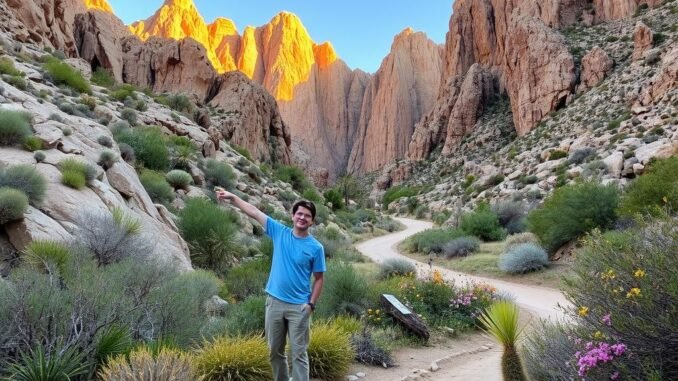
Oswit Canyon is a hidden gem just a short drive from downtown Palm Springs. It covers 114 acres of untouched desert, saved from development. This spot is a rare refuge, tucked away along South Palm Canyon Drive.
This nature reserve is nestled between Tahquitz Canyon and the Indian Canyons. It features rugged cliffs, fan palms, and seasonal waterfalls. The Oswit Canyon Loop Trail offers a quick escape with its calming sounds and stunning views.
Why this serene nature reserve matters to Palm Springs
Oswit Canyon acts as a buffer against wind and floods. It also helps stabilize soils and filter stormwater. The canyon is home to native plants and wildlife, including desert bighorn sheep. It’s a peaceful oasis for both locals and visitors.
Biodiversity, waterfalls, and rugged desert scenery
In spring, the canyon blooms with brittlebush and chuparosa, attracting hummingbirds. After winter storms, waterfalls cascade through the canyon, creating mirrors in the pools. The canyon’s varied landscapes support a wide range of wildlife.
Overview of conservation and community stewardship
Save Oswit Canyon, founded by Jane Garrison, fought to protect the canyon from development. In 2020, they secured the land for preservation with the City of Palm Springs. The Oswit Land Trust now manages the trails and signs, ensuring the canyon remains a natural wonder for future generations.
Quick facts and location for first-time visitors
Oswit Canyon is in south Palm Springs, near South Palm Canyon Drive and Bogert Trail. Look for Oswit Land Trust signs to find the trailhead. Parking is easy along South Palm Canyon Drive, perfect for early or late walks.
This 114-acre preserve was saved in 2020. It’s next to the South Lykken Trail, connecting to other desert paths. To the north is Tahquitz Canyon, and to the south, the Agua Caliente Indian Canyons. An oswit canyon map shows the canyon’s twists and the stream that flows after rain.
The area is a nature reserve with strict rules: no dogs, bikes, e-bikes, or drones. Always carry water and watch the sky for storms. With a map and trail markers, finding your way is easy.
The trails have different surfaces like granite, sand, and packed soil. After rain, small waterfalls may appear, attracting photographers and birders. These sights make oswit canyon a great spot for quiet walks or family hikes during cooler times.
Tip for orientation: The Oswit Canyon Loop Trail starts near the gate. Stay on the signed paths to protect the habitat and enjoy views of the Santa Rosa and San Jacinto foothills.
How to get to the Oswit Canyon Loop Trail
Getting to this desert gem is easy with some planning. This guide covers driving, transit, and ride-share options. It helps you start hiking without any trouble. Always check for any entrance fees or updates before you go.
Driving and parking along South Palm Canyon Drive
Drivers should head south on South Palm Canyon Drive in Palm Springs. You can park along the road near Bogert Trail. Arrive early on weekends and after storms to avoid crowds.
Look for Oswit Land Trust signs to find parking. This makes it simple for first-time visitors.
Public transit via SunLine Route 111
SunLine Transit Agency’s Route 111 goes along South Palm Canyon Drive. Check the schedule and fare before getting off at Bogert Trail. Local tips say it costs $1, but check the latest price.
After getting off the bus, it’s a short walk to the signs. This is a budget-friendly way to get to Oswit Canyon without a car.
Ride-share and taxi tips from downtown Palm Springs
Uber, Lyft, and taxis are easy to find downtown. A taxi ride costs about $15–$20. Confirm the price before you go. Drop-off is near Bogert Trail on South Palm Canyon Drive.
Ride-shares are great for groups. They’re quick and affordable when parking is hard.
Finding the trailhead near Bogert Trail and posted signage
It’s easy to find the trail. Look for Bogert Trail and Oswit Land Trust signs. Follow the path into Oswit Canyon.
This makes it simple for new visitors. Remember to check if there are any entrance fees. Local sources say it’s free, but follow the rules.
Best time to go and desert safety essentials
Clear skies and cool mornings make oswit canyon hiking perfect. Plan your visit when the desert is cooler. This way, you’ll enjoy the scenic views without discomfort.
Cool-season hiking: October through May
October to May is the best time for hiking trails in oswit canyon. The days are mild, and the air is dry. Early mornings or late afternoons are best for fewer crowds.
After winter rains, the canyon blooms with flowers. This adds a fresh scent to your hike.
Always check the weather forecast before heading out. Wind and storms can come up quickly. When it’s clear, enjoy the canyon at your own pace.
Heat awareness, hydration, sun protection, and footwear
Summer heat rises fast. Start early, climb slowly, and rest in the shade. Carry extra water and salty snacks to avoid cramps.
- Hydration: at least one liter per hour in hot weather.
- Sun: broad-spectrum sunscreen, a brimmed hat, and UV sunglasses.
- Footwear: sturdy hiking shoes or boots for rocky steps on hiking trails in oswit canyon.
Be aware of heat stress signs like dizziness or nausea. If you feel these symptoms, head back. These precautions keep your hike safe.
Trail rules: no dogs, bikes, e-bikes, or drones
The loop has strict rules to protect bighorn habitat. No dogs, bikes, e-bikes, or drones are allowed. Stay on marked paths to preserve plants and calm wildlife.
Pack out all trash, yield to uphill hikers, and keep voices low. Following these rules keeps the trails open for everyone.
Oswit Canyon trails and hiking experiences
Winding paths reveal rocky steps, fragrant creosote, and the hush of a desert stream after rain. With an oswit canyon map in hand and the posted signs by Oswit Land Trust, they can match pace to terrain and choose views that fit the day. An oswit canyon guide helps set expectations for time, footing, and shade.
The Loop Trail highlights and terrain
The loop moves past rugged canyon walls and pockets of brittlebush and cholla. After storms, hikers find gentle pools and small waterfalls where seasonal flows slow. Footing is rocky and uneven in places, so sturdy shoes pay off on these hiking trails in oswit canyon.
Short pauses at boulders reveal birdsong and a cool breeze in narrow bends. Wayfinding improves with an up-to-date oswit canyon map, as cell service can fade in the slots.
Connections to the South Lykken Trail
At the canyon’s edge, a spur links to the South Lykken Trail. This turn adds elevation and grand Coachella Valley panoramas for those seeking a longer outing on oswit canyon trails.
They should review an oswit canyon guide before committing to the climb. The junction rewards steady pacing, extra water, and attention to sun exposure.
Family-friendly options and route planning
Families often choose short out-and-back sections near the trailhead to reach shade or a stream crossing. These gentle segments on hiking trails in oswit canyon keep the focus on views, not miles.
Plan with an oswit canyon map, and pick cool hours. Follow posted rules, pack water, and keep routes flexible as conditions change.
| Route choice | Distance (approx.) | Elevation gain | Surface/footing | Highlights | Best for | Prep tips |
|---|---|---|---|---|---|---|
| Loop Trail (full circuit) | 3.5–4.0 miles | 500–650 ft | Rocky, uneven, some steps | Canyon walls, seasonal pools, desert flora | Moderate hikers seeking variety | Sturdy footwear, carry an oswit canyon map, check weather |
| Loop + South Lykken link | 5.0–7.0 miles | 1,200–1,800 ft | Steep grades, exposed sections | Broad valley views, longer ridgeline | Experienced hikers | Use an oswit canyon guide, extra water, sun protection |
| Family out-and-back segment | 1.0–2.0 miles | 100–250 ft | Mixed gravel and rock | Shaded bends, stream features | Families and casual walkers | Start early, simple snacks, follow trail signs on oswit canyon trails |
Wildlife spotting in Oswit Canyon
Wildlife spotting Oswit Canyon is best for those who are patient and quiet. Dawn and dusk are the best times to see animals. The area’s streams and plants attract birds, lizards, and butterflies.
Peninsular bighorn sheep are a highlight in oswit canyon wildlife. It’s important to keep a distance and follow the paths. Rattlesnakes might be found near rocks, so be careful.
Early mornings are filled with bird songs. Late afternoons are great for spotting animal tracks. To see wildlife, avoid using drones, bikes, and loud noises. The Oswit Land Trust works hard to keep the area safe and clean.
For a good visit, bring water and wear sunscreen. Take breaks in open areas to protect the plants. Staying on the paths helps keep the canyon and its wildlife healthy.
- Best windows: dawn and late afternoon for cooler temps and active animals.
- Give space: observe with binoculars; never approach sheep or snakes.
- Quiet steps: keep groups small and voices low to improve sightings.
- Trail ethics: no pets, bikes, or drones to protect oswit canyon wildlife.
Scenic viewpoints and photography spots

Photographers love the light and texture here. The Loop Trail in oswit canyon offers amazing views. It turns simple hikes into stunning photos.
Best views of cliffs, canyon walls, and desert flora
The best spots for views are near mid-loop benches and higher switchbacks. From there, you see towering cliffs and rugged walls. Creosote, brittlebush, and cholla add color and texture.
Short spurs lead to safe spots for tripods. They protect the soil and let you capture wide views. Even quick stops can lead to great photos.
Golden-hour photo tips and respectful distance from wildlife
Sunrise and late afternoon light are perfect for photos. They highlight the rock faces and details. Remember to keep a safe distance from wildlife and avoid drones.
Bring water, sunscreen, and wear good shoes. A polarizer can reduce glare, and a microfiber cloth keeps lenses clean.
Seasonal stream flows and waterfalls after rains
After rain, the canyon floor comes alive. Seasonal streams create pools and waterfalls that shine in soft light. The best views often appear a day or two after rain.
Be careful on wet rocks. Early or late light adds sparkle to waterfalls. It makes hikes into a study of motion and calm.
Cultural and historical significance of the canyon
Oswit Canyon is nestled between desert landmarks, holding deep cultural value in Palm Springs. Its trails weave through an ancient landscape where memories, ceremonies, and nature converge. Guides here start with a deep respect for these connections.
Agua Caliente heritage and sacred landscapes
The Agua Caliente Band of Cahuilla Indians sees this place as a living part of their culture. Springs, rock shelters, and paths form a sacred geography that guides their community. Visitors can learn about preservation and its role in keeping these traditions alive through this oswit canyon guide.
Honor the site by staying on marked paths, avoiding artifacts, and keeping voices low near sensitive areas. These actions help preserve the canyon’s story for future generations.
Place within the greater Palm Springs canyons
Oswit Canyon is nestled between Indian Canyons and Tahquitz Canyon, forming a corridor of revered lands. This setting places it within the city’s broader narrative and the desert’s story. In Palm Springs’ cultural history, its context is as important as its views.
| Location Context | Why It Matters | Visitor Tip |
|---|---|---|
| North of Indian Canyons | Links to long-standing ceremonial and travel routes | Review posted guidance before entering sensitive zones |
| South of Tahquitz Canyon | Shares geology and water sources central to origin stories | Photograph from established overlooks to protect habitat |
| Part of Palm Springs’ canyon network | Reinforces continuity in the cultural history palm springs | Use an updated oswit canyon guide for current access notes |
Conservation story and how it was saved
Locals and visitors came together to protect this desert corridor. They showed that a canyon with cliffs and palm trees could be saved. Today, those who explore oswit canyon walk in a landscape protected by community effort and planning.
From proposed development to preservation
In 2016, plans for hundreds of homes and a flood project threatened the wash and wildlife routes. Jane Garrison organized neighbors and hikers, urging the city to consider the canyon’s ecological value and cultural ties.
Over five years, supporters gathered thousands of signatures, advanced a ballot initiative, and built a strong legal case. Grants and donations later made permanent protection possible, turning risk into a safeguarded nature reserve where people can explore oswit canyon with respect.
Save Oswit Canyon and Oswit Land Trust efforts
Save Oswit Canyon led the charge with the rallying cry “Not One Shovel, Not One House.” In October 2020, the group completed the purchase of 114 acres with help from state and federal funds, the City of Palm Springs, and individual donors.
The effort then shifted to the Oswit Land Trust, which now guides restoration and access. Together, they align trail upkeep, habitat care, and education so oswit canyon activities remain low impact and welcoming to all.
Why ongoing stewardship and sustainable use matter
Pressures from urban growth, invasive plants, and heavy foot traffic are ongoing. Clear rules—stay on marked paths, pack out trash, and give wildlife space—keep the ecosystem healthy for future hikes and photo days.
Volunteer days, signage, and science-based monitoring reinforce these habits. When visitors support the Oswit Land Trust and choose mindful oswit canyon activities, they help Save Oswit Canyon succeed for the long run.
| Milestone | Year | Who Led | What It Achieved | Impact on Visitors |
|---|---|---|---|---|
| Community Mobilization | 2016 | Save Oswit Canyon | Organized residents, petitions, and legal strategy | Built momentum to explore oswit canyon responsibly |
| Acquisition of 114 Acres | 2020 | Save Oswit Canyon with partners | Secured funding from grants, city, and donors | Protected trails and views for low-impact outings |
| Transition to Long-Term Care | 2020–present | Oswit Land Trust | Restoration programs and access management | Clear guidance for safe oswit canyon activities |
| Stewardship and Education | Ongoing | Oswit Land Trust and community | Invasive control, habitat monitoring, visitor outreach | Better trail etiquette and wildlife protection |
Guided experiences and outdoor activities
The Oswit Canyon Loop Trail is perfect for exploring at your own pace. Wayfinding signs from the Oswit Land Trust guide you. Outdoor activities in oswit canyon include short walks and half-day hikes. It’s best to start early, wear sturdy shoes, and carry plenty of water for a safe day out.
Many travelers search for guided tours oswit canyon in Palm Springs. You can find options that include this preserve or nearby canyons. Always check dates, group size, and rules with the tour providers before you go.
Popular oswit canyon activities include watching wildlife and taking photos during the golden hour. This is when the cliffs and desert plants look their best. You can also connect the Loop with the South Lykken Trail for more elevation and views of Palm Springs and the San Jacinto range.
Reserve rules are in place to protect the habitat. No dogs, bikes, e-bikes, or drones are allowed. This means you can walk, observe, and leave no trace, keeping the canyon beautiful for others to enjoy.
Whether you join guided tours oswit canyon or go solo, remember to bring water, sun protection, and a map. The cooler mornings are more comfortable, and the light is perfect for photography. Pacing yourself makes every oswit canyon activity a special canyon adventure without harming the environment.
What’s nearby: trails, gardens, and landmarks
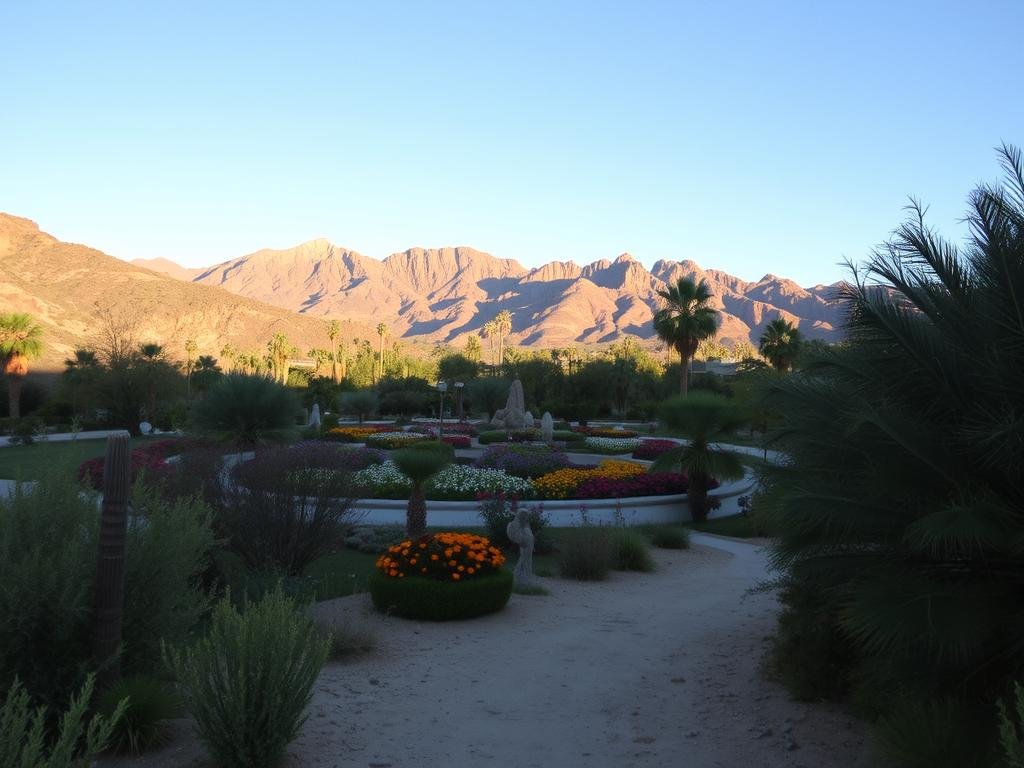
Knowing the oswit canyon location and checking an oswit canyon map helps plan a day. This guide shows trails, gardens, and cultural sites near the best views of oswit canyon.
Adjacent hikes: South Lykken, Palm Canyon, Andreas Canyon, Tahquitz Canyon
South Lykken Trail is right next door, with great views and trails. Palm Canyon has fan palms and a wide wash. Andreas Canyon offers shade and a creek after rains.
Tahquitz Canyon has short climbs to a waterfall. Use an oswit canyon map to plan your visit. This guide helps compare trails and rules.
Local attractions: Moorten Botanical Garden and more
Moorten Botanical Garden has a cactarium, great for a visit before or after hiking. Nearby, Indian Canyons Golf Resort and DeMuth Park offer calm spots. The Tahquitz Creek Footbridge and Trail is perfect for families.
The Agua Caliente Tahquitz Visitor Center shares history and geology. Sunny Dunes Antique Mall is a short drive away. This guide helps make a loop around oswit canyon.
Architecture and cultural stops around Palm Springs
The Palm Springs Art Museum and the Palm Springs Historical Society show the city’s style. You can see the Cornelia White House and the Annenberg Theater. Don’t miss the Palm Springs Convention Center and statues of Sonny Bono and Gene Autry.
Midcentury fans will love The Saguaro Palm Springs and the Twin Palms Frank Sinatra Estate. The Modern Tour – Palm Springs and the Maurice Smith and Dinah Shore House are also must-sees. Use an oswit canyon map to plan your visit. Catch the sunset for the best views of oswit canyon.
Conclusion
Oswit Canyon is a unique spot in Palm Springs. It has rugged cliffs, seasonal water, and quiet trails. In 2020, Save Oswit Canyon protected 114 acres from development.
Today, visitors can enjoy hiking in oswit canyon. They can learn about tribal heritage and help protect wildlife. It’s important to follow the rules posted along the trails.
For a great hike, try the Loop Trail and connect to the South Lykken Trail. You’ll see amazing views. The best time to visit is from October to May.
Remember to start early or late. Bring lots of water and wear sunscreen. Wear sturdy shoes for the rocky paths.
Being careful with the trails helps preserve oswit canyon. It’s part of a larger plan to keep Palm Springs beautiful. Nearby gardens and landmarks add to the experience.
Oswit canyon is more than a place to hike. It shows how conservation and outdoor access can work together. Exploring oswit canyon helps teach future generations about desert ecology.
FAQ
Why does Oswit Canyon matter to Palm Springs?
Oswit Canyon is a peaceful nature reserve in south Palm Springs. It protects rare plants and animals, keeps the soil stable, and ensures clean water. It offers a natural escape close to the city with its rugged cliffs, streams, and quiet trails.
What scenery and features can visitors expect?
Hikers will see towering canyon walls, desert plants, and calm streambeds. After rains, seasonal cascades and small waterfalls add sound and movement to the desert.
How has the community helped conserve the canyon?
Save Oswit Canyon worked hard to stop housing development. They gathered thousands of signatures, raised funds, and fought in court. In 2020, they bought 114 acres for forever protection, handing it over to Oswit Land Trust.
Where is Oswit Canyon located?
Oswit Canyon is in south Palm Springs, along South Palm Canyon Drive near Bogert Trail. It’s next to Canyon Heights neighborhood, north of Agua Caliente Indian Canyons, and south of Tahquitz Canyon.
How do you drive and park for the Oswit Canyon Loop Trail?
Drive to South Palm Canyon Drive and find Bogert Trail. You can park on the street. Follow Oswit Land Trust signs to the trailhead.
Is there public transit to the trailhead?
Yes. SunLine Transit Agency Route 111 goes along South Palm Canyon Drive. Check the schedule and fares, then walk to Bogert Trail to find the entry.
Are taxis and ride-shares convenient?
Uber, Lyft, and local taxis are available in Palm Springs. A taxi ride from downtown to the trailhead costs about –. Confirm the price before you go.
How do I find the exact trailhead?
On South Palm Canyon Drive, look for Bogert Trail and Oswit Land Trust signs. A clear path leads into Oswit Canyon and the Loop Trail.
When is the best time to hike Oswit Canyon?
Hike from October to May for cooler weather. Start early or late to avoid the heat and enjoy the light.
What safety essentials should hikers bring?
Bring lots of water, snacks, sunscreen, and a hat. Wear sturdy shoes for rocky paths. Check the weather, pace yourself, and rest in the shade.
What are the trail rules inside the nature reserve?
The reserve bans dogs, bikes, e-bikes, and drones to protect wildlife. Stay on trails, respect signs, and follow Leave No Trace.
What is the Oswit Canyon Loop Trail like?
The loop shows off rugged walls, desert plants, and streams. It’s rocky, so wear good shoes.
Can hikers connect to other trails?
Yes. The canyon borders the South Lykken Trail. This lets hikers explore more and see the Coachella Valley.
Is the loop suitable for families and casual hikers?
Families can enjoy shorter walks to shaded spots or streams. Bring water, rest when needed, and check a map before going.
What wildlife might be seen in Oswit Canyon?
Look for migratory birds and desert animals, including endangered Peninsular bighorn sheep. Watch quietly and don’t disturb their homes.
Where are the best views for photography?
Find spots along the loop with cliffs, canyon walls, and desert plants. Golden-hour light makes everything look great.
Any photography tips for golden hour and wildlife?
Arrive early or late for soft light. Keep a distance from wildlife and avoid drones. Be careful near rocks and water.
Do waterfalls flow year-round?
No. Waterfalls appear after winter storms or spring rains. Visit soon after rain for the best views.
What is the cultural significance of Oswit Canyon?
The canyon is sacred to the Agua Caliente Band of Cahuilla Indians. It’s part of a larger cultural network.
How does Oswit Canyon fit within Palm Springs canyons?
It’s at the south end of Palm Springs canyons. It offers a quieter, habitat-focused experience near famous sites.
How was Oswit Canyon saved from development?
Save Oswit Canyon fought plans for hundreds of homes. They gathered signatures, raised funds, and went to court. In 2020, they bought 114 acres for protection.
Who manages the preserve today?
Oswit Land Trust manages the canyon. They have signs, protect habitats, and offer education. They work with public agencies and donors.
Why does ongoing stewardship matter?
It protects endangered species, fights invasive plants, and keeps trails good. Visitor rules help keep the canyon healthy for the future.
Are guided tours available?
Yes. Self-guided hikes are common. Guided tours might be offered in Palm Springs. Check with providers before you go.
What outdoor activities are recommended?
Hike the Oswit Canyon Loop Trail, spot wildlife, take photos, and explore with the South Lykken Trail. Follow the rules.
What other hikes are nearby?
Try South Lykken, Palm Canyon, Andreas Canyon, and Tahquitz Canyon. They’re close for easy day trips.
Which local attractions pair well with an Oswit Canyon visit?
Visit Moorten Botanical Garden, Indian Canyons Golf Resort, DeMuth Park, and the Tahquitz Creek Footbridge. The Agua Caliente Tahquitz Visitor Center is also close.
What architecture and culture stops are within reach?
Explore the Palm Springs Art Museum, Palm Springs Historical Society, Cornelia White House, and Annenberg Theater. See midcentury modern icons like The Saguaro Palm Springs. Architecture tours are popular.
Where exactly is the Oswit Canyon location and trailhead?
Oswit Canyon is on South Palm Canyon Drive near Bogert Trail in south Palm Springs. Look for Oswit Land Trust signs to find the trailhead.
Is there an Oswit Canyon map or entrance fee?
Check an Oswit Canyon map or reliable digital maps before hiking. There might be an entrance fee. Check official sources for details.
What wildlife etiquette should hikers follow?
Be quiet, keep distance from wildlife, and stay on trails. No drones, pets, bikes, or e-bikes to protect habitats.
How can travelers best explore Oswit Canyon on a first visit?
Start early, bring lots of water, and wear sturdy shoes. Follow signs and enjoy the views near streams at your own pace.
Be the first to comment